Saint-Louis in context: why this island city rewards a longer stay
Saint-Louis sits on a narrow island in the Sénégal River, facing the Atlantic and the Barbarie peninsula like a poised outpost between river and sea. The city was once the capital of French West Africa, and any serious Saint-Louis Senegal heritage travel guide should treat it as a layered stage where colonial architecture, fishing life and jazz still share the same streets. Stay more than one night in a heritage hotel and you will find that the rhythm of the tides, the call to prayer and the clatter of horse carts slowly replace the noise of Dakar in your memory.
The historic core of Saint-Louis is a UNESCO World Heritage site, protected not as a frozen postcard but as a living urban fabric where families, schools and small workshops still occupy colonial houses. This status as a UNESCO heritage site shapes everything from how façades are repainted to how new luxury hotel projects are approved, and it explains why the best properties here feel more like carefully restored townhouses than anonymous towers. Any refined travel guide to this city should help you read those layers, from the French era grid of streets to the Senegalese markets that spill across the bridges toward the mainland.
Saint-Louis is located about 265 kilometres north of Dakar, and the drive along the coast or through the interior gives you a first sense of how the Sénégal River once structured trade across West Africa.5 Many travelers now pair a stay in Saint-Louis with time in the nearby Parc National des Oiseaux du Djoudj, a bird sanctuary of global importance, or with the Langue de Barbarie National Park further south along the Barbarie peninsula. For luxury guests using a premium hotel booking platform or a specialist travel advisor in Sénégal, this historic river port becomes a strategic base where you can combine heritage site exploration, national park excursions and evenings of jazz without changing hotels every night.
Reading the Faidherbe Bridge and the colonial architecture around it
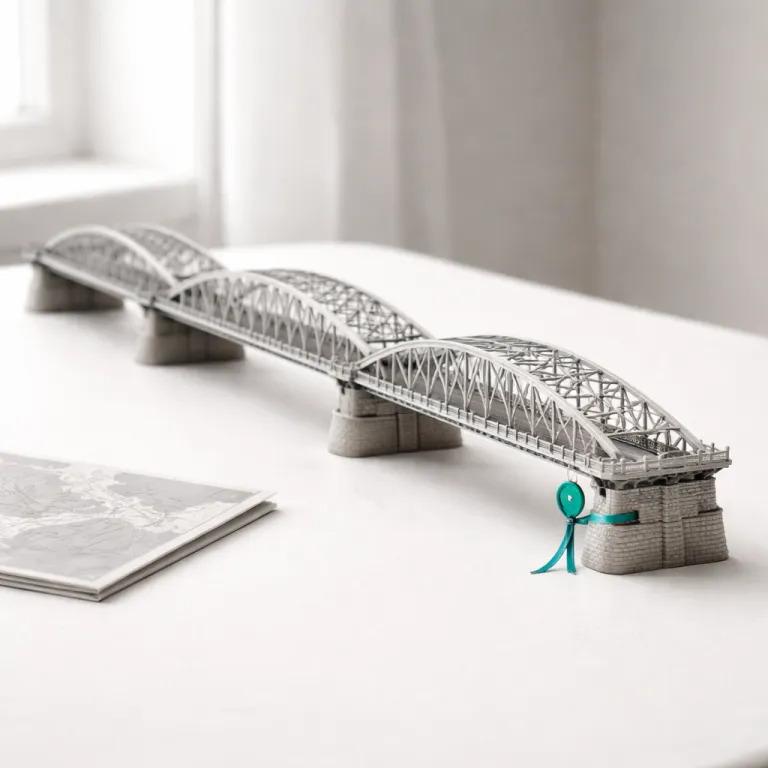
The Faidherbe Bridge is the obvious starting point for any Saint-Louis Senegal heritage travel guide, yet most visitors simply walk across it once for the view. In reality this metal structure, 507.35 metres long and 10.5 metres wide, is the hinge that turned an isolated island into a regional city by connecting Saint-Louis island to the mainland.1 It was designed and built by the French engineering firm Nouguier, Kessler et Cie using riveted steel girders, and its rotating span still hints at the era when ships needed to pass upriver toward the interior of Sénégal.1
Local guides like to remind guests that Louis Faidherbe, the French governor who initiated the bridge project, saw it as a tool to boost trade and tighten control over what was then a colonial outpost. The official record notes that “Nouguier, Kessler et Cie designed and built it” and that “the significance of the rotating span is that it allows ships to pass through”; these details matter because they explain why the bridge feels more like an industrial sculpture than a simple crossing.1 When you stand midway, with the Sénégal River sliding beneath and the colonial architecture of Saint-Louis rising on both banks, you understand how infrastructure and empire intertwined in this part of West Africa.
On the island side, walk from the bridge toward Quai Roume, where you will find some of the most photogenic colonial buildings in the city. Many of these houses now host a hotel, a restaurant or a gallery, and the best luxury properties respect the original proportions while upgrading bathrooms, bedding and climate control. For travelers who have already explored Gorée Island and its guesthouses using guides such as this in depth look at where to sleep, eat and watch the light change, Saint-Louis offers a different, more urban expression of colonial architecture, with wider streets, more varied façades and a stronger connection to the working port.
Staying in style: heritage hotels, room categories and real costs in CFA
Luxury in Saint-Louis is subtle rather than showy, and the most interesting hotel options are often located inside restored colonial houses along the island’s main arteries. Properties such as Hôtel de la Poste and La Résidence have become reference points for any serious Saint-Louis Senegal heritage travel guide, because they balance preservation with comfort in a way that respects both the UNESCO heritage rules and contemporary expectations. You will find creaking staircases, high ceilings and shuttered windows, but also reliable air conditioning, good mattresses and attentive service shaped by Senegalese teranga.
Room rates in Saint-Louis vary widely, with simple doubles in characterful properties sometimes starting at around 25,000–35,000 West African CFA francs (XOF) and larger suites with river views commanding a higher cost in CFA that still feels reasonable compared with Dakar.2 These sample figures are based on recent online listings and direct hotel quotes; always confirm current prices for your dates. When you book through a curated luxury or premium hotel platform focused on Sénégal, or directly with the property, look for clear information on what is included in the starting CFA rate, especially breakfast, airport transfers and guided excursions to the Langue de Barbarie or Djoudj bird sanctuary. A good travel guide will also flag which hotels are located directly on the island, which sit across the Faidherbe Bridge on the mainland and which hide in quieter streets near Guet Ndar, because location shapes your daily experience as much as room size.
Most heritage properties in this city offer a mix of room categories, from compact doubles for solo explorers to larger suites suitable for longer stays or remote work. Some hotels integrate a serious restaurant that draws local residents as well as guests, serving refined takes on Senegalese classics alongside French influenced dishes, while others keep things simple and rely on nearby dining options. For travelers planning a multi stop itinerary across West Africa, it often makes sense to allocate a slightly higher budget in CFA to Saint-Louis, because the right hotel on the island becomes both your base for national park excursions and your front row seat on the city’s evolving cultural life.
Langue de Barbarie, Guet Ndar and the fragile edge of the heritage landscape
South of the island, the Langue de Barbarie stretches as a long sand spit between the Sénégal River and the Atlantic, forming both a national park and a fragile barrier that shapes the city’s microclimate. Any honest Saint-Louis Senegal heritage travel guide should acknowledge that this Langue de Barbarie is under pressure from erosion, rising sea levels and human intervention, and that the very beaches visitors walk today may look different in a decade.3 When you book a hotel that offers excursions to the Langue de Barbarie National Park, ask how they work with local guides and conservation teams, because responsible tourism here is not a slogan but a necessity.
The Guet Ndar quarter, located on the ocean side of the Barbarie peninsula just across from the island, is where the fishing heart of Saint-Louis beats loudest. At dawn you will find hundreds of pirogues returning through the surf, and the narrow streets behind the beach become a living theatre of fish auctions, repairs and family life that no curated travel guide can fully capture. Luxury travelers staying in colonial hotels on the island can walk or take a short taxi across the Faidherbe Bridge to Guet Ndar, but should dress modestly, ask before taking photos and consider hiring a local guide whose fee in CFA directly supports the community.
Further south along the Langue de Barbarie, the Parc National de la Langue de Barbarie protects sand dunes, mangroves and a bird sanctuary that attracts migratory species from across West Africa and Europe. Some eco focused lodges and day trip operators offer boat excursions on the lower Sénégal River, where you will find pelicans, terns and sometimes flamingos feeding in the shallows. When comparing offers, look beyond the starting CFA price and ask about group size, guide qualifications, safety equipment and whether part of the cost in CFA goes to park management, because this is where a luxury mindset aligns with long term preservation of the heritage site.
Jazz, language and everyday culture: how Saint-Louis sounds after dark
Saint-Louis has long been nicknamed the New Orleans of Africa, and any Saint-Louis Senegal heritage travel guide that ignores its jazz legacy misses half the story. The annual jazz festival, typically held in late April or May, turns the city into an open air stage, with concerts on Quai Roume, impromptu jam sessions in courtyards and hotel bars hosting late night sets that blur the line between guests and musicians.4 Even outside the festival period, you will find smaller venues and cultural centres where Senegalese bands mix jazz, mbalax and Afrobeat for an audience that blends locals, students and travelers.
Language is another layer of the city’s charm, with French used in administration and many hotels, Wolof and Pulaar heard in markets, and English increasingly present in menus and travel guide materials. Some luxury properties now offer short language introductions, helping guests pick up basic Wolof greetings or understand the meaning of place names such as Langue de Barbarie or Guet Ndar, which deepens your connection to the city beyond the usual tourist script. When you choose a hotel, look for teams that include local staff from Saint-Louis and the surrounding région, because they are the ones who can point you toward a family run restaurant, a discreet music bar or a national holiday celebration that rarely appears in standard brochures.
Evenings on the island often start with an apéritif on a rooftop terrace overlooking the Sénégal River, where you will find the Faidherbe Bridge lit in soft colours and pirogues sliding beneath. From there, guests drift toward restaurants that reinterpret Senegalese classics such as thiéboudienne, yassa or pastels, sometimes with French techniques and wine pairings that reflect the city’s colonial history. For solo travelers, this is where staying in a well run heritage hotel pays off, because staff can introduce you to other guests, suggest safe walking routes after dark and arrange a taxi back from Guet Ndar or the mainland if a late concert runs past midnight.
Planning your stay: durations, seasons and pairing Saint-Louis with national parks
For a first visit, a serious Saint-Louis Senegal heritage travel guide will rarely recommend less than three nights on the island, because the city reveals itself slowly. One full day should be dedicated to the historic core, from the Faidherbe Bridge and Quai Roume to the quieter backstreets where colonial architecture shows its age in peeling paint and ornate balconies, while another day focuses on Guet Ndar and the Langue de Barbarie. A third day allows for a long excursion to either the Djoudj bird sanctuary or the Parc National de la Langue de Barbarie, both of which showcase the ecological richness that underpins the city’s history as a river port.
The dry season, roughly from November to May, is generally the most comfortable period for walking tours and national park visits, with cooler nights and clearer skies over the Sénégal River. Many luxury travelers plan their trip around the jazz festival or other cultural events, but there is a strong case for coming slightly off peak, when hotel rates in CFA may be more flexible and guides have more time for in depth conversations. For detailed ideas on how to structure a dry season itinerary across Sénégal, including Saint-Louis and other regions, resources such as this guide to late dry season adventures can help you connect the dots between coast, desert and river.
Combining Saint-Louis with other destinations in West Africa often means flying into Dakar, spending a night or two in the capital, then driving or taking a private transfer north along the coast. Some travelers continue from Saint-Louis toward Mauritania or inland toward the Ferlo, but for most, the logical pairing is with national parks such as Djoudj or the Langue de Barbarie, where the cost in CFA for guided excursions remains accessible. When booking through a premium hotel platform or a trusted local agency focused on Sénégal, look for packages that clearly outline what is included in the starting CFA price, from park entrance fees to boat rides, so that your heritage site visits remain as seamless as your nights in the city’s most characterful hotels.
Insider booking strategies for luxury and premium stays in Saint-Louis
Choosing the right hotel in Saint-Louis is less about star ratings and more about how each property interprets its colonial shell, its relationship to the Sénégal River and its ties to the local community. A thoughtful Saint-Louis Senegal heritage travel guide will encourage you to read between the lines of online listings, asking whether the hotel is located directly on the island, on the mainland across the Faidherbe Bridge or along the Barbarie peninsula, because each option shapes your daily movements. Island based hotels offer immediate access to the UNESCO heritage streets and restaurants, while mainland properties may provide quieter nights and easier parking for self drive travelers coming from Dakar.
When comparing options on a luxury or premium hotel booking website in Sénégal, or via a specialist agent, pay attention to how each property describes its staff, its sourcing and its partnerships with guides in places like Guet Ndar or the Langue de Barbarie National Park. Hotels that highlight local recruitment, training and collaboration with national park authorities tend to offer more meaningful excursions, whether to the Djoudj bird sanctuary, the Parc National de la Langue de Barbarie or lesser known stretches of the Sénégal River. Ask specific questions before confirming, such as whether the cost in CFA for a proposed outing includes park fees, tips and transport, and whether the starting CFA rate for your room changes during major events like the jazz festival.
Finally, consider how your stay in Saint-Louis fits into a broader narrative of travel across West Africa, especially if you are combining Dakar, Gorée Island and other heritage sites in Sénégal. Some travelers prefer to book a single high end property on the island and use it as a base for multiple day trips, while others split their time between a colonial era hotel in the city and a more rustic lodge closer to the Langue de Barbarie or other national parks. Either way, a clear sense of your priorities — architecture, music, birdwatching, gastronomy — will help you choose the hotel, the quartier and the experiences that turn a simple city break into a deeply textured journey through the layers of Saint-Louis.
Key figures for heritage travelers in Saint-Louis
- The Faidherbe Bridge measures 507.35 metres in length and 10.5 metres in width, with eight spans, making it one of the most distinctive metal crossings in Sénégal and a central axis for movement between the island and the mainland.1
- The rotating span of the Faidherbe Bridge was engineered to allow ships to pass along the Sénégal River, reflecting the late nineteenth century priority of maintaining river trade routes deep into West Africa.1
- Major rehabilitation works on the Faidherbe Bridge took place between 2008 and 2011, ensuring that this emblematic structure could continue to serve both everyday traffic and heritage tourism safely.1
- Saint-Louis lies roughly 265 kilometres north of Dakar by road, a distance that typically translates into a four to five hour drive depending on traffic and road conditions; shared taxis, private transfers and buses all serve this route.5
- Room rates in heritage hotels on the island often start at a few tens of thousands of West African CFA francs (XOF) per night, with higher categories and river view suites commanding a greater cost in CFA during peak periods such as the jazz festival; always verify current tariffs before booking.2
FAQ about heritage travel and hotel stays in Saint-Louis
How many days should I plan for a heritage focused stay in Saint-Louis ?
Most heritage travelers should plan at least three nights in Saint-Louis to balance city exploration with excursions. One full day can be devoted to the island’s UNESCO heritage streets and the Faidherbe Bridge, while another covers Guet Ndar and the Langue de Barbarie. A third day allows time for a trip to a nearby national park such as Djoudj or the Parc National de la Langue de Barbarie.
What is the best season to visit Saint-Louis for cultural and nature experiences ?
The dry season, from roughly November to May, offers the most comfortable conditions for walking tours and national park visits around Saint-Louis. Temperatures are more moderate, roads to sites like the Djoudj bird sanctuary are usually more reliable and visibility for birdwatching on the Sénégal River is often excellent. Cultural events such as the jazz festival also tend to fall within this broader dry period.
How does UNESCO heritage status affect hotel development on the island ?
Because the historic core of Saint-Louis is a UNESCO heritage site, any new hotel or major renovation must respect strict guidelines on façades, building heights and materials. This tends to favour the restoration of existing colonial houses rather than new construction, which is why many hotels occupy former residences or trading houses. For guests, this means more characterful stays but also occasional quirks such as uneven staircases or non standard room layouts.
Is it easy to combine Saint-Louis with visits to nearby national parks ?
Saint-Louis is an excellent base for visiting nearby protected areas such as the Djoudj bird sanctuary and the Parc National de la Langue de Barbarie. Many hotels on the island and along the Barbarie peninsula can arrange guided excursions that include transport, park entrance and boat trips on the Sénégal River. Booking these outings through your hotel or a trusted operator helps ensure that part of the cost in CFA supports conservation and local guides.
What should I know about crossing the Faidherbe Bridge as a pedestrian or driver ?
The Faidherbe Bridge remains the main link between the island of Saint-Louis and the mainland, and it carries both vehicles and pedestrians. Traffic can be dense at peak hours, so drivers should be patient and respect local patterns, while walkers should use the designated sidewalks and be mindful of bicycles and carts. The bridge is lit at night and considered safe to cross; many visitors choose to walk at least once to appreciate views of the Sénégal River and the colonial architecture on both banks.
Sources and notes: 1. Dimensions, spans, builder and rehabilitation dates for the Faidherbe Bridge are drawn from official Senegalese infrastructure and UNESCO World Heritage documentation. 2. Sample nightly rate ranges in West African CFA francs (XOF) are based on recent listings from mid range and upscale heritage hotels in Saint-Louis and direct enquiries made within the last travel season; actual prices vary by season, demand and availability. 3. Information on erosion and coastal change along the Langue de Barbarie reflects studies cited by UNESCO and Senegalese environmental agencies. 4. Typical timing of the Saint-Louis Jazz Festival is based on recent editions; travelers should confirm exact dates before booking. 5. Distance and average driving time between Dakar and Saint-Louis are approximate and depend on route and road conditions, as indicated in national road planning documents and traveler reports.