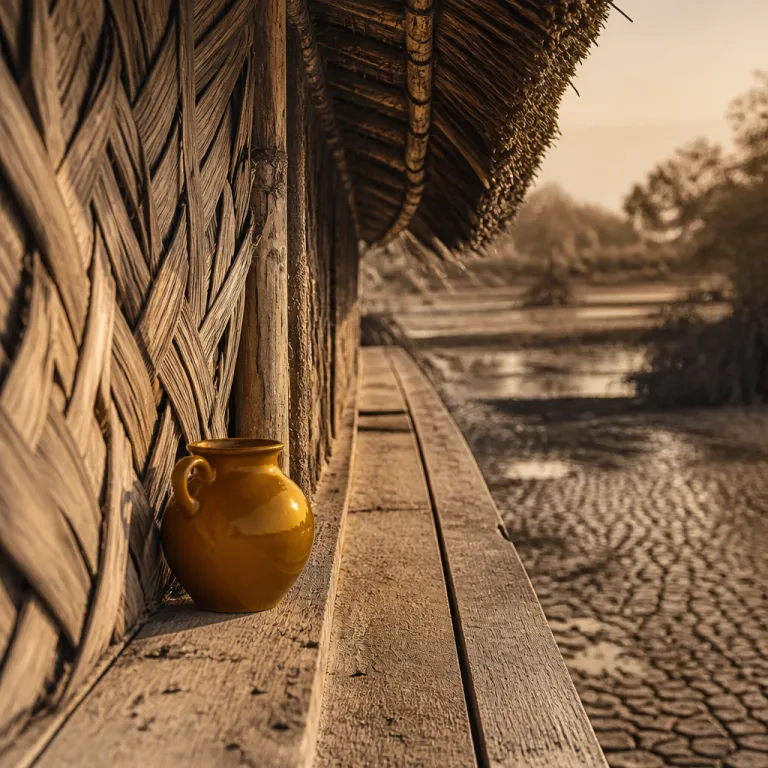
Sine-Saloum eco lodge Senegal community: where the delta leads
South of Dakar, where paved roads thin out and salt pans begin, the Sine-Saloum Delta opens into one of Senegal’s most distinctive landscapes. Recognised by UNESCO as a Biosphere Reserve and Ramsar wetland (but not currently listed as a World Heritage Site), this maze of islands and mangrove channels shelters well over 200 recorded bird species, according to UNESCO and Senegal’s protected areas agency, and a growing network of community-based eco lodges. Here, luxury means time, silence and a highly personal connection to place rather than polished city hotels.
Spread across a labyrinth of islands, the Saloum Delta forms a protected wetland where herons, pelicans and flamingos move through the light, while traditional Serer villages sit on slightly raised collines that stay dry at high tide. For a solo traveler, the experience is both intensely natural and surprisingly social, because every lodge is woven into village rhythms and the wider eco tourism community of the region.
Think of the delta as a slow unfolding rather than a single picturesque viewpoint. You travel by pirogue between islands, passing oyster collectors and children heading to school by boat, and each stop reveals another layer of the Sine-Saloum eco lodge scene. The water is brackish, the air salted, and the sense of distance from Senegal’s coastal cities such as Dakar and Saly is part of the appeal.
Community-run properties such as Keur Bamboung on Sipo Island or Ecolodge de Simal on the riverfront show how an eco-focused lodge can feel both simple and quietly refined. Rooms are often built from local laterite stone and thatch, with solar panels replacing the usual grid electricity. Night falls early, and the absence of noise feels like a luxury that most Dakar hotels, even the best boutique addresses, cannot buy.
Across the region, operators like Bégué Lodge on Dionewar Island or Kinkeliba Lodge and Essamaye Lodge on Mar Lodj Island share a similar philosophy. They keep footprints light, channel revenue into conservation and treat guests as temporary neighbours rather than passing clients. For travelers used to polished urban hotels, this is a different kind of comfort, rooted in community rather than marble.
The network of eco lodges also stretches toward the forest edge at Fathala Reserve Lodge, where luxury tents sit inside a protected park of roughly 6,000 hectares, according to figures published by the reserve. Here the focus shifts from mangroves to savannah, yet the same eco principles apply, from solar energy to controlled vehicle access. It is one of the few places in Senegal where you can wake to antelope outside your canvas walls, then end the day with a pirogue ride back into the Saloum channels.
How community lodges in Sine-Saloum actually work
Behind the calm surface of the delta, community-based lodges run on carefully negotiated partnerships. Many operate under agreements where local associations or village collectives hold a stake in the lodge, while external managers handle bookings and operations. This structure keeps decision making close to the people who live with the consequences of tourism every day.
Revenue allocation is usually transparent, with a defined percentage flowing into conservation funds and village projects such as wells, schools or small health posts. At Keur Bamboung, for example, lodge documents describe a model where a fixed share of turnover supports the surrounding marine protected area through patrols and mangrove monitoring. When you pay for your room, you are also paying for the right of fish stocks and bird habitats to recover.
Community lodges in the Saloum Delta typically employ almost exclusively from nearby villages, which anchors skills and salaries in the region. Staff learn hospitality, guiding and maintenance on site, then pass that knowledge to younger relatives, creating a quiet but powerful training pipeline. As one long-time guide in the Sine Saloum put it, “The lodge is our school and our employer at the same time.”
Daily operations lean into eco solutions rather than diesel-powered convenience. Solar panels handle lighting and basic power needs, rainwater harvesting and filtration reduce pressure on wells, and waste is sorted, composted or transported out of the park when necessary. These systems are not decorative; they are the backbone of a model that aims to keep the natural environment functioning.
Guests are not passive observers in this community-driven lodge network. Many properties invite travelers to join mangrove planting sessions, accompany rangers on low-impact patrols or sit in on village meetings about tourism priorities. The message is clear: sustainable travel here is a shared responsibility, not a marketing line.
For travelers tracking how sustainability rules are reshaping hospitality, the delta offers a living case study that complements broader analyses of how green mandates are rewriting Senegalese hospitality. What you see in Sine-Saloum is policy translated into pirogue schedules, solar batteries and community budgets. It is sustainability reduced to the level of who gets paid, who decides and which trees stay standing.
What the eco lodge experience feels like on the ground
Arriving at a Sine-Saloum eco lodge property starts long before you see your room. The last stretch is almost always by pirogue, luggage tucked under a tarp as you weave through mangrove corridors. The air cools, the engine cuts, and suddenly you hear only birds and the soft slap of water on wood.
Most lodges in this region sit off the national electricity grid, which shapes the rhythm of each day. Solar power charges batteries for lights and fans, while evenings unfold under lanterns and an extravagant canopy of stars. If you are used to the constant hum of Dakar or other Senegalese cities, the quiet feels almost theatrical at first, then deeply calming.
Rooms are simple but carefully considered, with mosquito nets, natural ventilation and often a view straight onto the delta. You might wake to fishermen checking their nets at dawn, or to the call of a muezzin drifting across the water from another island. Luxury here is the feeling of being held by the landscape rather than insulated from it.
Communal dining is central to the Saloum eco lodge ethos. Long tables bring together solo travelers, families and guides over grilled fish, millet couscous and the occasional plate of thiéboudienne cooked by a neighbour. Conversations stretch late, and it is not the pool terrace, but the thiéboudienne the family next door invites you to share that you remember.
Days fill easily without a formal spa or city-style entertainment program. Activities include kayaking, bird-watching and cultural tours. You might paddle through narrow creeks at high tide, walk across exposed sandbanks at low tide or visit a Serer shrine on a shaded colline above the village.
For travelers comparing coastal eco stays, the Sine-Saloum Delta offers a more immersive alternative to the Atlantic-facing properties often highlighted in guides to Senegal eco luxury hotels and sustainable elegance along the coast. Here the line between lodge and village is intentionally thin, and the natural environment dictates the schedule. It is a setting that rewards patience, curiosity and a willingness to go without constant connectivity.
From Dakar to the delta: how to reach Sine-Saloum
Getting from Dakar to the Saloum Delta is part of the story. The overland route south traces the Petite Côte past Saly, then turns inland toward Fatick and Foundiougne, where the landscape flattens and salt pans begin to appear. Road conditions vary, but a private transfer or lodge-arranged driver keeps the journey comfortable.
Most travelers break the trip into two stages, especially when coming from international flights landing in Dakar. First, a two- to four-hour drive to a mainland jetty such as Ndangane or Toubacouta, depending on which part of the delta you are heading toward. Then a pirogue transfer of 20 to 60 minutes carries you across to islands like Mar Lodj, Dionewar or Sipo.
From Saly, the road leg shortens, making the delta an appealing extension to a coastal stay. Some lodges coordinate shared transfers, which can be a cost-effective option for solo travelers while still feeling highly comfortable. It is worth asking your chosen lodge about timing, because pirogue departures depend on tides and daylight.
Within the region, movement between islands is almost entirely by boat, which reinforces the sense of being in a water-based park. You might travel from Bégué Lodge to Kinkeliba Lodge or Hakuna Lodge on Mar Lodj by hopping onto a local pirogue, sharing space with villagers and market goods. The journey becomes another layer of your experience rather than dead time between hotels.
Travelers planning multi-stop itineraries across Senegal often pair the Saloum Delta with Saint Louis or Casamance. Each region offers a different expression of the country’s natural and cultural diversity, from colonial facades to dense mangroves. When new air routes and visa policies shift, access to these remote areas can subtly improve.
Once in the delta, movement slows to walking pace, which suits the environment. Paths between lodge and village are short, and distances are measured in minutes rather than kilometres, but tides and heat still shape your schedule. It is wise to arrive with flexible timing and a willingness to let the water decide when you move.
Seasonality, wildlife and the rhythm of the delta
The Saloum eco lodge community lives by two main seasons rather than four. From roughly November to May, the dry season brings clearer skies, lower humidity and easier road conditions from Dakar and Saly. This is when many travelers first fall for the region, because days feel long and light, with temperatures that suit extended pirogue outings.
Wet season, usually from June to October, transforms the delta into a softer, greener landscape. Mangroves flush with new growth, and afternoon storms roll in dramatically before clearing to reveal luminous sunsets. Birdlife is intense in both periods, but certain migratory species peak in the cooler months, making that window particularly attractive for serious birdwatchers.
With more than 200 bird species recorded in the region, according to UNESCO and lodge-based monitoring projects, the delta is one of Senegal’s most important avian habitats. You can expect to see egrets, herons, terns and sometimes flamingos feeding in the shallows, while ospreys and kites patrol overhead. Early morning and late afternoon outings by pirogue or kayak offer the best light and the quietest conditions.
Seasonality also shapes village life, which in turn shapes the eco lodge experience. During planting and harvest periods, fields on the collines behind villages are busy, and you may find more activity away from the water. In the leaner months, fishing and shellfish collection dominate, and the mangroves become the main workplace.
For travelers, the choice between seasons is less about right or wrong and more about preference. Dry season offers easier logistics and slightly cooler nights, while wet season brings fewer visitors, richer colours and a more intimate feel at many lodges. Either way, the natural cycles of the delta remain the main attraction.
Wildlife beyond birds is subtle but present, especially if you extend your stay to places like Fathala Reserve Lodge on the edge of the region. There, a protected area of around 6,000 hectares shelters antelope and other savannah species, complementing the mangrove and marine life of the core Saloum Delta. It is a reminder that this part of Senegal holds multiple ecosystems within a relatively compact area.
Sustainable travel, community models and how to choose your lodge
Not every property using the word eco in Senegal operates with the same depth of commitment. The Saloum Delta includes both community-owned lodges and privately owned eco-focused properties, and the differences matter if you care where your money goes. Asking a few precise questions before booking helps you read between the lines.
Community lodges usually have formal agreements with village associations, clear revenue-sharing mechanisms and a governance structure that includes local voices. Private eco lodges may invest in solar power, waste management and conservation projects, but ownership and profit distribution remain in fewer hands. Both models can be positive, yet only one guarantees that decision-making power stays rooted in the region.
When you research options, look for specifics rather than slogans. Does the lodge publish how much of each night’s stay supports conservation or community projects? Are there concrete examples, such as funding for schools, wells or mangrove restoration, rather than vague references to giving back? Transparency is a strong indicator of genuine engagement.
On the ground, sustainable practice shows up in small details that shape your experience. Refillable glass bottles instead of single-use plastic, locally sourced fish and vegetables, and buildings that sit lightly on the collines rather than dominating the skyline all signal thoughtful design. You feel the difference in how staff talk about their work and their environment.
For solo travelers, the Saloum eco lodge circuit offers an especially rewarding balance between independence and connection. You can move at your own pace, yet shared meals, guided walks and village visits make it easy to engage meaningfully with local life. Safety feels organic, built on relationships rather than security hardware.
As you compare lodges across Senegal, from the Atlantic coast to the Saloum Delta and the Collines Niassam area, keep one question in mind: does this place treat the natural environment and the community as assets to be protected, or as scenery to be used? In Sine-Saloum’s best lodges, the answer is obvious the moment you step off the pirogue. The landscape feels cared for, and you are invited to care for it too.
Contextualising Sine-Saloum within Senegal’s wider travel landscape
The Saloum Delta lodge community does not exist in isolation from the rest of the country. It sits within a broader shift in Senegalese hospitality, where travelers are looking beyond Dakar’s urban hotels toward experiences that feel rooted in place. This trend is reshaping how properties position themselves from the Petite Côte to Saint Louis.
In the capital, a new generation of intimate properties has emerged, often described as boutique hotels, yet the most interesting ones borrow ideas from the delta. They prioritise local materials, smaller footprints and neighbourhood partnerships, even if they operate far from the mangroves. The language of eco responsibility is no longer confined to remote lodges.
Across other regions, from the Collines Niassam area to the Casamance, you see similar experiments in community involvement. Some lodges near Collines Niassam work closely with Serer and Fulani communities, while others in Casamance adapt the model to Diola villages and rice fields. The core idea remains the same: tourism should reinforce, not erode, local ways of life.
For travelers planning multi-stop itineraries, this means you can thread a consistent sustainable travel ethic through very different landscapes. A week might start in Dakar, continue through the Saloum Delta, then end in the colonial streets of Saint Louis or the forests of Casamance. Each stop adds another layer to your understanding of how Senegal is rethinking hospitality.
Within the Sine-Saloum region itself, names like Collines Niassam and Yokan Lodge have become shorthand among insiders for places where design and community engagement meet. Properties such as Baobab Lodge or Keur Saloum Resort overlook the water yet remain closely tied to nearby villages. They show that comfort and responsibility can sit comfortably in the same sentence.
As eco tourism rises and community-led conservation gains ground, the Saloum Delta stands out as one of West Africa’s most tangible examples of sustainable travel. It is not theory, but daily practice, from solar panels to school fees. For travelers willing to trade a little convenience for a lot of meaning, this delta is where Senegal’s future of hospitality is quietly being written.
Key figures shaping Sine-Saloum’s eco tourism story
- The Sine-Saloum Delta hosts well over 200 bird species, making it one of Senegal’s richest birdwatching regions and a major draw for eco-minded travelers (figures reported in UNESCO documentation and by local lodges such as Hakuna Lodge).
- Fathala Reserve, on the edge of the Sine-Saloum region, covers around 6,000 hectares of protected forest, providing a significant buffer for wildlife and complementing the mangrove ecosystems of the delta (figure reported by Fathala Reserve Lodge).
- Community and eco lodges in the region operate year round, which spreads visitor impact across seasons and supports more stable local employment compared with highly seasonal coastal resorts.
- Most community lodges in the Saloum Delta rely primarily on solar energy and local materials, reducing dependence on imported fuel and lowering long-term operating costs while limiting environmental impact.
- Kayaking, bird watching and cultural tours rank among the most requested activities at Sine-Saloum lodges, reflecting a strong traveler preference for low-impact, nature-based experiences over motorised excursions.
FAQ about Sine-Saloum’s community lodges and eco travel
What activities are available at these lodges?
Activities include kayaking, bird-watching and cultural tours. Many lodges also offer guided mangrove walks, pirogue excursions at sunrise or sunset and visits to nearby Serer villages. Some properties add cooking demonstrations or storytelling evenings hosted by local elders.
How do these lodges support conservation?
They implement sustainable practices and involve local communities. Typical measures include funding for marine protected areas, mangrove restoration projects and wildlife monitoring, alongside strict waste management and limited motorised traffic on sensitive waterways. Employment and training for local residents further tie conservation outcomes to community wellbeing.
Are these lodges suitable for families?
Yes, many offer family-friendly accommodations and activities. Larger bungalows, flexible meal times and gentle activities such as short pirogue trips or village walks work well for children. Parents should check in advance about safety features like railings, life jackets and mosquito protection, as settings are very natural.
How does staying in a community lodge differ from a standard hotel?
Community lodges in the Saloum Delta emphasise immersion over insulation. You share meals at communal tables, move by pirogue instead of taxi and see directly how your stay funds local projects. Comfort levels are high but intentionally simple, with the focus on connection to nature and people rather than on urban-style amenities.
When is the best time to visit the Sine-Saloum Delta?
Dry season offers easier access and slightly cooler nights, which many travelers prefer. Wet season brings greener landscapes, dramatic skies and fewer visitors, creating a more intimate atmosphere at many lodges. Birdwatchers often target the cooler months, when migratory species join the resident bird populations in the delta.
Trusted references for further planning
- UNESCO Biosphere Reserve and Ramsar wetland listings for the Sine-Saloum Delta.
- Official information from Senegal’s national parks and protected areas agency.
- Conservation and eco tourism reports from recognised organisations working in West Africa.