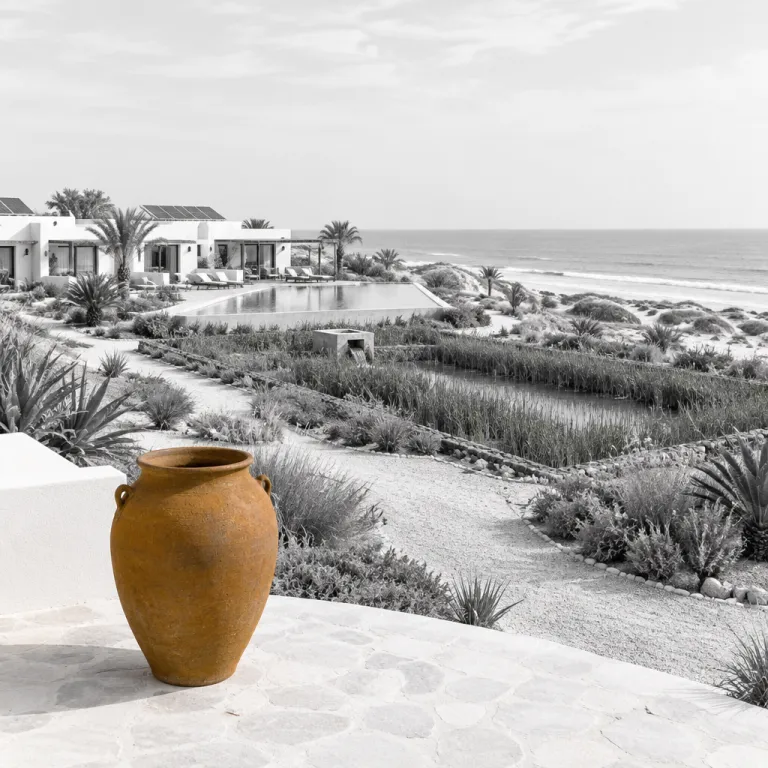
Why water defines luxury hospitality on Senegal’s Atlantic edge
Senegal’s luxury hotels operate on the seam between the Sahel and the sea. Seasonal rainfall arrives in short, intense bursts during the hivernage, while the rest of the year stretches dry and bright along a thirsty coast where water consumption can strain fragile supply. For guests used to long showers, lush gardens and vast pools, understanding how Senegal’s high-end hotels approach water conservation and broader sustainability is now part of choosing where to stay.
High-end hotels and coastal lodges concentrate demand in areas where aquifers and municipal systems already feel pressure. A single luxury property can use 400–800 liters of water per guest night, with pools, irrigation and laundry driving most of that water consumption rather than the glasses of water poured at dinner. When you explore options in Dakar, Saly or Saint-Louis, the most responsible luxury hotels now treat water stewardship as a core pillar of their overall sustainability strategy, not a side project.
In this context, the environmental impact of tourism is not abstract. Every liter of water diverted to a beachfront hotel is a liter that local communities, agriculture or wetlands might need, which makes achieving sustainable growth in coastal tourism a delicate balancing act. For business-leisure travelers, the stay you choose can either quietly promote conservation and sustainable tourism or quietly increase environmental pressure, so asking about concrete sustainable practices is no longer optional.
Inside the water footprint of luxury hotels, from pools to pillowcases
Walk through a polished hotel lobby in Dakar or along the Sine-Saloum delta and the water story hides in plain sight. The mirror-smooth pool, misted gardens and crisp linen signal luxury, yet each element represents significant water consumption that shapes the environmental impact of your stay. Understanding this footprint helps guests read between the lines of Senegal hotel sustainability claims around water use.
Swimming pools and landscaped grounds are usually the thirstiest features in luxury hotels and intimate lodges. In a hot coastal climate, evaporation alone can cost 4,000–7,000 liters of water per week for a typical 100 m² pool, while non-native lawns and tropical imports demand constant irrigation that pushes total consumption far beyond what local rainfall can reasonably support. Laundry follows close behind, as daily sheet changes and plush towels translate into industrial machines cycling through 15–25 liters per kilogram of linen, adding up to thousands of liters every day.
Guest rooms add another layer, because long showers and deep tubs quietly multiply the liters used per stay. Some properties now install low-flow fixtures that cut water use by 30–40% without sacrificing pressure, while others pair smart meters with staff training to track where efficiency gains are possible. When you explore booking forms and see required fields that indicate preferences for linen changes or towel reuse, that is often a sign the hotel is trying to align guest habits with sustainable practices rather than relying on back-of-house fixes alone.
In Senegal’s riverine and delta regions, lodges face a different but related challenge. Drawing water from nearby rivers or wells can affect local communities and ecosystems if not carefully managed, especially where mangroves and cultural heritage sites depend on delicate salinity balances. Our in-depth look at community-led lodges in the Sine-Saloum shows how some properties now design every guest experience around eco-friendly flows, from bucket-measured showers to friendly activities that explain why each liter matters.
From greywater to Green Key: what real water stewardship looks like
Not all sustainability language in hotels is equal, especially when it comes to water. A discreet bathroom card about reusing towels can be a useful nudge, yet on its own it barely touches the deeper environmental impact of luxury operations. Serious water-conservation programs in Senegal’s upscale hotels reach into infrastructure, landscaping and procurement, not just guest messaging.
Behind the scenes, the most committed luxury hotels invest in greywater systems that capture lightly used water from showers and sinks, then treat it for irrigation or toilet flushing. Pair that with drought-tolerant native plants and you suddenly shift thousands of liters of water away from decorative lawns toward more sustainable gardens that reflect local culture and biodiversity. Some properties also experiment with rainwater capture during the hivernage, storing precious liters for the long dry months and reducing their draw on municipal supply.
Certification schemes such as Green Key can help guests identify hotels and lodges that embed sustainable practices into daily operations. A Green Key or similar label does not guarantee perfection, but it usually signals audited efforts around water consumption, waste and broader sustainability, including training for the équipe and transparent reporting on environmental impact. For example, several Dakar business hotels with Green Key certification report targets to cut water use by 10–20% per guest night over five years, backed by annual third-party audits. When a hotel talks about its commitment to sustainability, ask specifically how many liters per guest night it uses now, what targets it has for achieving sustainable reductions and how it works with local communities to promote conservation beyond the property line.
On the guest side, eco-friendly does not have to mean austere. Choosing a stay in one of Senegal’s emerging eco-luxury hotels along the Atlantic coast can deliver a richer experience, where water sustainability is woven into spa rituals, pool design and even the thiéboudienne you share with neighbors. The key is that sustainable tourism here feels like elevated teranga, not a lecture, with friendly activities that connect you to local culture while quietly lowering your impact per stay.
How to read between the lines when you book your Senegal stay
For business-leisure travelers, the sustainability tab on a hotel website is now as important as the spa menu. When you compare hotels in Dakar Plateau, Almadies or along the Petite Côte, look for specific references to water conservation and water management rather than vague eco language. Concrete numbers, clear sustainable practices and mention of local communities usually signal more than surface-level marketing.
Start with the basics before you confirm your stay. Does the hotel explain how it manages water consumption in pools and gardens, or mention greywater reuse, low-flow fixtures and rainwater capture as part of its sustainability narrative? If a property highlights Green Key or another certification, check whether that label explicitly covers water, because some schemes focus more on energy or waste than on liters of water per guest night.
Booking forms can also tell a story, even in the smallest required fields that indicate preferences. When a hotel invites guests to opt in to daily linen changes rather than assuming them, it shows an understanding that behavior change is key to achieving sustainable reductions in water use. If you are extending a work trip, a quick email asking how the hotel tracks environmental impact and how your stay can help promote conservation will usually receive a detailed answer from serious properties and a generic line from those still treating sustainability as a trend.
Context matters too, especially in a country where coastal supply and Sahel rainfall patterns are under pressure. Our analysis of Dakar’s hotel pipeline around major events shows how rapid growth can strain infrastructure if water planning lags behind. Choosing hotels and lodges that talk openly about local constraints, cultural heritage and partnerships with local communities is one of the most effective ways for guests to support sustainable tourism in Senegal.
Where water, culture and luxury hospitality meet on the ground
On the Cap-Vert peninsula, in Saint-Louis and across the Sine-Saloum, the most interesting luxury hotels now treat water as both a resource and a narrative thread. You might check into a polished city hotel where the lobby fountain has been replaced by sculpted stone and native plants, a quiet signal that water-conscious design is reshaping language around luxury. Out in the delta, lodges often build raised walkways above mangroves, guiding guests to explore ecosystems whose survival depends on careful water management upstream.
These properties understand that environmental impact and cultural heritage are inseparable in Senegal. When a hotel sources traditional woven textiles from local communities that practice water-efficient dyeing, or when a chef explains how seasonal ingredients reduce hidden liters embedded in food supply chains, sustainability becomes part of the experience rather than a separate policy. Friendly activities such as guided walks with fishers or visits to community gardens help guests see how tourism can promote conservation while reinforcing local culture and livelihoods.
For executives used to global chains, this can feel refreshingly grounded. Luxury here is not the endless flow of water in oversized tubs, but the confidence that every liter has been considered, from the pool to the kitchen to your morning espresso. When you choose hotels and lodges that communicate clearly about water sustainability, sustainable tourism and their long-term commitment to responsible operations, you are not only reducing your own impact per stay; you are helping to set the standard for what achieving sustainable luxury on a thirsty coast should look like.
FAQ
How can I tell if a Senegal hotel is serious about water conservation?
Look for specific details about water consumption, not just generic eco-friendly language. Serious hotels explain how many liters of water they use per guest night, describe systems such as greywater reuse or rainwater capture and often reference certifications like Green Key that include water criteria. If a property can answer precise questions about its sustainable practices and partnerships with local communities, it is usually going beyond marketing.
Do water-saving measures reduce comfort in luxury hotels?
In well-managed properties, guests rarely notice the technical changes behind water-efficient operations. Low-flow fixtures can maintain strong pressure, pools can be slightly smaller yet better designed and native gardens can feel more atmospheric than thirsty lawns. The aim is to maintain or even enhance the experience while quietly reducing environmental impact and total liters of water used.
What questions should I ask before booking a business-leisure stay in Senegal?
Ask how the hotel manages pool and garden water consumption, whether it uses treated greywater and how often linens are changed by default. You can also request information on any Green Key or similar certifications, and how the property works with local communities to promote conservation and protect cultural heritage. Clear, detailed answers are a strong indicator of genuine commitment to sustainability and achieving sustainable operations.
Are eco-focused lodges in Senegal suitable for high service expectations?
Many lodges that prioritize water sustainability now deliver service levels that match or exceed traditional luxury hotels. The difference is that comfort is paired with transparent sustainable practices, from measured showers to menus that reflect local culture and seasonal availability. If you value attentive staff, thoughtful design and a lower-impact stay, these properties can be an excellent choice.
How does my personal behavior affect water sustainability during my stay?
Your habits can significantly influence the liters of water used per night. Shorter showers, reusing towels, accepting less frequent linen changes and choosing friendly activities that support sustainable tourism all help reduce pressure on local supply. When guests align their behavior with hotel initiatives, achieving sustainable water use becomes far more realistic for properties along Senegal’s thirsty coast.
Quick checklist: questions to ask before you book
Before confirming a reservation, consider asking: (1) How many liters of water do you use per guest night, and what is your reduction target? (2) Do you operate greywater or rainwater-harvesting systems for pools, gardens or toilets? (3) How often are linens and towels changed by default, and can I opt for less frequent changes? (4) Are you certified by Green Key or a similar scheme that audits water use? (5) How do you work with local communities to protect shared water resources and cultural heritage?