From carbon headlines to real change in eco friendly Senegalese stays
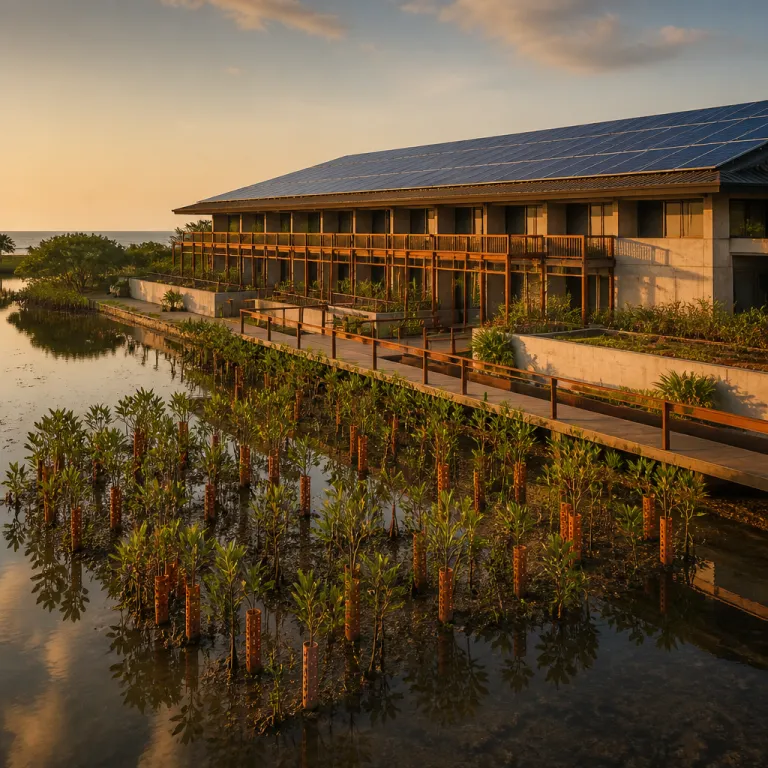
Eco-friendly sustainable hotels in Senegal are moving beyond slogans and glossy brochures. A new generation of hotels in Sénégal is tying sustainability to the daily guest experience, from solar roofs in the Sahel to mangrove pledges in the Sine Saloum Delta. For travelers who want to book a luxury hotel and still reduce their carbon footprint, the country now offers a quietly confident alternative to louder green destinations.
In Dakar, the most interesting sustainable hotels are not always the largest properties, but the ones where sustainability hospitality is woven into operations rather than displayed as a marketing badge. You see it in how a hotel in Dakar manages energy use, chooses cleaning products, and trains its équipe to explain sustainable practices without preaching. Across these hotels in Dakar, the hospitality industry is learning that guests will pay for comfort, but they increasingly expect a good environmental impact story as part of the journey.
Outside the capital, eco friendly properties such as Le Papayer Ecolodge in Cap Skirring and Okaï Oasis du Désert in the north show how hotels green their operations in very different landscapes. These hotels in Senegal rely heavily on solar energy, low impact architecture, and local organic food to align guest experience with the surrounding ecosystems. When you book these green hotels, you are not just reserving rooms with a view ; you are entering a long term partnership with communities that live from the land and sea.
Solar roofs, green bonds and the new rules of Senegalese hospitality
Senegal’s sustainability push in hospitality did not appear overnight, and it is now backed by serious policy and finance. The National Sustainable Tourism Certification, aligned with international GSTC criteria, is set to become mandatory for every new sustainable hotel project, raising the bar for what counts as a hotel sustainable label. At the same time, a Tourism Green Bond has channelled significant capital into solar energy systems and waste management for hotels Senegal wide, from Dakar to remote deltas.
For travelers, this means that eco-friendly sustainable hotels in Senegal are increasingly audited on real sustainability metrics, not just friendly branding. When a hotel business applies for certification, it must show measurable efforts to reduce carbon emissions, manage water, and limit waste, which directly shapes the guest experience. If you care about your carbon footprint, ask whether a property participates in these national schemes or holds a Green Key or equivalent sustainability hospitality certification before you book.
Policy is only half the story, because the hospitality industry still faces the luxury paradox ; guests expect chilled rooms, hot showers, and fast Wi-Fi, yet they also want hotels green enough to feel responsible. Some properties are responding with smart energy systems, solar roofs, and clear communication about when and why certain services are free or limited to reduce environmental impact. For a deeper look at how carbon rules are reshaping hotel Dakar operations and beyond, our analysis on sustainability rules rewriting Senegalese hospitality unpacks the regulatory landscape in detail.
Mangrove pledges and delta lodges: where carbon meets cultural heritage
The most compelling eco-friendly sustainable hotels in Senegal are often found where land and water blur, especially in the UNESCO listed Sine Saloum Delta. Here, properties such as Keur Saloum Ecolodge and Ecolodge de Simal have built their business models around mangrove protection, low impact canoe excursions, and long term partnerships with local fishing villages. Their pledges go beyond symbolic tree planting, linking each guest journey to measurable restoration of thousands of hectares of mangroves.
Karbon-X Corp. works with local communities and hotels Senegal wide to restore mangrove ecosystems that lock away carbon and protect shorelines from erosion. In this context, the statement “Why restore mangroves in Senegal? To protect biodiversity and combat climate change.” becomes more than a slogan, because your stay directly funds propagules, monitoring, and community training. When you book a room in these green hotels, you are helping to reduce carbon emissions at source rather than relying only on offsets.
These delta properties also understand that sustainability is cultural, not just environmental, and they weave Senegal’s cultural heritage into every aspect of hospitality. Guests might share thiéboudienne with a host family, listen to griot storytelling at sunset, or join a pirogue trip that respects fishing seasons and marine life, all while the hotel uses eco friendly cleaning products and solar energy. For a broader view of coastal properties that balance luxury with sustainable practices, explore our guide to Senegal eco luxury hotels along the Atlantic coast before you book.
Inside the luxury paradox: comfort, carbon and honest green hotels
High end hotels in Dakar and along the Petite Côte are quietly rewriting what luxury means in West African hospitality. Instead of marble excess, the new language of a sustainable hotel is about airflow, shade, and energy efficient design that keeps rooms cool without overloading the grid. Guests still expect a good level of comfort, but they are increasingly willing to trade constant air conditioning for intelligent systems and clear communication about why certain choices reduce environmental impact.
The smartest eco-friendly sustainable hotels in Senegal are transparent about their constraints, explaining how solar roofs, battery storage, and water reuse shape daily operations. You might find that laundry is not automatically changed every day, or that some amenities are available only on request, because the hotel business is trying to reduce its carbon footprint without compromising service. When this is framed as part of a shared journey toward sustainability, most guests respond positively and feel more connected to the place.
Food is another frontier where hotels green their offer while elevating guest experience, especially in hotel Dakar restaurants that champion organic food and short supply chains. Menus highlight local fish, millet, and seasonal vegetables, cutting transport emissions while celebrating Senegal’s culinary heritage in a way that feels both eco friendly and indulgent. For solo travelers moving between view hotels in Dakar and heritage stays on Gorée Island, our detailed itinerary for an elegant journey from Dakar to Île de Gorée offers a practical route that keeps sustainability in focus.
How to choose genuinely eco friendly hotels in Senegal as a solo traveler
Choosing eco-friendly sustainable hotels in Senegal as a solo explorer starts with asking better questions at the booking stage. Instead of simply looking for a green leaf icon, ask whether the hotel holds a Green Key or equivalent certification, participates in the National Sustainable Tourism Certification, or reports on its sustainability hospitality performance. A property that can explain its sustainable practices in clear language is usually more serious than one that hides behind vague eco friendly claims.
Look closely at how hotels in Dakar and beyond manage energy, water, and waste, because these are the pillars of any hotel sustainable strategy. Does the hotel rely on solar energy for part of its operations, offer free filtered water instead of single use plastic, and use cleaning products that are safe for greywater reuse. When you book, ask how they reduce their carbon footprint, whether they support mangrove or wildlife projects, and how these efforts shape the guest experience day to day.
Finally, consider how each hotel in Senegal connects you to local cultural heritage and community life, because social sustainability is as important as carbon metrics. Properties that employ local staff, source organic food from nearby farms, and support artisans are investing in long term resilience for both business and neighborhood. As you move between different hotels green in style and scale, you will notice that the most memorable stays are those where sustainability feels like an invitation to engage more deeply with Senegal, not a constraint on your journey.
FAQ
What makes a hotel in Senegal genuinely eco friendly rather than greenwashed ?
A genuinely eco friendly hotel in Senegal can show concrete sustainable practices, such as solar energy use, water saving systems, and responsible waste management. It often holds a recognized certification like Green Key or the National Sustainable Tourism Certification, and it can explain how these standards affect daily operations. Staff are trained to discuss sustainability with guests, and the property usually supports local conservation or community projects in a transparent way.
Why are mangrove restoration projects linked to hotels in Senegal ?
Mangrove ecosystems in Senegal store large amounts of carbon, protect coastlines from erosion, and provide nurseries for fish and shellfish. Hotels near deltas and estuaries often support mangrove restoration to reduce their carbon footprint and safeguard the natural assets that attract guests in the first place. Partnerships with organizations such as Karbon-X Corp. allow properties to channel a portion of room revenue into long term reforestation and community based monitoring.
How do solar roofs change the guest experience in luxury Senegalese hotels ?
Solar roofs allow hotels to generate part of their own energy, reducing reliance on diesel generators and the national grid. For guests, this can mean quieter nights, fewer power cuts, and the reassurance that comfort is not entirely dependent on fossil fuels. Some properties may still manage energy carefully, for example by limiting unnecessary lighting or encouraging moderate air conditioning use, but they usually communicate these choices clearly.
Are eco-friendly sustainable hotels in Dakar suitable for business travelers ?
Many eco-friendly sustainable hotels in Dakar are well equipped for business travelers, offering reliable Wi-Fi, meeting spaces, and airport transfers. The difference lies in how they manage resources, from efficient lighting to eco friendly cleaning products and reduced single use plastics. Business guests often appreciate the chance to align their corporate sustainability goals with their accommodation choices, especially when hotels provide clear data on energy savings and emissions reductions.
How can solo travelers verify sustainability claims before they book a hotel in Senegal ?
Solo travelers can start by checking whether a hotel lists specific certifications, such as Green Key or national sustainable tourism labels, rather than generic green icons. Reading detailed sustainability sections on hotel websites, asking direct questions by email, and consulting independent reviews focused on environmental impact all help to filter serious efforts from marketing. Choosing properties that support recognized projects, such as mangrove restoration or wildlife conservation, adds another layer of credibility to the booking decision.