Why ile de goree matters for luxury minded travelers
Île de Gorée, often written as ile de goree, is a small island with an immense emotional weight. Just 2 kilometres off Dakar, the island offers a rare combination of coastal beauty, layered history, and refined hospitality that appeals to thoughtful luxury travelers. Many people arrive for a day trip, yet the atmosphere encourages a slower rhythm and a more considered stay.
The island of Gorée, or island goree in some travel guides, was once a strategic outpost in the Atlantic slave trade that reshaped Senegal and the wider world. From the fifteenth century onward, Portuguese sailors, later followed by Dutch and French powers, used this island as a fortified post to control maritime trade. Today, the same fortifications and pastel houses frame quiet lanes where visitors walk in near silence, aware that enslaved Africans once passed through these same spaces.
For travelers planning premium stays in Dakar or elsewhere in Senegal, ile goree is not simply another excursion. It is a heritage site recognized by UNESCO, where the historical layers of the transatlantic slave system are preserved with care and sobriety. This proximity between a modern capital city and a deeply historical island makes it essential to understand how to integrate a visit into a luxury itinerary that remains respectful, informed, and emotionally prepared.
As you plan, remember that the island is compact, only 36 hectares, yet dense with meaning. The combination of historical museum spaces, restored houses, and coastal views means that every hour on Goree island can feel intense. Thoughtful pacing, expert guides, and well chosen accommodation in Dakar or on the mainland help transform this intensity into a meaningful, balanced experience.
From Dakar to Goree island : ferries, timing, and refined logistics
Reaching ile de goree from Dakar is straightforward, but luxury travelers benefit from careful timing and curated services. Ferries depart from the Gare Maritime in central Dakar, and the crossing to island senegal waters usually takes about twenty minutes. Because many people visit on day trips, early morning or late afternoon departures often provide a calmer atmosphere and softer light along the Atlantic slave route.
For guests staying in premium hotels along the Dakar waterfront, private transfers to the ferry terminal can be arranged to avoid traffic stress. Properties such as refined oceanfront addresses highlighted in guides to the King Fahd Dakar hotel experience often coordinate drivers who understand ferry schedules and security procedures. This level of service allows travelers to focus on the emotional preparation needed before approaching Goree Senegal and its historical spaces.
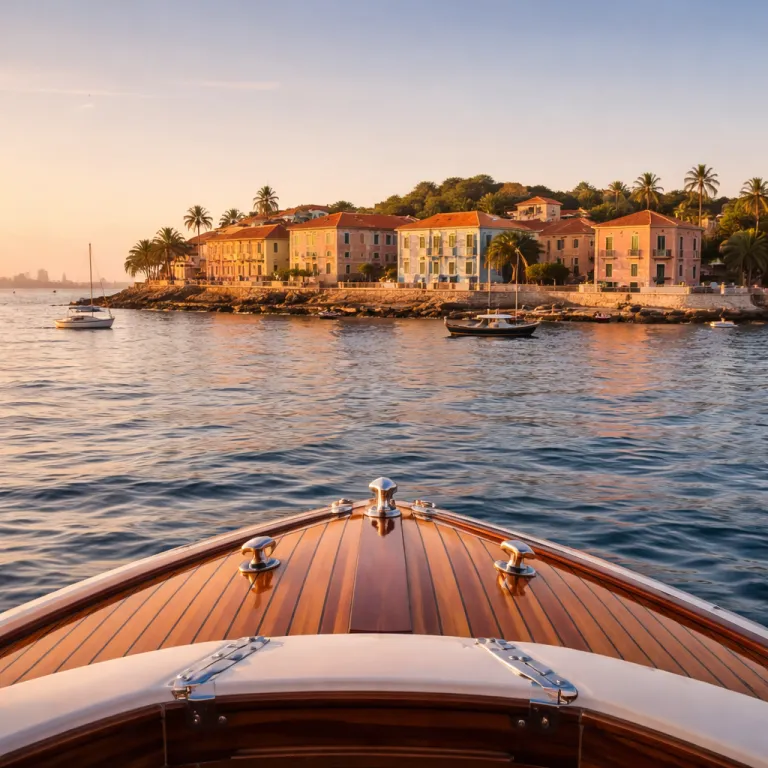
Once on board, the short journey from Dakar Goree offers a first perspective on the island fort and pastel houses rising from the sea. The view of Fort Estrees, the main fort built to protect the trade post, signals the shift from the bustle of Dakar to a more contemplative environment. Many visitors use this crossing to read brief historical notes about the transatlantic slave system, the role of French colonialists, and the experiences of enslaved Africans who passed through this island.
Luxury and premium travel planners should also consider seasonality and sea conditions when scheduling a visit. While the ferry is the standard route for all people, private charters can sometimes be arranged for groups seeking additional privacy and flexibility. Regardless of the vessel, the approach to island Goree marks the beginning of a visit where comfort, empathy, and historical awareness must remain in constant balance.
Staying in Dakar for an in depth visit to ile de goree
Because accommodation on ile de goree itself is limited, most luxury travelers base themselves in Dakar and plan extended visits to the island. This approach allows guests to enjoy refined city hotels with reliable services while dedicating unhurried time to Goree island and its historical museum spaces. It also creates room for reflection in the evenings, away from the intense atmosphere of the island.
Many premium properties in Dakar offer sea facing rooms with views toward island Senegal, connecting the modern skyline with the silhouette of the old fort. Travelers seeking a balance between business amenities and leisure often appreciate curated stays such as those described in this guide to elegant stays at Novotel Dakar. From such bases, it is easy to arrange private guides who specialize in the history of the Atlantic slave trade and the role of Senegal Goree within that system.
For those combining Dakar with other heritage destinations, itineraries often extend north to Saint Louis, another former French colonial post. Resources like the refined guide to luxury stays in Saint Louis help travelers compare different historical environments. Together, Saint Louis and Goree Senegal illustrate how trade, fortifications, and colonial administration shaped both coastal cities and smaller islands.
When selecting a hotel, consider how concierge teams handle requests related to heritage site visits. Experienced staff can recommend expert guides who explain the history of enslaved Africans, the role of local African traders, and the transition from slave trade to other forms of commerce. This level of support ensures that a visit to ile goree is not reduced to a brief photo stop, but integrated into a broader understanding of African resilience and cultural continuity.
Understanding the history of slave trade on ile de goree
Any meaningful visit to ile de goree requires a clear understanding of its role in the Atlantic slave system. From the fifteenth to the nineteenth century, this small island functioned as a key node in the transatlantic slave networks that linked Africa, Europe, and the Americas. European powers used the island as a fortified trade post where goods and enslaved Africans were exchanged before crossing the ocean.
Fort Estrees, sometimes written as fort estrees, was built to protect this trade and to assert French control over the island and surrounding waters. Within its walls and nearby warehouses, administrators managed the flow of people and commodities that defined the slave trade economy. The presence of a historical museum in this fort today allows visitors to examine documents, maps, and objects that illustrate how the system operated and how Africans resisted.
One of the most poignant sites on Goree island is the Maison des Esclaves, often referenced in French as maison des esclaves or simply maison des. This house, once associated with house slaves and holding cells, now serves as a memorial and interpretive space. Guides explain how enslaved Africans were confined in cramped rooms before passing through the famous Door of No Return toward ships bound for the New World.
On the island, however, another narrative has emerged alongside this painful memory. Many historians emphasize that while Gorée was symbolically important, other ports also played major roles in the transatlantic slave and wider trade in des esclaves. For thoughtful travelers, the key is to respect the emotional power of ile goree while situating it within the broader history of African societies, European expansion, and the long struggle for freedom.
Visiting maison des esclaves, Fort Estrees, and the historical museum with respect
Walking through the maison des esclaves on ile de goree is often the most emotionally intense moment of a visit. Narrow corridors, heavy doors, and small cells evoke the suffering of enslaved Africans who were held here as part of the wider slave trade. Guides frequently remind visitors that "Visit the Maison des Esclaves museum." is not a simple tourism suggestion, but an invitation to engage with a difficult chapter of human history.
From the courtyard, guests move toward the ocean side of the house where the Door of No Return frames the Atlantic slave horizon. Some people also speak of a symbolic door return, representing the spiritual journey of descendants who come back to island Goree and Senegal Goree in search of roots. Luxury travelers should approach photography and conversation here with particular discretion, allowing space for reflection and for others to process their emotions.
Nearby, Fort Estrees houses a historical museum that broadens the narrative beyond a single house. Exhibits trace the evolution of the island from a Portuguese outpost to a French colonial fort, then to a heritage site recognized by UNESCO. Panels explain how maritime trade, weapons, and administrative systems were built to sustain the transatlantic slave and other commercial routes that linked this island to global markets.
Guides often highlight that the same walls which once protected a trade post now protect memory and education. Visitors learn how Africans, both enslaved and free, shaped the history of Gorée through resistance, adaptation, and cultural creativity. By the time guests step back into the sunlight, many feel a renewed responsibility to honour this history in the way they travel, speak, and share their experiences with others.
Designing a luxury itinerary that honours africans and heritage on ile de goree
For premium and luxury travelers, the challenge is to design an itinerary that combines comfort with genuine respect for the history of ile de goree. This begins with choosing guides and experiences that centre the voices of Africans and descendants, rather than treating Goree island as a simple backdrop. Many travelers appreciate small group or private tours that allow time for questions, silence, and personal reflection.
After visiting the maison des esclaves, Fort Estrees, and the historical museum, some guests choose to walk the quieter lanes of island Goree. Colourful houses, flowering bougainvillea, and views toward Dakar remind visitors that this is also a living community where people work, study, and raise families. Supporting local artisans, cafés, and cultural initiatives helps ensure that the benefits of heritage tourism reach residents who maintain the island’s character.
Thoughtful itineraries often include time in other parts of Senegal to contextualize the experience. In Saint Louis, for example, the architecture of another former French post reveals how trade and administration shaped urban life beyond this small island. Along the coast and inland, travelers encounter communities whose ancestors were affected by the transatlantic slave and later colonial policies, yet who continue to express rich African cultural traditions.
As you plan, remember that UNESCO heritage recognition is not an endpoint but a commitment to ongoing preservation and education. Luxury travel companies and hotel booking platforms in Senegal increasingly collaborate with historians and local associations to refine their offerings. By choosing partners who prioritise ethical storytelling and community benefit, travelers help ensure that ile goree remains both a place of remembrance and a source of dignity for africans today.
Key statistics about ile de goree and its context
- Island area : approximately 36 hectares, making Goree island compact yet dense with historical sites and residential areas.
- Distance from Dakar : about 2 kilometres across the bay, with standard ferry crossings between Dakar Goree taking around twenty minutes in normal sea conditions.
- Period of major involvement in the Atlantic slave trade : from the fifteenth to the nineteenth century, during which the island functioned as a fortified trade post under successive European powers.
- UNESCO World Heritage status : designated as a heritage site in recognition of its role in the transatlantic slave system and its preserved colonial architecture.
- Primary tourism focus today : historical education, cultural events, and restoration of colonial era buildings that now host museums, galleries, and community initiatives.
Essential questions about visiting ile de goree
What is Île de Gorée known for ?
Île de Gorée, often written as ile de goree, is known above all for its role in the Atlantic slave trade and wider colonial history. The island served as a fortified trade post where enslaved Africans were held before crossing the ocean, and where European powers competed for control of regional commerce. Today, sites such as the maison des esclaves, Fort Estrees, and the historical museum make Goree Senegal a powerful place of remembrance and education.
How can I visit Île de Gorée ?
To visit ile goree, travelers usually take a ferry from the Gare Maritime in central Dakar, with crossings to island Senegal waters lasting about twenty minutes. Many luxury hotels in Dakar arrange private transfers to the terminal and can recommend expert guides for a deeper understanding of the island’s history. Once on Goree island, visitors explore on foot, moving between the maison des esclaves, the fort, small squares, and coastal viewpoints at their own pace.
Is Île de Gorée a UNESCO World Heritage site ?
Yes, Île de Gorée is officially listed as a UNESCO World Heritage site in recognition of its significance within the transatlantic slave system and its well preserved colonial architecture. This status helps protect key structures such as Fort Estrees, the maison des esclaves, and other historical houses that line the island’s narrow streets. For travelers, the designation underscores the need to approach ile de goree with respect, informed curiosity, and support for local preservation efforts.
