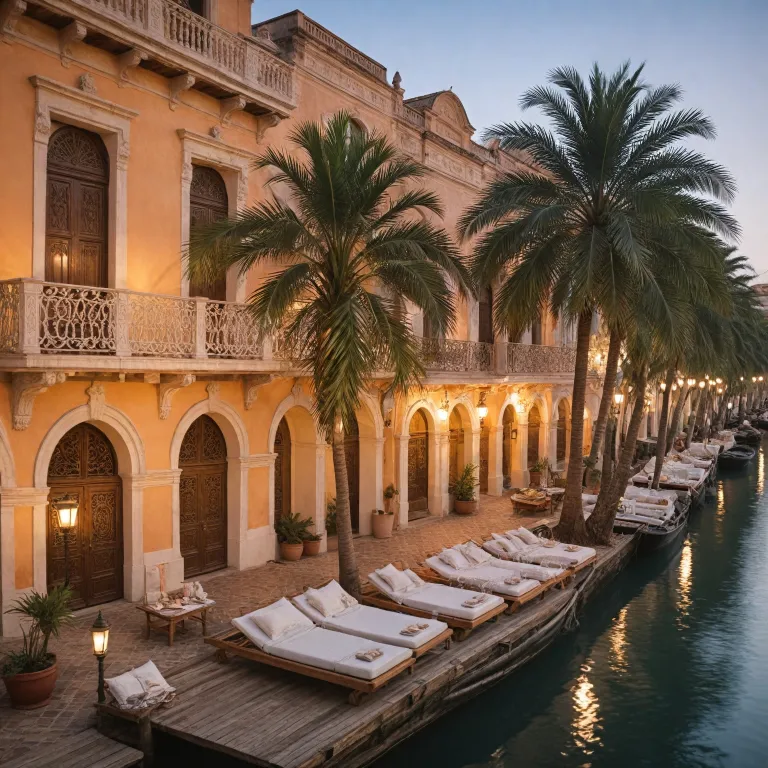
St Louis Senegal as a colonial city of character for luxury travelers
St Louis Senegal offers a rare blend of elegance, history, and coastal light. The city located on an island between the Senegal river and the Atlantic sea creates a setting where refined hotels overlook water on both sides, while the old colonial city streets invite slow evening walks. In this former capital of Senegal west of Dakar, luxury and premium stays gain depth from the town’s layered past and its role in West Africa.
Founded by French colonists in the seventeenth century, Saint Louis became the first major French settlement in West Africa and a strategic colonial city for trade. Today, the historic city Saint Louis is listed UNESCO as a World Heritage Site, and its pastel façades, arcaded houses, and iron balconies frame many of the finest hotels. Travelers booking high end rooms here are not only choosing a place to sleep ; they are entering a living archive of Africa’s coastal history and the Senegal saint narrative of exchange along the Senegal river.
The island city is connected to the mainland by the emblematic Faidherbe bridge, whose metal arches are among the most photographed images of Senegal west. Many premium hotels are located either on the island itself or along the Langue de Barbarie sandbar facing the open sea. This geography allows guests to watch the river on one side and the sea levels of the Atlantic on the other, a reminder that this city threatened by rising sea remains both fragile and resilient. For discerning visitors, that tension adds emotional resonance to every day spent in Saint Louis.
Choosing the right district in Saint Louis for premium stays
When planning a stay in St Louis Senegal, the first decision is which part of the city best matches your travel style. The historic island in the Senegal river concentrates much of the colonial city charm, with restored mansions, art galleries, and intimate luxury properties that suit travelers who value atmosphere over resort scale. Across the Faidherbe bridge, the Sor district on the mainland offers easier access to transport, markets, and some larger hotels that appeal to guests seeking a livelier town experience in this corner of West Africa.
Along the oceanfront strip of Langue de Barbarie, south of the island city located between river and sea, premium hotels focus on space, sea views, and beach access. Here, the sound of the sea levels Africa side of the coast shapes each day, and suites often open directly toward the Atlantic, while the Senegal river estuary lies just behind the dunes. This area suits travelers who want a resort feel yet still remain close enough to the colonial city Saint Louis for evening dinners and cultural outings.
Within the island itself, streets near the Faidherbe bridge are particularly convenient for guests who plan to explore on foot. From these addresses, you can reach the main squares, the cathedral, and the quays where pirogues line the Senegal river in only a few minutes. Whether you choose the island, the mainland town, or the sea facing strip, verify how your preferred hotel addresses the reality of a city threatened by rising sea and coastal erosion, since long term sustainability increasingly shapes the luxury experience in Saint Louis Senegal.
How rising sea levels shape luxury hotel choices in Saint Louis
St Louis Senegal stands at the meeting point of river and ocean, and this beauty comes with risk. The city located on a low lying island in the Senegal river delta is now widely described as a city threatened by rising sea and coastal flooding, a reality that responsible luxury travelers should understand. In recent decades, rising sea levels and stronger Atlantic swells have accelerated erosion along the Langue de Barbarie, while high river flows have increased flood pressure from the Senegal river side.
These environmental pressures mean that premium hotels must invest in resilient design and work closely with the national park authorities and the local habitat agency. Properties near the sea increasingly integrate elevated structures, reinforced dunes, and drainage systems that anticipate threatened rising waters during storm surges. On the river side, some hotels on the island and in the town of Saint Louis adopt flood aware layouts, placing key facilities on upper levels and using water resistant materials on ground floors to adapt to changing sea levels Africa wide.
For guests, this context influences how to evaluate a luxury stay in Senegal west of Dakar. When comparing hotels, it is worth asking how each property collaborates with United Nations Habitat programs or similar initiatives, and whether they support conservation in the nearby national park areas. Choosing a hotel that acknowledges the reality of a city threatened by rising sea and invests in protection of the colonial city fabric helps ensure that the images you capture of Faidherbe bridge, the island streets, and the river quays will remain possible for future travelers to Saint Louis Senegal.
Experiencing culture, river, and sea from luxury hotels in Saint Louis
One of the main reasons travelers choose St Louis Senegal for a premium stay is the city’s cultural depth. As Senegal’s oldest colonial city, Saint Louis offers a dense concentration of heritage buildings, from former trading houses along the Senegal river to administrative structures that once governed much of West Africa. Many luxury hotels are located in restored mansions, where high ceilings, wooden shutters, and wrought iron balconies frame views of the island streets and the Faidherbe bridge.
From these properties, guests can walk to jazz venues, art spaces, and riverfront cafés that animate the town after day trips. The annual jazz festival draws musicians from across Africa and beyond, turning the colonial city Saint Louis into an open air stage where rhythms echo between façades. During quieter periods, travelers can arrange private guided tours that explain how French colonists and local Wolof communities shaped the city located at this strategic point on the Senegal river, and why it is now recognized as a UNESCO heritage site.
Luxury hotels also serve as gateways to nature, with excursions to the nearby national park areas that protect migratory birds and coastal habitats. Boat trips along the river at sunset reveal another side of Saint Louis Senegal, as fishermen return to the town and the light softens over the island. For more inspiration on culturally rooted premium stays across Senegal west of Dakar, travelers can consult specialized resources such as this guide to luxury and premium hotel booking in Senegal, which places Saint Louis within a broader West Africa context while highlighting the city saint identity shaped by both river and sea.
Practical booking strategies for luxury stays in Saint Louis Senegal
Securing the right hotel in St Louis Senegal requires more than simply choosing a star rating. Because the city located on an island in the Senegal river has a compact historic core, room orientation and building levels matter greatly for comfort, privacy, and views. When booking, request precise information about whether your room faces the river, the inner courtyard, the town streets, or the open sea, since each perspective offers a different experience of this colonial city.
Travelers planning to attend the jazz festival or major cultural events should book several months in advance, as the limited number of premium rooms on the island and in the town fills quickly. During these peak periods, some hotels introduce minimum stay requirements, and rates can rise significantly compared with quieter day to day periods in Senegal west. It is also wise to confirm whether airport transfers from Dakar or other West Africa hubs are included, as private drivers can save time on the road to Saint Louis Senegal.
Another key factor is flexibility in case of weather related disruptions linked to rising sea levels or high river flows. Ask hotels about their policies if access roads near the Senegal river or sea facing areas are temporarily affected, and whether they coordinate with the local habitat agency or United Nations Habitat style programs for risk management. Finally, verify that the property respects the architectural guidelines for the listed UNESCO colonial city, since responsible renovation helps preserve the images and atmosphere that make the island and city saint so distinctive for luxury travelers.
Day trips, national parks, and ethical luxury around Saint Louis
Beyond the island streets of St Louis Senegal, a network of natural sites and traditional communities invites thoughtful exploration. Many premium hotels organize day excursions to nearby national park areas, where the Senegal river and coastal wetlands host large populations of migratory birds. These outings reveal how the city located at the river mouth depends on healthy ecosystems upstream in Senegal west and neighboring parts of West Africa.
Ethical luxury in Saint Louis means choosing experiences that respect both nature and local livelihoods. When booking boat trips on the river or sea, look for operators who limit group sizes, use appropriate safety equipment, and follow guidelines set by park authorities and the habitat agency. In coastal zones where rising sea levels and threatened rising erosion affect fishing communities, responsible tours should explain these challenges rather than treating the town merely as a picturesque backdrop for images.
Within the colonial city Saint Louis, many high end hotels now support cultural projects, from music schools to heritage restoration on the island. Guests can contribute by attending performances, purchasing local crafts, or participating in workshops that highlight the history of the city saint and its role as a former administrative center for Senegal saint and wider West Africa. As one local explanation notes, "Rising sea levels threaten the city," yet tourism that values authenticity, respects the listed UNESCO status, and engages with United Nations Habitat style urban resilience efforts can help ensure that Saint Louis Senegal remains both livable for residents and inspiring for future travelers.
Key statistics about Saint Louis Senegal and its heritage
- Population of Saint Louis city and surrounding areas : approximately 254 171 people, reflecting a medium sized urban center in Senegal west.
- Saint Louis was founded in the seventeenth century by French colonists as a strategic colonial city on the Senegal river in West Africa.
- The historic island city located between river and sea has been recognized as a UNESCO World Heritage Site for its colonial architecture and urban layout.
- Fishing and tourism are among the main economic activities in Saint Louis Senegal, alongside administration and services linked to nearby national park areas.
Essential questions about luxury travel in Saint Louis Senegal
Why is Saint Louis significant for travelers seeking premium stays ?
Saint Louis is significant because it is Senegal’s oldest colonial city and a UNESCO World Heritage Site, which gives luxury and premium hotels an exceptional architectural and historical setting. The island city located at the mouth of the Senegal river offers a rare combination of river views, sea horizons, and preserved streets that reflect centuries of trade in West Africa. For travelers, this means that every day in Saint Louis Senegal can combine refined comfort with meaningful encounters with history, culture, and the realities of a city threatened by rising sea levels.
What are the main attractions near luxury hotels in Saint Louis ?
Major attractions near high end hotels in Saint Louis include the colonial city streets, the Faidherbe bridge, and the riverfront quays where traditional pirogues dock each day. Guests can also visit nearby national park areas that protect birdlife and coastal habitats, as well as attend the renowned jazz festival that animates the town with music from across Senegal west and wider West Africa. Together, these experiences allow visitors to appreciate both the built heritage of the city saint and the natural landscapes shaped by the Senegal river and the Atlantic sea.
How does the environmental context affect hotel choices in Saint Louis Senegal ?
The environmental context of rising sea levels and erosion along the coast means that travelers should pay attention to how hotels manage risk and support resilience. Properties located near the sea or along the river increasingly work with the habitat agency, national park authorities, and United Nations Habitat style initiatives to protect both buildings and communities in this city threatened by rising sea. Choosing hotels that respect the listed UNESCO status of the colonial city and invest in sustainable practices helps ensure that Saint Louis Senegal remains a compelling destination for future generations of discerning guests.
