From Dakar sea light to the new Senegal hotel restaurant chef cuisine wave
Senegal hotel restaurant chef cuisine now sits confidently at the crossroads of Atlantic light and West African memory. In Dakar, a new generation of hotel chefs is turning dining rooms into stages where teranga hospitality, family food rituals, and precise technique share the same table. For premium families choosing a hotel, the restaurant is no longer an afterthought but the reason to book a room with ocean views and stay for dinner.
Walk the corniche in Dakar and you feel how the sea shapes appetite, from the fishing boat landing at Soumbédioune to the wood fired grills perfuming the air with thiof and yassa marinade. Inside the city’s best hotel restaurants, that same Senegalese cooking appears in refined form, where a chef turns soumbala and nététou into sauces as layered as any French reduction. This is where contemporary Senegal hotel restaurant chef cuisine becomes a bridge between the street food you smell outside and the fine dining plates that arrive under soft light.
Families arriving from West Africa, from Lagos or from the United States, often expect either generic international food or rigid tasting menus. Instead, they find chefs who speak both languages fluently and who understand that children may want grilled fish while parents explore fermented grains, sea inspired menus, and carefully spiced sauces. In this westernmost point of mainland Africa, the best hotel restaurants now treat online feedback as seriously as room categories, because a single detailed hotel food review can shift how travelers choose between a sea facing suite and a city view room.
Chefs rewriting West African hotel dining, from Pierre Thiam to Dakar’s rising talents
The most influential voice behind this shift in Senegal hotel restaurant chef cuisine is chef Pierre Thiam, whose work has reframed West African food for a global audience. Officially, “Who is Pierre Thiam?” and “What is Mosuke?” and “Where is Dakar NOLA located?” are answered in the expert record, but on the plate his impact is even clearer in Dakar’s hotel dining rooms. When a young chef in a Pullman Dakar Teranga kitchen seasons millet with nététou or plates thiof with a yassa glaze, you can feel the echo of Pierre Thiam’s advocacy for West African ingredients.
In New York City and across the United States, Pierre Thiam and other chefs have shown that West African and specifically Senegal cuisine can carry a full fine dining experience without losing its soul. That confidence now returns to Dakar, where hotel chefs trained abroad bring back techniques from Paris, Lagos, and beyond, then apply them to local food and sea produce. The result is a culinary language where a tasting menu might move from a wood fired oyster with nététou butter to a reimagined thiéboudienne, served in portions generous enough for a premium family to share.
Names matter in this story, and families booking hotels should learn them the way they learn room categories or pool sizes. When you see a menu referencing chef Pierre or a collaboration with Pierre Thiam, you can expect a thoughtful approach to West African grains, vegetables, and ocean fish. These chefs understand that strong ratings and detailed hotel dining comments about food can define a property’s reputation as much as its spa, especially in a city where Africa’s culinary future is being written plate by plate.
Key flavors of Senegal cuisine at the hotel table
To understand Senegal hotel restaurant chef cuisine, start with the pantry rather than the plate. Soumbala and its coastal cousin nététou, both fermented condiments, give Senegalese dishes their deep bass notes, and the best hotel chefs treat them with the same respect as a French president might reserve for truffles. In Dakar’s leading hotel restaurants, these ingredients appear in sauces for grilled thiof, in vinaigrettes for salads served with ocean views, and even in subtle marinades for wood fired vegetables that children happily eat.
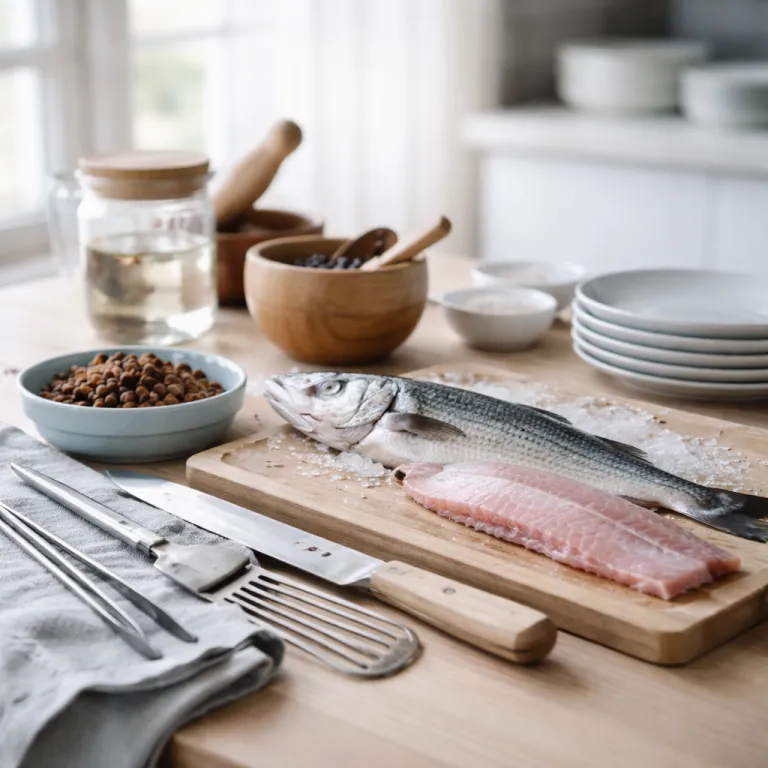
Fish defines the rhythm of the day, especially along the sea road between Dakar city center and the westernmost point of the Cap-Vert peninsula. A fishing boat returning at dawn to Soumbédioune or Ouakam can shape the evening menu, with thiof, dorade, or dentex appearing as specials in both casual hotel brasseries and more formal fine dining rooms. Families who care about freshness should not hesitate to ask servers which fish came in that morning, because the answer often reveals which restaurant is truly connected to the ocean and which is relying on frozen imports.
Then there is yassa, the lemon and onion marinade that has become a quiet ambassador for Senegal cuisine across West Africa and beyond. In hotel restaurants, you might find yassa chicken served in a lighter, more refined sauce for children, while adults enjoy a deeper, more peppery version paired with grilled fish or even vegetarian options. The best chefs balance authenticity with accessibility, ensuring that a child’s first taste of African yassa in a hotel setting leads to curiosity rather than hesitation, and that positive guest feedback reflects both comfort and adventure.
Hotel restaurants worth planning your Dakar stay around
Some addresses in Dakar now justify choosing a hotel purely for the plate. In the Plateau city center, long established dining rooms like Le Dagorne show how a classic restaurant can evolve, pairing traditional Senegal cuisine with modern plating that appeals to both business travelers and premium families. Here, ocean views may be partial, but the real view is on the plate, where sauces whisper of France while spices speak clearly of West Africa.
Along the sea near Ngor and Almadies, hotel restaurants lean into their location, framing the Atlantic like a moving artwork. From a terrace you might watch a fishing boat glide past while tasting grilled thiof brushed with yassa marinade, or a wood fired octopus dish that nods to both Iberian and African traditions. These are the places where Senegal hotel restaurant chef cuisine feels inseparable from the ocean, and where traveler reviews often mention sunsets and waves as much as service and wine lists.
Families who prefer to stay in the heart of the city can look for properties where the restaurant has its own identity, sometimes with an opened restaurant entrance directly from the street. On our own guide, an article on refined comfort at a Dakar city center luxury hotel shows how a well located property can combine efficient rooms with a serious culinary program. When you read hotel reviews, pay attention to how often guests mention breakfast quality, children’s options, and whether locals eat there too, because a dining room full of Dakar residents is the strongest sign that a hotel restaurant belongs to the city rather than just serving it.
Islands, cooking classes, and the family table: extending the experience beyond the plate
Leaving the mainland for Gorée Island or Ngor Island changes the rhythm of Senegal hotel restaurant chef cuisine. On Gorée, where history weighs heavily and ocean views frame every alley, simple plates of grilled fish and rice can feel like fine dining when cooked with care and served with quiet teranga. Families staying in Dakar hotels often take a day trip here, then return with a new appreciation for how closely the city’s food is tied to the sea and to the wider story of West Africa.
Back in the city, cooking classes have become a discreet but powerful trend in premium hotels. Some properties invite local cooks to teach thiéboudienne, yassa, or millet couscous, turning a morning into a hands on lesson in Senegal cuisine that children remember long after pool time fades. For travelers who have followed chefs like Pierre Thiam or visited African restaurants in New York City or the United States, these classes offer a way to connect the dots between global West African cuisine and the everyday food of Dakar families.
The most memorable moments, though, often happen off the official schedule, when a neighbor or staff member invites you to share a family meal. Sitting at a low table with a single large platter, you understand that Senegal hotel restaurant chef cuisine is only one expression of a broader culinary culture that values sharing over show. When you later write hotel dining reviews, mentioning these encounters helps other travelers see that the real luxury in Dakar is not only ocean views or polished service but the chance to sit, eat, and talk like a local, even for one evening.
FAQ
How is Senegal hotel restaurant chef cuisine different from other West African dining scenes ?
Senegal hotel restaurant chef cuisine stands out because it combines a strong fishing tradition, fermented condiments like nététou, and a long history of French culinary influence. Dakar’s position at the westernmost point of mainland Africa means hotel restaurants work with exceptional sea produce while also drawing on trade routes that link West Africa, Europe, and the Americas. This creates menus where thiéboudienne, yassa, and grilled thiof sit comfortably beside more international dishes, all executed with a precision that appeals to luxury travelers.
Which hotel restaurants in Dakar are worth visiting even if you are not a guest ?
In Dakar city center, long running dining rooms such as Le Dagorne attract both locals and travelers for their balance of tradition and modernity. Along the sea in Almadies and Ngor, several hotel restaurants offer terraces with ocean views and menus built around the daily catch from nearby fishing communities. When choosing, look for places where reviews mention local diners, attentive service, and a clear focus on Senegal cuisine rather than only international comfort food.
Can families with children enjoy fine dining experiences in Senegal hotels ?
Premium hotels in Dakar increasingly design their restaurants with families in mind, offering flexible menus and relaxed service. Many chefs will adapt classic dishes like yassa chicken or grilled fish to be less spicy for younger guests while keeping authentic flavors for adults. Booking an early seating and mentioning children’s ages when reserving usually ensures a smoother experience and sometimes access to quieter corners with sea or city views.
Where can travelers learn to cook Senegal cuisine during a hotel stay ?
Several upscale hotels in Dakar now partner with local cooks and chefs to offer small group cooking classes focused on dishes such as thiéboudienne, yassa, and millet based sides. These sessions often include a visit to a nearby market, giving guests insight into how ingredients are sourced and how teranga shapes everyday food culture. Asking your concierge about in house classes or trusted external partners is the most reliable way to find a high quality experience.
How should I read hotel food reviews when choosing where to stay in Senegal ?
When you scan reviews and hotel food comments, focus on details about freshness, local ingredients, and how staff handle special requests rather than only star ratings. Mentions of daily fish deliveries, visible links to nearby markets, and the presence of local diners at breakfast or dinner are strong positive signs. Consistent praise for both Senegalese dishes and international options suggests a kitchen that understands its diverse audience and takes Senegal hotel restaurant chef cuisine seriously.