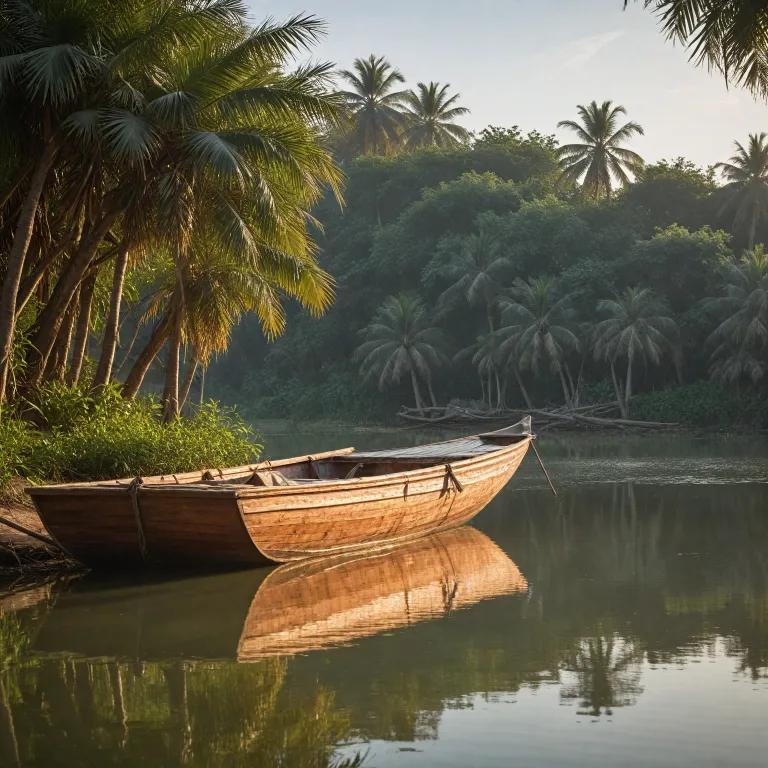
Casamance Senegal as a refined escape for luxury travelers
Casamance Senegal attracts travelers who want quiet elegance rather than crowded resort strips. This southern region of Senegal stretches along the lush Casamance River, where mangroves, palm groves, and rice fields create a serene backdrop. The Casamance region feels distinct from northern hubs, yet it remains firmly connected to the national story and its renewed focus on stability.
For a luxury or premium hotel booking website, the Casamance area presents both opportunity and responsibility. The long running Casamance conflict, driven by the separatist Movement of Democratic Forces of Casamance (MFDC), has shaped infrastructure, access, and perceptions. Today, new peace initiatives and development plans aim to integrate Haute Casamance, Lower Casamance, and Basse Casamance more fully into the tourism economy while honoring local culture.
The primary residents are the Diola people, also written as the Diola (Jola) ethnic group, who form the cultural backbone of Senegal Casamance. Their village life, rice cultivation, and spiritual traditions give the region Senegal a unique rhythm that sophisticated guests appreciate. When a booking platform highlights these people respectfully, it helps travelers understand why this landscape feels so different from Dakar’s Atlantic coast.
Premium travelers often arrive via the Dakar Ziguinchor route, either by air or by the overnight ferry that takes place several times per week. They then continue toward Cap Skirring, the best known seaside enclave in Casamance Senegal for high end stays. A well curated website can guide each trip from arrival in Ziguinchor to the most secluded beaches and forest lodges.
Understanding culture, community, and safety in Casamance Senegal
Any luxury focused platform working with Casamance Senegal must present the culture with nuance and care. The Diola people have long maintained strong community structures, where elders, women, and young people share responsibilities in the village. Their rituals, from masked ceremonies to rice harvest celebrations, are central to the identity of the Casamance region.
Traditional performances such as the dance Kumpo remain powerful expressions of belief and social cohesion. This dance often takes place in a clearing at the edge of the forest, where a towering raffia figure spins among drummers and singers. When a hotel booking website promotes such events, it should emphasize that guests are observers in a living tradition, not consumers of staged entertainment.
The history of conflict still matters for travelers, even as conditions improve. The Casamance conflict, involving the MFDC and the state, caused displacement and left unexploded devices in parts of the Casamance area. Current advice encourages visitors to stay informed, rely on updated guidance, and use experienced local guides for luxury itineraries who know which paths are safe.
Recent peace efforts and development investments aim to transform Casamance Senegal into a model of sustainable tourism. Authorities and partners are funding roads, demining operations, and hospitality training so that people in Ziguinchor region and coastal zones can benefit. A responsible booking website should clearly explain these dynamics, helping guests appreciate both the resilience of local community and the importance of traveling with awareness.
From Dakar to Ziguinchor and Cap Skirring: planning a premium trip
Planning a refined trip to Casamance Senegal usually starts with choosing how to reach Ziguinchor. Many travelers fly from Dakar, while others prefer the slower Dakar Ziguinchor ferry that crosses the Atlantic and the mouth of the Casamance River. A luxury booking website should present both options clearly, including transfer times, luggage comfort, and seasonal schedules.
Once in Ziguinchor region, guests often continue toward Cap Skirring, the main high end beach enclave in Lower Casamance. The road passes through palm groves, small village clusters, and stretches of forest where the air feels cooler and more humid. A premium platform can highlight private transfers, air conditioned vehicles, and vetted drivers who understand the nuances of the Casamance area.
Within Cap Skirring, luxury and premium hotels line the coast, often hidden behind dunes and coconut trees. These properties appeal to people who value privacy, refined service, and direct access to the ocean. A well designed booking website will showcase suites, villas, and wellness facilities while also explaining how each property engages with the surrounding community and supports young people through training or employment.
Beyond the coast, Haute Casamance and Basse Casamance offer river lodges and eco focused retreats. Here, guests can navigate the Casamance River by pirogue, visit Diola compounds, and attend a dance performance that may include the dance Kumpo. For deeper context on how high end stays are evolving nationwide, travelers can consult this overview of success stories from luxury and premium hotel booking websites in Senegal, then adapt those insights to their own itinerary.
Honoring Diola culture and village life in Casamance Senegal
Luxury travel in Casamance Senegal gains depth when it respects the rhythms of Diola life. The Diola people have long cultivated rice in low lying fields near the Casamance River, using sophisticated irrigation systems and communal labor. Their village compounds, often shaded by palm trees, bring together extended families, elders, and women who manage both household and economic roles.
Guests who stay in premium properties near these communities can arrange guided visits that prioritize listening over spectacle. A sensitive booking website will explain that ceremonies, including the dance Kumpo, are not daily shows but events that takes place at specific times in the ritual calendar. When a dance is open to visitors, it should be framed as an invitation to witness a living spiritual practice rather than a performance staged only for tourists.
Markets are another window into culture and everyday community life in Senegal Casamance. In the main market of Ziguinchor, stalls overflow with smoked fish, cashew nuts, woven baskets, and bright fabrics. On certain days, a larger march of traders from nearby village clusters and even from Guinea Bissau adds cross border energy to the scene.
For many young people, tourism offers a path to income that complements agriculture and artisanal work. A premium hotel booking website can highlight training programs for guides, reception staff, and spa therapists, especially those led by women. By presenting these stories, the platform helps travelers understand how their stay in Casamance region supports long term opportunities for local people.
Navigating the legacy of the Casamance conflict with care
Any serious guide to Casamance Senegal must address the legacy of the Casamance conflict. Since the early days of the separatist movement, the MFDC and state forces have shaped the security landscape, especially in rural zones of Haute Casamance and Basse Casamance. While violence has decreased, the history still influences how infrastructure, tourism, and community life evolve.
Travelers should know that some areas once used for fighting or smuggling still contain unexploded devices. Current guidance recommends that visitors remain on marked paths, follow local advice, and work with licensed guides who understand which parts of the forest and former front lines are safe. Luxury and premium hotel booking websites have a duty to share this information clearly, without sensationalism, so that people can make informed decisions.
The political dimension of the Casamance conflict also extends beyond national borders. The Casamance area touches Guinea Bissau, and diaspora communities in Europe and the United States follow developments closely. Some factions of the Casamance MFDC remain active, even as others participate in negotiations and support development projects that aim to stabilize region Senegal.
For high end travelers, this context does not mean avoiding Casamance Senegal, but rather engaging with it thoughtfully. A transparent booking platform can explain how peace initiatives, demining, and investment programs are improving conditions for people in Ziguinchor region and coastal resorts. This honesty builds trust and reassures guests that their trip contributes to a more secure and prosperous future for local community.
How luxury booking websites can support sustainable growth in Casamance Senegal
Luxury and premium hotel booking websites play a strategic role in shaping tourism in Casamance Senegal. By curating properties that respect the culture of the Diola people and the wider community, they influence where money flows and which projects thrive. This is especially important in a region emerging from conflict, where thoughtful investment can reinforce peace.
Platforms should prioritize hotels that employ local people, source food from nearby farms, and support education for young people and women. They can highlight initiatives that restore mangroves along the Casamance River, protect forest corridors, or maintain traditional palm groves used for wine and oil production. When guests see these commitments clearly described, they are more likely to choose stays that align with their values.
Marketing content should also address how tourism interacts with the legacy of the Casamance conflict and the presence of the MFDC. Without taking political positions, a booking website can explain that peacebuilding, demining, and infrastructure upgrades in Haute Casamance, Lower Casamance, and Basse Casamance help make travel safer. This approach respects the experiences of residents while giving travelers realistic expectations about routes, such as the Dakar Ziguinchor corridor.
Finally, platforms can encourage guests to engage with local arts, from the dance Kumpo to contemporary music and visual work inspired by Senegal Casamance. Attending a dance that takes place in a village square or visiting a crafts market becomes more meaningful when framed as part of a broader story of resilience. In this way, luxury travel in Casamance Senegal becomes not only comfortable but also deeply connected to the aspirations of its people.
Key figures and essential questions about Casamance Senegal
To understand the stakes of tourism development in Casamance Senegal, it helps to look at a few core statistics. These figures illuminate how the Casamance conflict has affected people and why careful, sustainable growth matters. They also show why travelers, booking platforms, and local authorities share a common interest in long term stability.
- Estimated deaths linked to the Casamance conflict since its beginning : approximately 5 000 people.
- Initial public investment dedicated to a major regional development plan for Casamance region : 53,6 billion CFA francs.
These numbers underline both the human cost of past conflict and the scale of current efforts to rebuild. When a luxury hotel booking website presents this context clearly, it helps guests appreciate why their trip to Casamance Senegal carries real economic and social weight. Responsible travel choices can support demining, infrastructure, and training that benefit young people, women, and entire community networks.
Prospective visitors often ask about the main cultural group in the Casamance area. What is the main ethnic group in Casamance? The primary ethnic group in Casamance is the Diola (Jola), comprising about 5% of Senegal's total population. Another frequent concern relates to the impact of the Casamance conflict on everyday life and travel.
What has been the impact of the Casamance conflict? The conflict has resulted in approximately 5,000 deaths and significant displacement of civilians since 1982. Travelers also want to understand how current policies in region Senegal influence safety and infrastructure in Casamance Senegal.
What are the recent developments in Casamance? Recent developments include the introduction of the 'Plan Diomaye' in 2024, allocating 53.6 billion CFA francs for regional development, and ongoing peace initiatives under President Bassirou Diomaye Faye. By engaging with these questions, luxury and premium hotel booking websites can provide nuanced, trustworthy guidance for anyone planning a refined stay along the Casamance River and the shores of Cap Skirring.
