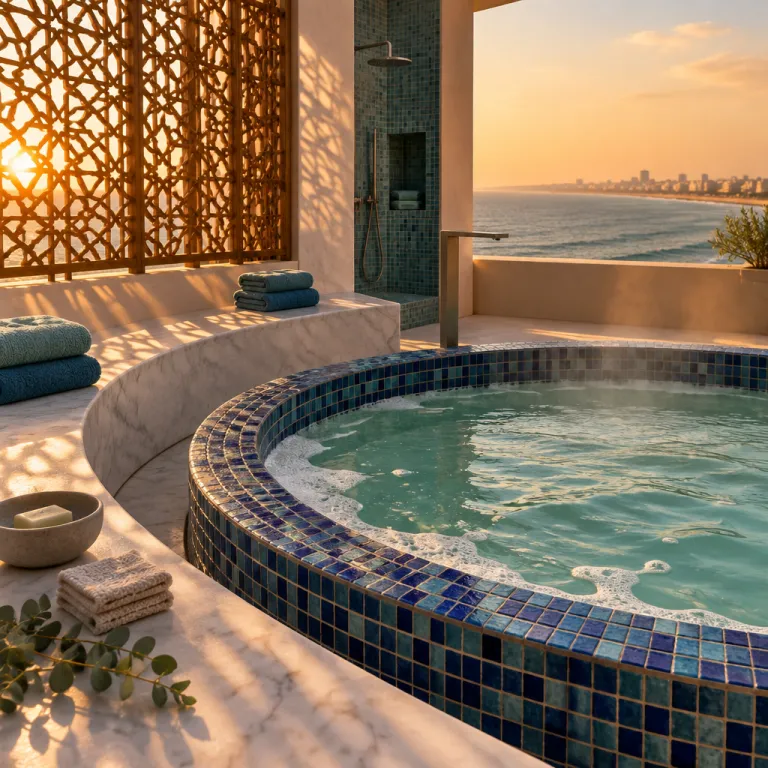
Why hammam rituals now matter in Dakar’s luxury spa hotels
The most interesting hammam spa hotels in Dakar, Senegal are not copying Istanbul or Marrakech; they are translating the ritual into the rhythm of sea breezes, Wolof teranga and the city’s coastal light. In the best spa hotels, the hammam becomes a slow, steam-filled counterpoint to traffic and the Atlantic swell, giving couples a way to reset before a long night out or a red-eye flight. When you choose a spa hotel in Dakar today, the presence of a serious hammam can tell you as much about the property’s priorities as its guest rating or its rooftop swimming pool.
Across the city’s top hotels, the hammam is now the quiet heart of the wellness circuit, sitting between the gym, the outdoor swimming deck and the treatment cabins. Luxury hotel managers in Senegal have understood that couples want more than a quick massage; they want a shared experience that feels both intimate and culturally grounded, which is why hammam suites are appearing beside the sea and in business districts. When you read good reviews for a hotel in Dakar, look for detailed mentions of the hammam ritual, not just generic comments about a spa or a small steam room.
This shift is clearest along Dakar’s popular coastal areas, where high-end spa hotels use the Atlantic light and the sound of the sea as part of the choreography. A couple might move from a warm marble hammam to a shaded swimming pool, then to a terrace overlooking the ocean for mint tea and fresh fruit. The result is a wellness experience that feels rooted in Senegal rather than imported, even when the ritual itself comes from North African bathing culture.
Inside the ritual: how a traditional hammam unfolds for couples
A proper hammam in Dakar’s better spa hotels always starts with heat, not pressure; you enter a warm, humid room where marble benches and stone basins hold the warmth like a slow drumbeat. Attendants or therapists apply savon noir, the traditional black soap made from olive paste, across the body so the skin softens before the real exfoliation begins, which is why a good spa team will never rush this first stage. Couples usually sit side by side, letting the steam work while they adjust to the pace and the intimacy of the ritual.
The second act is the kessa glove scrub, the moment that separates serious hotel spa offerings from token steam cabins. On your back, then your legs and arms, the therapist works in long, confident strokes, and in the best spa hotels this exfoliation is firm but controlled so even first-time guests feel safe rather than overwhelmed. When you read reviews for any spa hotel in Dakar or Saly, pay attention to how guest comments describe this scrub, because vague references often signal a diluted version of the hammam experience.
Rinsing comes next, with bowls of warm water poured slowly over the body, followed by a cool splash that wakes you up just as the steam has made you drowsy. Some hotels on the Dakar coastline offer couples a short rest on heated stone, with mint tea or bissap served quietly, before moving them to a massage cabin or a relaxation lounge. For many guests, this sequence turns a simple spa visit into an excellent shared memory, especially when the hotel pairs the hammam with a wider wellness program such as yoga, thalassotherapy or tailored sleep rituals, which you can explore further in a dedicated wellness traveler’s guide to Senegal’s spa retreats on mysenegalstay.com.
Cultural roots: why the hammam resonates in majority Muslim Senegal
The hammam did not originate in Senegal, yet it feels instantly at home in Dakar’s spa hotels because the country’s majority Muslim culture already values ritual cleanliness and unhurried social time. Across North and West Africa, public baths have long been places where families prepare for religious festivals, weddings or simply the week ahead, and Dakar’s hotel spas are now offering a more private, polished version of that same rhythm for international guests. When a spa property in Dakar gets good reviews from both local and foreign visitors, it usually means the team has understood this cultural bridge rather than treating the hammam as a decorative extra.
In coastal towns like Saly, where resort life meets fishing village routines, the hammam sits comfortably beside thalassotherapy and balneotherapy traditions that use sea water and marine products. Couples who split their stay between a hotel in Dakar and a resort in Saly often notice how the same hammam ritual feels different when paired with Atlantic air, a quieter beach and a slower night schedule. If you are planning a wellness-focused itinerary, it is worth reading guest rating details for both city and resort spa hotels, then comparing how each property integrates the hammam into its wider wellness philosophy, as illustrated by the balneotherapy spa at Mövenpick Hotel Saly (formerly Lamantin Beach Resort & Spa), a long-established reference on Senegal’s Petite Côte.
In Dakar, the hammam also resonates because it mirrors the social warmth of teranga, the Senegalese code of hospitality that values presence and shared time. A couple’s hammam session becomes a small ceremony, with attendants guiding you through each stage so you never feel lost, even if you are new to the ritual. That sense of being held, both physically and culturally, is what separates an excellent hammam experience from a merely good one in the city’s leading hotel spa portfolio.
How to read ratings and reviews when choosing a hammam spa hotel
When you search for hammam spa hotels in Dakar and along the Senegalese coast, the star rating is only the starting point; the real story sits in the reviews and in how guests describe their time in the wet areas. A high guest rating means little if comments mention a cramped steam room, lukewarm marble or rushed attendants, because these details directly affect the hammam ritual. Look instead for good reviews that mention attentive guidance, clean wet zones, clear explanations of each step and flexibility for couples who want to share the same cabin.
Business-focused properties like Noom Hotel Dakar or Onomo Hotel Dakar often attract travelers who arrive late at night and need a short, efficient spa circuit, while leisure-oriented resorts near the beach can stretch the hammam into a half-day ritual. When you compare hotels on the Dakar side, note whether the spa is open to external guests or reserved for in-house guests only, because this affects crowd levels and the atmosphere during peak hours. A spa hotel that limits external access may feel calmer, but a property with a popular day spa can offer more varied treatments and a livelier social scene around the swimming pool or outdoor swimming deck.
Names like Radisson Individuals or a Radisson Blu–affiliated property near Sea Plaza carry brand recognition, yet you still need to read how guests describe the hammam sequence itself. Some of Dakar’s most popular hotels focus their marketing on the sea view or the proximity to Sea Plaza mall and the coastal promenade, while the most serious spa teams quietly invest in training, authentic products and maintenance. For couples, the best hotel choice is usually the one where the spa director answers detailed questions before your stay and where the hammam is treated as a signature experience rather than a side note.
Pairing hammam rituals with Dakar’s coastal setting and culinary scene
One of the pleasures of booking a hammam in Dakar’s spa hotels is how easily the ritual flows into the city’s coastal life; you can step from steam and marble straight into Atlantic light. After a long session, many couples choose a slow walk along the seafront, letting the salt air finish what the steam began. If your hotel sits near a beach, plan your hammam for late afternoon so you emerge just as the sky softens and the city shifts toward night.
The best spa hotels understand that wellness is not confined to the treatment floor, so they curate menus that feel light yet rooted in Senegalese flavors. A post-hammam dinner built around grilled sea bass, millet salads and seasonal vegetables can feel as restorative as the spa itself, especially when the kitchen respects local sourcing and simple preparations, a philosophy explored in depth in mysenegalstay.com’s feature on how hotel chefs are reinventing Senegalese terroir. When you read reviews, notice whether guests praise the restaurant with the same enthusiasm as the spa, because a coherent approach to wellness usually shows up on both the plate and the massage table.
Properties near Sea Plaza or along the Corniche often use their swimming pool decks as informal wellness lounges, with fresh juices, herbal teas and light snacks available throughout the day. For couples, this means you can turn a single hammam appointment into a full-stay experience, moving between spa, pool, sea-view terraces and, if you wish, a quiet night in your room with the windows open to the sound of the sea. In Senegal, where the line between city and ocean is always close, the most memorable spa hotel stays are the ones that choreograph these elements into a single, unhurried day.
Practical tips for first time hammam guests in Dakar and Saly
If this is your first hammam in a Dakar or Saly spa hotel, arrive at least twenty minutes early so you can slow down before the heat; rushing from a taxi straight into steam rarely makes for a relaxed start. Most spa teams will provide disposable underwear, towels and slippers, but it is wise to confirm this when you book, especially if you are particular about fabrics or modesty levels. Couples who feel shy can request a private cabin or ask for same-gender attendants, and good spa hotels will accommodate these preferences without fuss.
Hydration matters more than many guests expect, because the combination of heat, exfoliation and rinsing can leave you light-headed if you arrive dehydrated. Drink water in the hours before your appointment, then sip herbal tea or still water afterward rather than alcohol, especially if you plan a late night or an early flight. In both Dakar and Saly, resort and city hotel spa teams are used to international guests, so do not hesitate to ask for a slower pace, lighter pressure or extra rinsing time if you need it.
Finally, think about how the hammam fits into your wider Senegal itinerary rather than treating it as a one-off indulgence. A session at the start of your stay can help you shake off jet lag, while another near the end can act as a quiet ritual before you leave the Dakar sea and the Atlantic light behind. Whether you choose a central address in the capital, a beach resort in Saly or a branded property like Noom Hotel, Onomo Hotel or a Radisson Individuals member hotel, the goal is the same; to turn a traditional bath into a modern, deeply personal wellness experience that feels both excellent and quietly, unmistakably Senegalese.
Key figures on spa and hammam travel in Dakar and Senegal
- According to the World Travel & Tourism Council, wellness-related travel in Africa has grown steadily over the past decade, with the council estimating that travel and tourism across the continent generated around US$186 billion in GDP contribution in 2019 before the pandemic, and wellness-focused trips now represent a rising share of high-end stays in coastal capitals like Dakar.
- Global Wellness Institute data shows that international wellness tourism spending reached approximately US$651 billion in 2022, with wellness travelers typically spending 35–40% more per trip than the average tourist, which aligns with the premium rates charged by leading spa hotels and resorts in Senegal’s main destinations.
- Industry reports on North African and West African hospitality indicate that properties with full-service spas, including hammam facilities, often achieve higher average daily rates than comparable hotels without dedicated wellness areas, reflecting the added value guests place on integrated wellness circuits.
- Surveys of international travelers conducted by major hotel groups such as Hilton and Marriott consistently rank access to a quality spa, swimming pool and fitness facilities among the top decision factors when choosing an urban resort or city hotel, a trend that Dakar’s upscale properties are actively leveraging.
FAQ about hammam spa hotels in Dakar and Senegal
Are hammam treatments in Dakar suitable for first time guests ?
Yes, most spa hotels in Dakar and Saly are very used to first-time guests and will explain each step before it begins. You can request lighter exfoliation, more rinsing or extra rest time between stages. If you feel unsure, choose a spa hotel with detailed reviews mentioning attentive guidance and clear communication.
What should couples wear during a hammam session in Senegal ?
Dress codes vary slightly between hotels, but most properties provide disposable underwear and towels for modesty. Couples usually keep swimwear or provided garments on, removing jewelry and watches before entering the steam room. If you have specific modesty preferences, mention them when booking so the spa team can prepare accordingly.
How long does a typical hammam treatment last in Dakar hotels ?
A classic hammam ritual in Senegal’s spa hotels usually lasts between forty-five and ninety minutes, depending on the package. Shorter options focus on steam, black soap and exfoliation, while longer sessions add massage or body wraps. Many couples choose a ninety-minute sequence so they can move through each stage without feeling rushed.
Is it better to book a hammam in Dakar or in Saly ?
Dakar offers more choice among urban spa hotels, often with easy access to business districts, Sea Plaza and the coastal promenade. Saly, by contrast, is ideal if you want a resort atmosphere with a beach focus and slower days. Many travelers split their stay, enjoying a hammam in a hotel in Dakar first, then repeating the ritual in a Saly resort for a different mood.
Do I need to tip hammam attendants in Senegalese spa hotels ?
Tipping is appreciated but not mandatory in most Senegal spa hotels, including those in Dakar and Saly. If service feels excellent, a modest cash tip handed directly to the therapist at the end of the treatment is customary. Some hotels add a service charge to spa bills, so check your receipt before deciding on any additional gratuity.