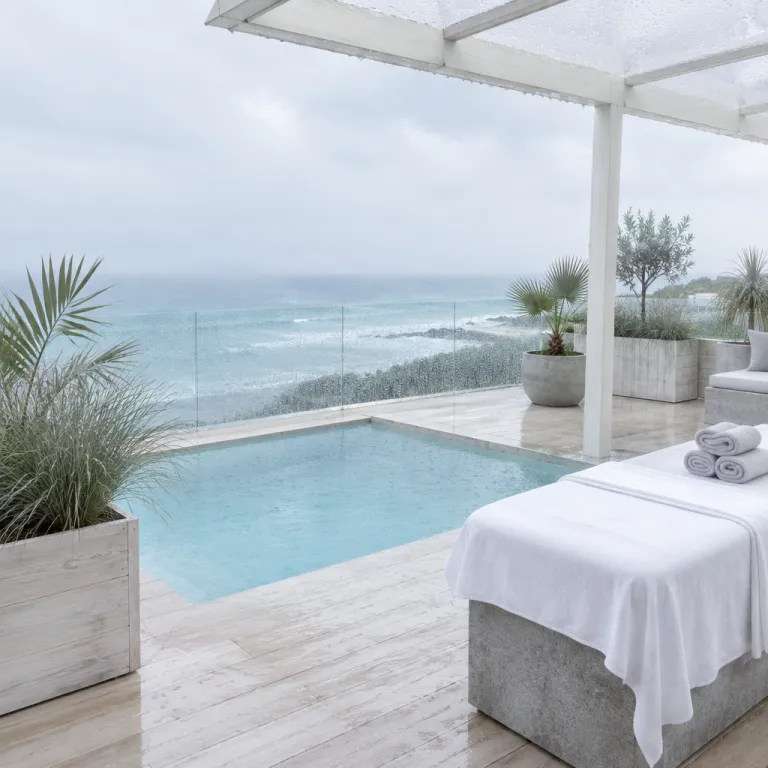
Senegal rainy season spa wellness: why July is the real opening act
When the first clouds gather over Senegal in July, spa decks empty and flight searches drop, yet this is exactly when rainy season spa retreats in Senegal quietly come into their own. For couples planning a trip to Senegal as a romantic retreat, this period between the start of the wet season and the end of October brings lower rates, softer light and a slower rhythm that suits deep rest. Luxury properties across the country use this time of year to lean into the weather, turning the sound of rain on thatch into a natural soundtrack for massage rooms and hydrotherapy suites.
Across West Africa the dry season is marketed as the best time to travel, but for wellness travelers the rainy season from June to October can be one of the best times to visit Senegal because spa teams have more time for tailored rituals and unhurried consultations. According to the Senegalese National Agency of Civil Aviation and Meteorology (ANACIM), average July weather in Dakar hovers around 27–28 °C with roughly 60–70 mm of rainfall, which means warm air, short showers and long stretches of clear sky that keep couples free to move between hammam, pool and oceanfront walks in a single day. This climate pattern repeats year after year in ANACIM’s seasonal bulletins, so you can plan a spa-focused trip to Senegal with confidence, knowing that the rainy period rarely means an entire day indoors.
Think of the country as a long, slim stage running north to south along the Atlantic, where the tropical climate shifts subtly between coastal areas, inland national park zones and the lush south. In the north, around Saint-Louis and the nearby Djoudj National Bird Sanctuary, the season extends more gently, while in the south the Casamance region turns a vivid green that feels almost like another part of Africa. For couples used to the harsher dry season light in South Africa or Namibia, the softer skies of Senegal’s rainy months create a more forgiving, spa-friendly atmosphere that flatters both skin and mood and makes time in treatment rooms feel more restorative.
Rain, light and rhythm: how the season shapes wellness experiences
Rain in Senegal during this period arrives in short, theatrical bursts, not as the all-day drizzle many travelers from North America imagine. A typical day in the wet season might start bright and clear, bring a round of heavy showers in late afternoon, then open again to a washed sky and cooler air that feels made for evening hammam sessions. Spa resorts along the coast and in resort towns have learned to choreograph their wellness programs around this rhythm, scheduling outdoor yoga and eco-friendly walks in the morning and reserving the most cocooning treatments for the hours when clouds gather.
For couples choosing the best time to visit Senegal for spa and wellness, this June to October window offers a rare combination of value and intimacy that is hard to find in the dry season. Internal pricing examples from hotels in Dakar, Saly and Cap Skirring show that nightly rates in the wet season can sit noticeably below peak-season levels, which means you can upgrade to a suite with a private terrace or book multi-day wellness packages while keeping some budget free for a side trip to Gorée Island or the pink lake of Lac Rose. Because overall travel numbers drop in this season, therapists have more time to personalize each experience, adjusting pressure, oils and herbal remedies to match your body and the weather outside, a point echoed in guest feedback on recent spa-focused reviews.
Traditional Senegalese massage often uses shea butter blended with locally sourced aromatic oils, and these textures feel especially indulgent when the air outside is heavy with the scent of wet earth. In its seasonal briefings, the Senegalese Ministry of Tourism notes that spa and wellness services increasingly “integrate local products such as shea, hibiscus and moringa into treatments” to reflect regional culture and support nearby producers. For a deeper overview of how these practices fit into the broader rainy season wellness landscape, couples can consult independent wellness traveler guides and curated review collections that map out properties by region, climate and style and highlight standout rainy season spa experiences.
Where senegal rainy season spa wellness shines: from Dakar to Saly and Casamance
In Dakar, the capital’s position on the tip of West Africa means sea breezes temper the tropical climate even when the rainy season is at its peak. Urban properties such as Noom Hotel Dakar use this weather to frame their Buddhattitude Spa as a sanctuary above the Atlantic, where hydrotherapy pools, sauna cabins and a traditional hammam feel especially inviting when showers sweep across the bay for an hour at a time. In its own materials, the hotel notes that the spa is designed as “a haven of relaxation facing the ocean,” a description that feels particularly accurate when the sky turns dramatic. Couples can spend the day moving between treatment rooms and the rooftop, then time a sunset ferry to Gorée Island for a contemplative walk once the clouds lift, following the pattern described in several recent guest reviews.
Further south along the Petite Côte, the Mövenpick Hotel Saly has built its reputation around a balneotherapy spa of roughly 490 m² that feels purpose-built for the rainy season. When the season extends from June to October, the resort’s indoor seawater pools, sensory showers and quiet relaxation areas become the heart of the property, while gardens outside turn a saturated green that contrasts beautifully with the pale sand. The hotel describes its wellness area as “a space dedicated to well-being and marine therapies,” and couples frequently structure a three-day stay around its signature rituals, alternating hydrotherapy circuits with beach walks between showers according to on-site concierge suggestions.
Head still further south and the Casamance region, edging toward the border with Guinea-Bissau, becomes one of the most atmospheric areas in all of Africa for wellness escapes. Here, small eco-friendly retreats sit between mangroves and rice fields, and after the first rains the landscape around villages like Oussouye and Cap Skirring turns so lush that even a simple outdoor shower feels like immersion in a national park. While Niokolo-Koba National Park and the Koba National Reserve in the east are more associated with wildlife viewing in the dry season, couples focused on spa and wellness often prefer the quieter coastal south, where the rainy season weather wraps each place in a soft, almost cinematic light that photographers and travel writers regularly single out in their field notes.
Planning a rainy season spa trip to Senegal: timing, health and safety
For couples flying in from the United States or Europe, the key to a successful Senegal rainy season spa wellness itinerary is to think in terms of micro seasons rather than a single monsoon block. Late June often brings the first real storms, while July and August deliver the most dramatic skies, and by late September and early October a gentler pattern of showers appears that many repeat visitors consider the ideal time to visit. Because Senegal sits on the western edge of the Sahel, the rainy period is intense but relatively short, and the rest of the year-round climate tends toward a dry season that can feel harsher on skin and energy levels.
Health and safety considerations are straightforward for this kind of trip, provided you prepare with the same care you would bring to any West Africa journey. Pack light waterproof clothing for moving between spa areas and your room, choose properties that emphasize health and safety standards and ask in advance about mosquito control measures, especially if you plan a side excursion toward Niokolo-Koba or any other inland national park. The World Health Organization and national health authorities recommend standard precautions for the region, and many spa resorts now highlight their eco-friendly practices, from water treatment systems to the responsible sourcing of massage oils and herbal infusions, in their own sustainability reports and guest information.
Many travel specialists advise couples to structure their journey around two or three anchor properties, using spa days as the calm center of a wider exploration of Senegal. One option is to start with an urban wellness stay in Dakar, add a few free days for cultural visits to Gorée Island and the pink lake, then finish with a round of longer treatments on the Petite Côte or in Casamance once your body has adjusted to the time zone and climate. For more detail on how premium properties handle amenities, service and wellness programming across both rainy and dry seasons, look for recent reviews and expert guides that compare leading hotels and their spa offerings and include firsthand comments from guests who have traveled specifically during the wet season.
FAQ
Is the rainy season a good time to visit Senegal for spa and wellness ?
The rainy season from June to October is an excellent time to visit Senegal for spa and wellness because hotel rates drop, crowds thin and the weather usually alternates between short showers and long dry spells. Spa resorts use this period to offer more personalized treatments, often incorporating the soothing sound of rain into their relaxation areas. For couples, this means more attention from therapists and a calmer overall atmosphere than during the peak dry season, as highlighted in several rainy-season guest testimonials.
Will rain disrupt my spa schedule during a trip to Senegal ?
Rain in Senegal typically comes in intense bursts lasting one or two hours, rather than continuous all-day drizzle. Most spa treatments take place indoors or under covered pavilions, so your schedule remains flexible and largely unaffected. You can plan outdoor activities in the morning, then reserve massages, hammam sessions or hydrotherapy for the times when showers are most likely, following the timing patterns described by local spa coordinators.
How does the climate differ between the dry season and the rainy season for wellness travelers ?
The dry season brings clearer skies and lower humidity but can feel hotter and dustier, especially in inland areas, which some wellness travelers find less comfortable for long spa days. During the rainy season, temperatures in coastal cities like Dakar stay warm but not extreme, and the air feels fresher after each storm. This softer climate often makes heat-based treatments such as hammam, sauna or hot stone massage more pleasant and easier to enjoy for longer sessions.
Are spa resorts in Senegal prepared for health and safety during the rainy period ?
Many luxury and premium spa resorts in Senegal work closely with local tourism boards to maintain strong health and safety standards throughout the year. During the rainy season they pay particular attention to mosquito control, water quality and the maintenance of indoor wellness areas. Travelers should still consult their doctor about routine vaccinations and bring any recommended medication, but the core infrastructure in leading properties is robust and regularly audited by national authorities.
Why do spa resorts in Senegal operate during the rainy season ?
Resorts continue operating because the rainy season creates a distinctive, tranquil ambiance that enhances relaxation and wellness experiences. As hotel and tourism representatives explain in their seasonal updates, guests enjoy soothing treatments amidst a calm, rainy environment, and this atmosphere has become a key part of the appeal for couples seeking restorative stays. The result is a growing niche of Senegal rainy season spa wellness offerings that turn what used to be a low season into a quietly luxurious one with its own loyal following.