Why Senegal works for a month-long live work stay
Senegal sits on Greenwich Mean Time (GMT), which quietly aligns your live work rhythm with both European and many African countries. For remote professionals used to juggling time zones, this GMT setting allows real-time collaboration with European équipes during the same working day, while evenings stretch into a slower Atlantic lifestyle. With the United States East Coast, overlap typically ranges from four to five hours depending on daylight saving time, which still supports regular meetings without habitual late-night calls. That balance makes a month-long workation in Senegal feel efficient yet unhurried for digital nomads and remote teams.
From New York or other major hubs, you usually route through Europe, but the final hop into Dakar is short enough to keep the overall travel period time manageable. Once you arrive, the cost living equation becomes compelling for a long stay compared with a similar extended period in coastal Europe, especially if your income is pegged to a stronger currency. Many remote workers find that the overall cost of a month in Dakar or on the Petite Côte rivals a short term week in a Mediterranean resort, particularly when they negotiate term rates directly with hotels or serviced residences and compare them with published nightly prices.
For United States travelers, the visa situation is relatively straightforward for a standard tourism stay, but you must always verify current requirements before you apply. Senegal does not currently market a specific nomad visa or a branded visa remote program in the way that Costa Rica or some Caribbean countries do, so you should treat your stay as tourism rather than formal remote work relocation. That means you need to understand the length of stay allowed on arrival, check whether a work visa is required for any in-country employment, and ensure your remote work activity remains tied to companies based abroad; the official guidance on entry conditions is published by Senegal’s Ministry of Foreign Affairs and by individual embassies.
Business leisure travelers extending a trip into a happy workation often ask how long they can stay without shifting into residency requirements. In practice, most visitors plan for one to three months, which fits comfortably within typical tourism rules and aligns with the natural rhythm of project based remote working. If you intend to stay for a longer term or to bring family members for an extended period, consult your consulate about any requirements minimum for documentation, especially if you are combining several countries in one year of travel and need clarity on multiple entries or renewals.
Choosing your base: Dakar energy or Petite Côte calm
Dakar is where remote workers who crave city energy usually start, because the capital concentrates coworking spaces, embassies and the most reliable digital infrastructure. In neighborhoods such as Plateau, Almadies and Ngor, long stay hotels and apartment-style residences for remote workation stays range from international chains to characterful guesthouses that understand what remote professionals need. Properties like Radisson Blu Dakar Sea Plaza or smaller residences in Almadies illustrate the mix of serviced units and hotel rooms available. You will want to ask directly about Wi-Fi bandwidth, backup power and whether the room layout allows you to work remotely without balancing a laptop on the bed.
For a calmer base, the Petite Côte south of Dakar offers a softer lifestyle, with long beaches and smaller coastal towns that suit a slower length of stay. Saly remains the most developed resort strip, but many remote workers now look toward Somone and its lagoon, where properties feel more residential and the cost living can be lower for a month or more. In Somone and nearby Ngaparou, small beachfront lodges and furnished villas often include kitchenettes and shaded terraces that double as outdoor offices. If you are weighing these options, this guide to Somone’s quiet lagoon as a Petite Côte alternative is a useful starting point for mapping your own extended period by the sea.
Whichever base you choose, think like a digital nomad planning both work and rest, not like a short term holidaymaker. In Dakar, you might prioritize proximity to coworking hubs and cafés that welcome remote working, while on the Petite Côte you may trade that for direct beach access and more space for family members. In both cases, ask hotels whether they offer long stay packages that allow remote workers to negotiate a better cost for a full month, and whether the property allows a flexible period time if your project runs over or if you decide to split your stay between two locations.
Some travelers split their stay between city and coast, using Dakar for the first weeks of intense remote work before shifting to Somone or Ngaparou for a quieter term. This live work pattern mirrors what many digital nomads do in Costa Rica, alternating between urban and beach bases to keep their routine fresh. Senegal’s compact geography and improving road links make that kind of multi base work remotely strategy realistic even if you are traveling with family, since transfers between Dakar and the Petite Côte can often be arranged in under two hours by private car or shuttle.
What long stay remote workers should ask hotels before booking
For a successful long stay hotel setup in Senegal, you need more than a pretty pool and a vague promise of Wi-Fi. Start by asking very specific questions about digital connectivity, including whether the hotel has fiber, what happens during power cuts, and if there is a dedicated workspace in your room. Remote workers who have learned the hard way will also ask whether the property allows them to test the connection on arrival, to receive a speed-test screenshot before confirming, and to change rooms if the signal is weak or unstable at peak hours.
Next, look beyond the desk and think about the daily cost of living work life over one or two months. A room with a kitchenette or access to a shared kitchen can dramatically reduce the cost of meals, especially if you enjoy shopping at local markets and cooking between calls. Laundry, gym access and quiet hours matter more over an extended period than they do on a short term break, particularly if you are sharing the space with family members who have their own routines. In Dakar, for example, a serviced residence with on-site laundry and a small fitness room may prove better value than a classic hotel that charges per load and per visit.
Remote professionals should also clarify the hotel’s policy on visitors, which can affect how freely you can host colleagues or clients for meetings. Some properties are happy to welcome local partners for daytime work sessions, while others apply stricter rules that may not suit a live work schedule. If you plan to bring your partner or children for a happy workation, ask whether the room layout allows separate sleep and work zones, and whether the hotel offers discounts for longer length stays that include families, such as reduced rates on connecting rooms or complimentary breakfast for children.
Finally, consider how your stay fits into a broader pattern of remote working across different countries in a single year. Senegal does not yet promote a formal digital nomad visa, so you should not expect the same administrative framework you might find in Costa Rica or other nomad visa destinations. Instead, think of your Senegal period time as part of a flexible tourism based circuit, and look for hotels that understand this new wave of remote work travelers and support community led tourism, such as those highlighted in this feature on Senegal’s community lodges and travel that gives back.
Serviced residences, aparthotels and long stay hotel wings
In Dakar and along the coast, the most comfortable long stay hotels for remote work often sit somewhere between a classic hotel and a full apartment rental. Serviced residences and aparthotels give you a private kitchen, a living area and sometimes a separate bedroom, while still providing housekeeping and front desk support. For remote workers who want hotel level service but need space to spread out, this hybrid model usually hits the sweet spot and can be easier to manage than a private rental contract in a city you do not yet know well.
Some luxury hotels now dedicate specific floors or wings to long stay guests, with preferential monthly rates and layouts designed for remote working. You might find a larger desk, better task lighting and more power outlets, along with small but meaningful touches such as ergonomic chairs and coffee machines that allow remote professionals to keep their own rhythm. Over an extended period, these details influence not only your productivity at work but also your overall lifestyle and sense of ease, especially if you are balancing client calls with family time.
When comparing options, ask each property to break down the full cost for your intended length of stay, including any taxes or service charges that apply to long term bookings. A rate that looks high at first glance may include laundry, breakfast and airport transfers, which can reduce your real cost living over one or two months. Conversely, a cheaper short term style rate might become more expensive once you add the extras that remote workers inevitably need, such as printing, meeting room access or late checkout between flights, so request a written summary of everything included.
It is also worth asking whether the property allows remote workers to downgrade or upgrade mid stay if their work remotely schedule changes. Some hotels are flexible about shifting from a one bedroom serviced unit to a studio once family members fly home, or extending your period time if a project runs longer than expected. That kind of agility matters when you are building a live work life that moves between countries, especially in a year when travel plans can change quickly and you may need to align your accommodation with shifting client timelines.
Testing connectivity and building a reliable remote work setup
Reliable connectivity is the non negotiable foundation of any long stay hotel workation in Senegal, and you should treat it as seriously as you would a contract clause. Before you commit to a month, ask the hotel to run a speed test at the exact room category you are booking, and request a screenshot so you can see both download and upload performance; for regular video calls, many remote workers aim for at least 20 Mbps down and 5 Mbps up. This will not guarantee perfect service, but it gives remote workers a realistic baseline for video calls and large file transfers and helps you compare several properties on more than just price.
Once on site, build redundancy into your remote working setup, because power and bandwidth can fluctuate in West Africa. Buy a local SIM card from a major operator at the airport or in Dakar, then use it in a portable hotspot as a backup when the hotel network slows down. Orange, Free and Expresso are among the main providers, and prepaid data bundles are widely available. Many remote professionals also carry a small power bank or travel router, which allows remote work to continue through short outages without derailing a full day of meetings or forcing you to cancel client sessions at the last minute.
Coworking spaces in Dakar’s Plateau and Almadies districts offer another layer of security for critical calls or deadlines. Even if you prefer to work remotely from your room most days, a day pass at a coworking hub can be invaluable when you need guaranteed bandwidth, printing or a professional setting for client meetings. Spaces such as Jokkolabs in Plateau or small hubs near Almadies’ embassies illustrate the growing ecosystem. Remote workers who stay for several months often blend hotel based work with a few days each week in these spaces, creating a live work rhythm that balances focus and social contact.
Remember that no digital nomad destination, whether Senegal or Costa Rica, can promise perfect connectivity every hour of the year. The goal is to choose hotels and neighborhoods where the infrastructure, staff attitude and backup options together allow remote professionals to deliver consistently over the full length of their stay. When those elements align, a happy workation stops being a marketing phrase and becomes a sustainable way to live and work across countries, with Senegal as one of several bases in your annual circuit.
Secluded coastal hideaways for focused work and slow travel
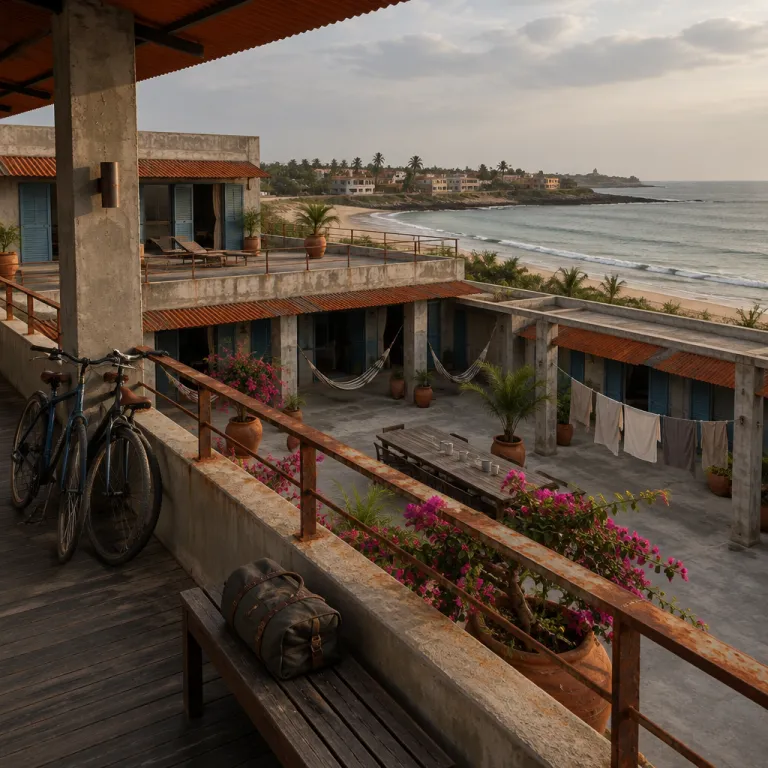
Not every remote worker wants a city buzz ; some crave secluded hideaways where the only noise is the Atlantic and the call to prayer drifting over the dunes. Along the Petite Côte and further north toward Lompoul, you will find intimate coastal lodges and small luxury properties that lend themselves to deep work and reflective evenings. These are the places where a long stay hotel by the Senegalese coast feels less like a business trip and more like a reset, especially if you schedule your most demanding projects for the quietest weeks.
When you choose a more isolated property, the requirements for a successful extended period change subtly but significantly. You will rely more heavily on the hotel’s kitchen, so the cost of full board or half board becomes part of your cost living calculation over one or two months. You also need to confirm that the property allows remote workers to use common areas for work, and that there is at least one quiet indoor space for calls when the wind picks up on the terrace or when evening events bring more guests into shared lounges.
Some travelers pair a few intense weeks in Dakar with a final month in a secluded coastal retreat, using the latter as a decompression phase after a demanding year. This pattern mirrors how digital nomads structure time in countries like Costa Rica, alternating between connected hubs and quieter beach towns to manage their energy. In Senegal, a side trip to the pink waters near Lac Rose can also provide a change of scene ; this guide to Lake Retba and its refined pink lake escapes is a useful reference when you are planning that shift in tempo and deciding how many days to spend away from your main base.
For family members joining partway through your stay, secluded hideaways can be ideal, because children can move freely and days fall into a simple rhythm of work, beach and shared meals. Just ensure that your visa status, the length of stay allowed and any requirements minimum for documentation are clear for everyone traveling. When those practicalities align with the right property, a remote work term by the Senegalese coast can become the most memorable happy workation of your year and a template for future long stays in other countries.
Visas, costs and planning a responsible long stay
Planning the administrative side of a long stay hotel workation in Senegal starts with understanding your visa options and limits. Many nationalities can enter Senegal without a prior visa for tourism, but the exact length of stay and any requirements minimum for onward tickets or proof of income vary by passport. Always check with the nearest Senegalese consulate or official government website before you apply, especially if you are combining Senegal with other countries in a single year of travel and need to coordinate different entry rules.
Unlike Costa Rica and a growing list of destinations, Senegal does not currently market a dedicated digital nomad visa that formally allows remote work for foreign companies over many months. In practice, most remote professionals treat their time in Senegal as tourism while continuing to work remotely for employers or clients based abroad, ensuring they do not engage in local employment that would require a work visa. This approach keeps your status aligned with the spirit of current rules, but you remain responsible for your own tax and legal compliance in your home country and in any jurisdiction where you are considered resident.
On the financial side, the overall cost living for a month in Dakar or on the Petite Côte can be attractive compared with equivalent coastal cities in Europe or North America. Accommodation will be your largest single cost, followed by food, transport and any school or childcare fees if family members join for part of the stay. To keep control over your budget, ask hotels for a detailed breakdown of long stay rates, including any discounts for extended period bookings and what happens if you shorten the term or extend your period time at the last minute, and compare those figures with your expected daily expenses outside the hotel.
Responsible travel also means engaging with the local economy in a way that supports, rather than distorts, community life. Choose properties that hire local staff, source food locally and contribute to neighborhood initiatives, and be transparent with your hosts about your remote working needs so they can plan their own work accordingly. Over time, this kind of respectful live work presence helps Senegal shape its own version of the digital nomad story, distinct from the models seen in other countries yet fully aligned with its tradition of teranga hospitality and with broader sustainable tourism goals.
Key figures for long stay and remote work travel in Senegal
- Senegal operates on Greenwich Mean Time (GMT), which gives remote workers full day overlap with most of Western Europe and, depending on daylight saving time, roughly four to five hours of shared working time with the United States East Coast, making it easier to schedule meetings without habitual late night calls.
- According to World Bank data on Senegal’s GDP growth, the country has recorded several years of expansion above the global average in the past decade, reflecting ongoing investment in infrastructure that indirectly benefits digital connectivity and long stay tourism; the latest figures are available in the World Bank’s Senegal country overview and data portal.
- World Bank and national regulator statistics indicate that mobile penetration in Senegal exceeds 100 subscriptions per 100 inhabitants, and 4G coverage continues to expand along the coast, which supports the use of local SIM cards and hotspots as backup connections for remote work and video conferencing.
- International arrivals to Senegal have grown over the past decade, with tourism authorities reporting several hundred thousand visitors annually before recent global disruptions, a base from which the country is now beginning to court longer term remote professionals and slow travelers through targeted campaigns and infrastructure upgrades.
- Average temperatures along the Senegalese coast typically range between 20 °C and 30 °C across the year, according to national meteorological data, creating a stable climate that suits month long stays without the extreme heat or cold that can disrupt daily work routines or force you indoors for long periods.
FAQ about long stay hotels and remote work in Senegal
How long can I stay in Senegal for a workation without a special visa ?
The permitted length of stay depends on your nationality and current immigration rules. Many travelers enter visa free for tourism and can remain for several weeks or months, but you must confirm the exact period time with the Senegalese consulate before traveling. If you plan an extended period or multiple entries within a year, seek written guidance to avoid overstaying and keep copies of any official emails or advisories with you when you travel.
Are Senegal’s hotels reliable for remote work and video calls ?
In Dakar and the main coastal areas, many mid range and luxury hotels now offer Wi-Fi strong enough for standard remote work, including video conferencing. However, connectivity can vary by property and even by room, so always request a recent speed test and ask about backup power solutions. For critical meetings, consider using a coworking space or a mobile hotspot as a secondary connection, and aim for a minimum of 10–20 Mbps download and 5 Mbps upload for smooth calls.
Is Senegal a good option for digital nomads compared with Costa Rica or other countries ?
Senegal offers a compelling mix of GMT time zone, improving digital infrastructure and a rich cultural lifestyle, which suits remote professionals who value both work and place. Unlike Costa Rica, it does not yet promote a formal digital nomad visa, so you must operate within tourism rules and avoid local employment. For travelers comfortable with that framework, the combination of coastal living, city energy and relative cost living can be very attractive, especially if you plan to rotate between several countries in one year.
What should I look for in a hotel if I plan a month long stay ?
Prioritize a proper desk, reliable Wi-Fi, natural light and enough space to separate sleep and work zones. Over a month, amenities such as kitchen access, laundry, gym facilities and quiet common areas often matter more than a dramatic lobby. Ask about long stay rates, any discounts for remote workers and the hotel’s flexibility if your term needs to be extended or shortened, and request a written confirmation of what is included in the monthly price.
Can I bring my family on a long stay workation in Senegal ?
Many hotels and serviced residences in Dakar and along the Petite Côte welcome family members for extended stays, and some offer multi bedroom units or connecting rooms. When planning, check visa requirements for each person, confirm school or childcare options if needed, and ensure the property’s layout supports both family life and focused remote work. A clear conversation with the hotel about your live work expectations usually leads to a smoother, happier workation for everyone, especially over a full month or more.