Dakar’s cosmopolitan table for the food focused traveler
Dakar is where any serious Senegal food guide or regional cuisine travel story begins. The capital concentrates Senegalese cuisine, French brasseries, Lebanese grills and West African canteens in a compact, ocean facing grid that rewards slow exploration. Give yourself time in Dakar; you will find that every day reveals another dish, another street food stand, another reason to extend your stay.
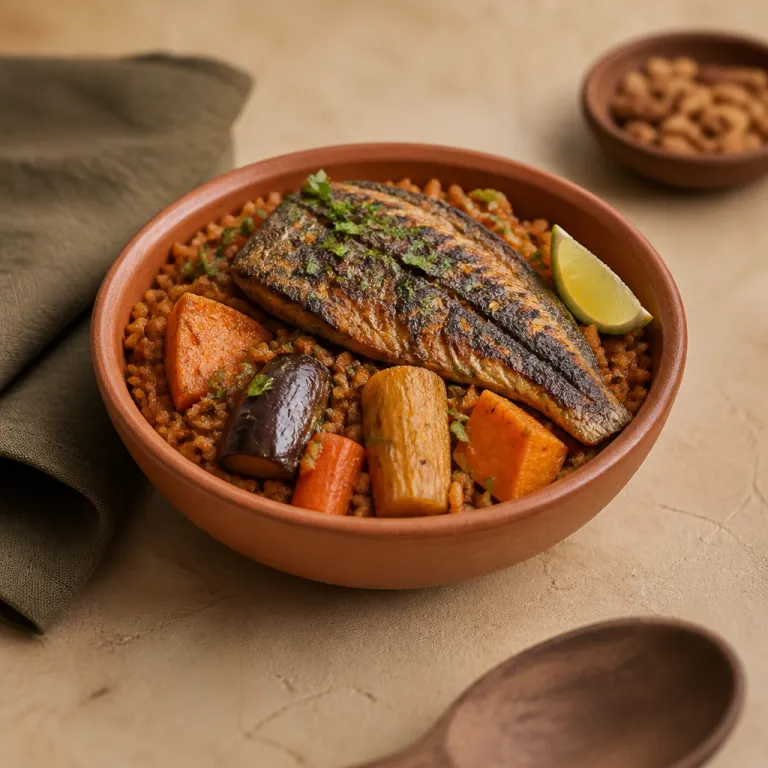
For travellers planning to visit Senegal with a mid to high budget, basing yourself near the Corniche or in the Plateau puts you close to both fine dining and late night street food. Around Place de l’Indépendance and along the Corniche Ouest, grilled fish and fish rice plates arrive with scarlet tomato sauce, while nearby cafés serve white rice with refined, lighter takes on the national dish that locals call thieboudienne. Often described as a generous fish and rice preparation cooked in a tomato based broth with vegetables, this emblematic plate was inscribed in 2021 on UNESCO’s Representative List of the Intangible Cultural Heritage of Humanity, and it anchors almost every thoughtful Senegal food guide or regional itinerary.
In Dakar’s Plateau and Almadies districts, you will find polished dining rooms where Senegalese chefs work with local farmers and food vendors to reinterpret classic dish Senegal recipes. At places such as Restaurant Le Lagon 1, La Calebasse or the beachside tables in Ngor, menus lean on the Atlantic for fish, but also on the dry Sahel interior for millet, sorghum and dairy, creating a bridge between coastal and inland food traditions. When you read any travel guide to West Africa, Dakar often appears as the best place to understand how a river of influences from Europe, the Maghreb and wider West African trade routes shaped modern Senegalese cuisine.
The street food circuit is essential for anyone using a Senegal food guide or regional cuisine travel plan as a lens on daily life. Start with dibi, smoky grilled meat served with mustard and onions at spots like Dibi Diallo in Medina, then move to fataya, deep fried pastries filled with fish in tomato sauce, eaten standing at high counters with office workers on their lunch break. Aim for vendors with steady queues, watch that food is cooked to order and served hot, and carry small bills for quick payment; these simple rules keep your day focused on pleasure rather than logistics.
Luxury hotels in Dakar now understand that guests do not come only for a pool and a view, but for a curated introduction to Senegal food that feels both authentic and comfortable. Many properties offer guided market visits with in house Senegalese chefs, followed by cooking classes where you prepare thieboudienne or another rice based dish Senegal travellers love, using traditional cookware and local ingredients sourced from Marché Kermel or Marché Sandaga. For visitors booking through dedicated local travel services, pairing these culinary experiences with seamless luxury hotel transfer services in Senegal turns a complex city into an easy, food first playground.
Saint Louis and the Senegal River valley: where water shapes the plate
North of Dakar, Saint Louis sits between ocean and river, and every serious Senegal food guide or regional cuisine travel plan should reserve time here. The former capital rests on an island linked by iron bridges, a place where you will find pastel houses, fishing pirogues and a slower rhythm that suits travellers who like to walk. The city and the wider Senegal River valley form a distinct region where fish, rice and smoke define the table.
Along the riverfront, grills send up fragrant clouds as vendors prepare mulet braisé and other fish dishes that differ from the ocean focused plates in Dakar. Here, the river moderates the dry climate, and local people have long balanced fish rice combinations with vegetables grown in fertile floodplains, often finished with a light tomato sauce rather than the deeper, urban versions. When you read a travel guide to West African river towns, Saint Louis stands out for this interplay between water, trade and Senegalese cuisine.
Many luxury and premium hotels on the island now build their menus around daily catches from the river, working closely with local farmers upstream. At addresses such as La Résidence or Hôtel de la Poste, you will find tasting menus that move from delicate river fish to richer dish Senegal classics, always anchored by rice and vegetables that speak to the region’s agricultural strength. This is where a Senegal food guide or regional cuisine travel narrative becomes very concrete; you can trace your plate back along the river to the communities that produced it.
Beyond the city, excursions along the Senegal River valley often combine birdwatching in nearby reserves like the Djoudj National Bird Sanctuary with lunches in small villages, where Senegalese chefs cook over wood fires. Some itineraries include visits to a national park, pairing wildlife with meals that highlight cereal based dishes from the drier interior, reminding travellers that West Africa is not only about coastal fish. For visitors who want to understand how food, ecology and culture intersect, this region offers some of the best structured experiences in all of Senegal.
Hotel dining programs here increasingly reflect an innovation mindset, fusing traditional and modern techniques without losing the soul of Senegal food. A recommended read before you arrive is the feature on how hotel chefs are reinventing terroir, available through a number of Senegal focused travel resources under the article how hotel chefs are reinventing Senegalese terroir. It will help you frame each dish, each glass of ataya tea, as part of a broader Senegal food guide and regional cuisine travel journey rather than an isolated meal.
Casamance and Cap Skirring: lush flavors at the edge of the forest
Fly south from Dakar in about one hour or take the long road, and Casamance feels like another country within Senegal, which is exactly why any Senegal food guide or regional cuisine travel plan must include it. The region is greener, the air more humid than the dry Sahel, and the river and bolongs create a maze of waterways that feed both agriculture and imagination. Travellers who choose Cap Skirring as a base will find wide beaches, discreet luxury hotels and a food culture that leans into abundance.
Casamance is famous across West Africa for palm wine, fresh oysters harvested from mangrove roots and Diola forest cuisine built around smoked fish, leafy sauces and rice. Here, Senegalese cuisine feels intensely local; you will find dishes that rarely appear in Dakar, even though they still rely on the familiar pairing of fish and rice or white rice with vegetables. Many menus feature a regional take on the national dish, with fish rice cooked in a lighter tomato sauce and perfumed with forest herbs, a reminder that dish Senegal traditions adapt to landscape.
Cap Skirring’s higher end hotels now compete to offer the best interpretation of Casamance flavors, often in collaboration with local farmers and food vendors from nearby villages. A typical day might start with fruit from the region, continue with a market visit in Ziguinchor’s Marché Saint-Maur or Marché Tilène and end with a tasting menu that traces the Casamance River from source to mouth. For travellers using a Senegal food guide or regional cuisine travel framework, this is where you see how one country can hold multiple culinary identities without contradiction.
Beyond the coast, excursions into Diola villages introduce you to forest cooking techniques and the social role of food in community life. Palm wine tastings, oyster harvests in the bolongs and shared meals under fromager trees show how local people integrate river, forest and field into a coherent food system. When you later read any travel guide to West African gastronomy, these Casamance experiences will give you a reference point that goes far beyond restaurant reviews.
Dakar may host the headline events, such as the ambitious restaurant week chronicled in the article what Dakar restaurant week reveals about the city’s culinary ambition, but Casamance offers the quiet confidence of a region that knows its worth. For visitors balancing budget and experience, splitting time between Dakar and Casamance lets you compare cosmopolitan polish with deeply rooted regional cooking, all within one Senegal food guide and regional cuisine travel arc. The contrast between the two regions, both in food and in rhythm, is precisely what makes Senegal such a compelling destination for food literate travellers.
The Sahel interior and the meaning of thieboudienne
Turn inland from the coast, and Senegal’s Sahel interior shifts the Senegal food guide and regional cuisine travel narrative from fish to grains. Here, the climate is dry for much of the year, and people have long relied on millet, sorghum and other cereals to build sustaining dishes. You will find preparations such as lakh, couscous sénégalais and millet porridge, often served with dairy from pastoral Fulani communities, offering a different expression of Senegalese cuisine than the coastal plates.
In towns that sit on routes between Dakar and the interior national park areas, small restaurants and family tables serve cereal based dishes that speak to resilience and adaptation. Travellers going by road toward destinations like Kaolack, Tambacounda or the Niokolo-Koba National Park will find that a simple bowl of millet with fermented milk can be as memorable as any elaborate fish rice dish, especially when shared with local people who explain the role of these foods in daily life. This is where a Senegal food guide or regional cuisine travel approach becomes anthropological, showing how food reflects environment and history.
Even here, far from the Atlantic, the national dish thieboudienne remains a reference point, though often reserved for special occasions. Thieboudienne is commonly defined as a rice and fish dish cooked in a seasoned tomato base with vegetables. That official definition, used by Senegalese Culinary Association experts and echoed in UNESCO documentation, now carries extra weight since the dish joined the UNESCO Intangible Cultural Heritage list, placing Senegal food firmly on the global cultural map. When you taste it in a Sahel town, perhaps with white rice and a slightly different tomato sauce profile, you feel how a single dish Senegal families cherish can unite very different regions.
Luxury lodges near wildlife reserves and national park gateways increasingly integrate these interior traditions into their menus. You will find tasting sequences that move from millet based starters to fish rice mains, sometimes using dried fish to echo the dry landscape, then finishing with ataya, the three stage tea ceremony that signals welcome and reflection. For travellers who value context, this layering of coastal and inland elements turns a simple dinner into a compact Senegal food guide and regional cuisine travel lesson.
Market visits in interior towns are less polished than in Dakar or Saint Louis, but they reward patience. You will find sacks of grains, local dairy, dried fish and seasonal vegetables, all handled by food vendors who understand exactly how each ingredient fits into Senegalese cuisine. Travellers who take time to ask questions, often with the help of local guides or hotel staff, come away with a deeper respect for how West African food systems function beyond the tourist trail.
Heritage, markets and hotel dining: how to eat region by region
Any serious Senegal food guide or regional cuisine travel plan should treat heritage sites and markets as dining companions, not separate activities. On Dakar’s ferry to Île Gorée, a UNESCO World Heritage site, you will find vendors selling snacks that reflect both coastal abundance and the island’s layered history. A walk through Gorée’s alleys, followed by a plate of fish and rice with bright tomato sauce, connects the national dish to centuries of trade and memory.
In Saint Louis, the island itself feels like a living heritage site, and the best way to understand it is to pair architectural walks with market visits. You will find stalls piled with river fish, vegetables from the valley and spices that link Senegal to wider West African routes, all of which later reappear on hotel menus in more polished form. For travellers using a travel guide as a starting point, these markets turn abstract descriptions of Senegal food into tangible, fragrant reality.
Casamance markets, especially in Ziguinchor, showcase the region’s particular strengths, from smoked fish to seasonal fruits and palm products. Here, local people move easily between river and forest ingredients, and you will find that even simple street food snacks carry the imprint of the region’s identity. A thoughtful Senegal food guide or regional cuisine travel approach encourages you to taste widely, always balancing curiosity with respect for hygiene and local customs.
Across Senegal, luxury and premium hotels are no longer content to serve generic international menus, and this shift benefits travellers. Many properties now partner with Senegalese chefs, local farmers and culinary schools to design menus that reflect their specific region, whether that means river fish in Saint Louis, Casamance oysters in Cap Skirring or millet dishes near the Sahel edge. Tasting tours, cooking classes and guided market visits have become standard offerings, aligning with the broader rise in culinary tourism and the goal to support sustainable tourism through food.
For visitors planning their visit Senegal itinerary, the most rewarding strategy is to think of the country as a sequence of edible landscapes. Start with Dakar’s cosmopolitan table, move to Saint Louis and the Senegal River valley, continue to Casamance and Cap Skirring, then loop through the Sahel interior, letting each region’s food guide your travel rhythm. Along the way, you will find that time, place and plate merge into a single, coherent Senegal food guide and regional cuisine travel story that lingers long after the last cup of ataya has been poured.
FAQ: regional food and hotel dining in Senegal
What is Senegal’s national dish and where should I try it ?
The national dish of Senegal is thieboudienne, a generous fish and rice preparation often cooked in a rich tomato sauce with vegetables. You can try excellent versions in Dakar, Saint Louis and Casamance, with each region offering a slightly different balance of spices and textures. For a deeper experience, choose hotels that offer cooking classes, so you can learn how this emblematic dish Senegal families share fits into daily life.
Is Senegalese food very spicy for most travellers ?
Some dishes are mildly spicy; others are not. Heat usually comes from condiments served on the side, so you can adjust to your taste, which makes Senegalese cuisine accessible even if you prefer gentle flavors. When in doubt, ask your server or hotel staff to guide you toward milder options, especially on your first day.
Are there vegetarian options in Senegalese cuisine ?
Yes, dishes like mafe can be made vegetarian. Many hotels and higher end restaurants in Dakar, Saint Louis and Cap Skirring now offer vegetable based plates built around rice, millet or white rice with seasonal produce. When you book, mention your preferences so the kitchen can plan, particularly if you are travelling to more remote region areas where menus are smaller.
How can I safely enjoy street food during my trip ?
Street food is central to any Senegal food guide or regional cuisine travel experience, especially in Dakar and Casamance. Choose busy stalls where food turns over quickly, watch how vendors handle ingredients and start with cooked items like grilled fish or hot pastries. Respect local dining customs, try street food cautiously, stay hydrated; this simple checklist keeps most travellers comfortable.
Do luxury hotels in Senegal really serve local and regional dishes ?
Many luxury and premium hotels across Senegal now integrate local ingredients and regional recipes into their dining programs. In Dakar, you will find refined takes on thieboudienne and other Senegal food classics, while in Saint Louis and Casamance, menus lean into river fish, oysters and forest inspired dishes. When choosing where to stay, look for properties that mention partnerships with local farmers, Senegalese chefs and market based experiences in their travel guide style descriptions.