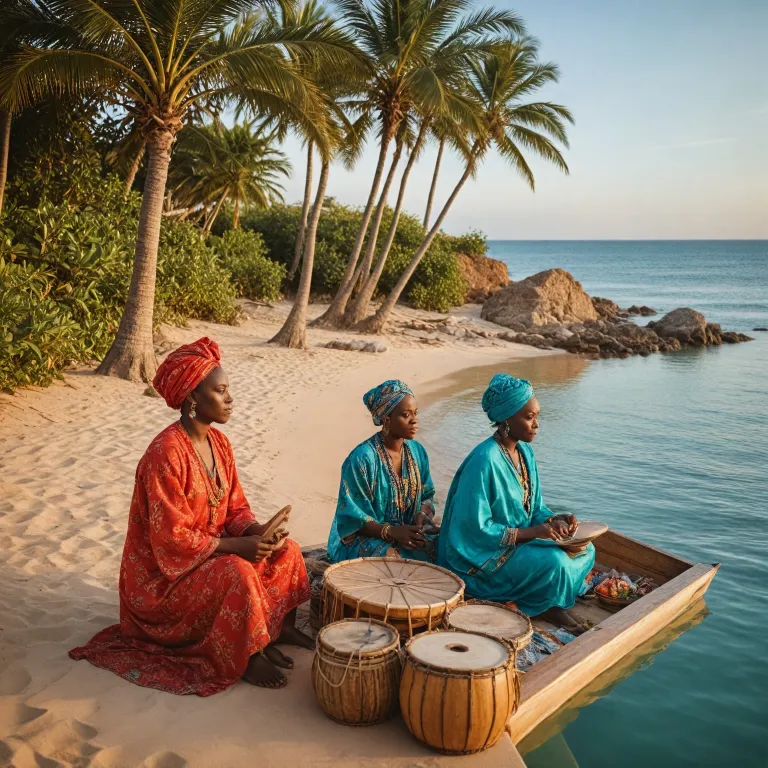
What Senegal is known for in west Africa today
Senegal is a coastal country in west Africa that blends Atlantic light, layered history, and a refined hospitality scene. Travellers asking what is Senegal known for usually hear about music, hospitality, and the energy of Dakar. Yet the answer also includes protected landscapes, UNESCO recognition, and a growing network of luxury and premium hotels.
The Republic Senegal stretches from the Senegal River in the north to the lush Casamance region in the south, wrapping around Gambia and the lower Gambia River. This geography shapes what the country is known for in west African travel, from bird sanctuaries to palm lined beaches. For guests booking high end stays, it means short transfers between cultural landmarks, coastal resorts, and rural retreats.
In Dakar Senegal, the capital city, the Atlantic corniche and modern skyline sit beside French colonial villas and lively markets. The population reflects many ethnic groups, but Wolof is widely spoken and increasingly visible in media and public life. This linguistic shift coexists with French, the official language, which still anchors administration, higher education, and much of the luxury hotel communication.
When travellers ask what is Senegal known for, many hosts answer with one word ; teranga, the celebrated Senegalese sense of welcome. In practice, this hospitality shapes how staff greet guests, how chefs design menus, and how concierges curate experiences. For premium hotel booking, understanding teranga helps visitors read beyond star ratings and focus on service culture.
Senegal’s government and partners work actively to protect the country’s cultural and natural assets. Conservation programs, ecotourism initiatives, and cultural festivals support both national pride and international visibility. These efforts matter directly for travellers, because they influence where new luxury properties open and how responsibly they operate.
Heritage, UNESCO sites and meaningful day trips from Dakar
Many travellers first learn what Senegal is known for through its UNESCO World Heritage Sites. The most emblematic is Gorée Island, often written as Goree Island, a short ferry ride from Dakar that feels like a step into another era. “Visit the Island of Gorée to understand the history of the slave trade.”
The pastel houses and quiet streets of Goree Island contrast sharply with its role in the transatlantic slave system. “The Island of Gorée is a poignant memorial to the Atlantic slave trade, featuring preserved colonial houses and the House of Slaves, symbolizing the history of millions transported during that era.” Today, many premium hotels in Dakar Senegal curate a guided day trip there, pairing historical context with thoughtful pacing. This is central to what is Senegal known for among culturally engaged visitors.
Further north, Saint Louis is another UNESCO heritage site, a former capital of French West Africa with elegant balconies and riverside views. Luxury and premium properties here often occupy restored mansions, allowing guests to sleep inside the history they came to experience. From Saint Louis, travellers can reach the Djoudj National Bird Sanctuary, where ecotourism lodges focus on low impact comfort.
In the Saloum Delta and Bassari Country, UNESCO recognition supports both conservation and carefully managed tourism. These landscapes show another side of what is Senegal known for ; mangroves, islands, and rural areas where traditional life continues. High end ecolodges here tend to be smaller, with a strong emphasis on community partnerships and guided nature activities.
For travellers seeking secluded hideaways in Senegal, luxury and premium hotel booking for discerning travelers is increasingly straightforward thanks to specialized platforms. One detailed resource on secluded luxury hideaways in Senegal highlights how remote lodges integrate with surrounding villages and ecosystems. These stays help guests understand what is Senegal known for beyond its cities, while still enjoying refined comfort.
From Dakar’s art scene to Lac Rose and coastal retreats
For many visitors, the first direct answer to what is Senegal known for is its contemporary art scene. Dakar hosts major exhibitions, galleries, and design studios that draw collectors from across Africa and Europe. This creative energy spills into hotel lobbies, where curated collections of Senegalese and west African works frame check in desks and lounges.
Luxury and premium hotels in Dakar Senegal often collaborate with local artists to create site specific installations. This approach turns a stay into an informal gallery visit, and it also supports the integration of traditional craftsmanship into contemporary art scenes. For guests wondering what is Senegal known for culturally, these properties offer an immediate, visually rich answer.
Just outside the capital, Lac Rose (Lake Retba) is another emblem of what the country is known for. Its pink waters, shaped by algae and salt concentration, shift with light and wind, creating a striking backdrop for day trip excursions. Many high end hotels arrange private transfers, guided walks, and carefully timed visits to avoid the busiest hours.
Along the Petite Côte and beyond, coastal resorts showcase another dimension of Senegalese hospitality. Here, what is Senegal known for includes long sandy beaches, fresh seafood, and a relaxed rhythm that contrasts with Dakar’s pace. Premium properties balance international standards with african design cues, from woven textiles to carved wood.
For couples planning a refined escape, Senegal honeymoon hotels and romantic escapes provide curated options. These guides help guests align expectations about privacy, spa facilities, and access to cultural sites with what is Senegal known for in terms of warmth and service. They also highlight how coastal hotels can arrange intimate visits to Goree Island or Lac Rose without sacrificing comfort.
Languages, culture and the meaning of teranga for hotel guests
Understanding what is Senegal known for requires attention to language and daily life. The official language is French, a legacy of French West Africa, and it remains central in administration and many urban schools. However, “Wolof is increasingly used in daily communication, media, and even government institutions, reflecting a movement to reclaim cultural identity and reduce colonial influence.”
This rise of Wolof matters for travellers choosing luxury and premium hotels. Staff in Dakar and major coastal areas usually speak French and English, but they switch naturally into Wolof with colleagues and local guests. For visitors asking what is Senegal known for socially, this multilingual ease reflects a confident, modern west African identity.
The concept of teranga, often translated as hospitality, is another key to understanding the country. It shapes how people welcome strangers, share food, and manage obligations within extended families. In hotels, teranga appears in small gestures ; a staff member walking you personally to a taxi, or a chef adapting a menu to dietary needs without fuss.
Senegal’s population includes many ethnic groups, from Wolof and Pulaar to Sérère, Diola, and others in Casamance and rural areas. Each group contributes to what is Senegal known for in music, dance, and ritual, and these influences filter into hotel entertainment programs and curated excursions. Guests can attend traditional performances or visit craft workshops, often arranged through concierge teams.
Religious life also shapes the rhythm of the country, with Sufi brotherhoods such as the Mouride order playing a visible role. Pilgrimage events in Touba and other national gatherings affect travel flows, hotel occupancy, and pricing patterns. For premium travellers, understanding these calendars helps align stays with either vibrant cultural moments or quieter, more contemplative periods.
Regions, rivers and rural escapes beyond Dakar
Beyond the capital, what is Senegal known for includes varied landscapes shaped by rivers and trade routes. The Senegal River in the north and the Gambia River cutting through Gambia have long linked rural areas with coastal ports. Today, they frame itineraries that combine heritage towns, wildlife reserves, and discreet high end lodges.
In the north, the Senegal River valley leads towards Saint Louis, where French colonial architecture meets african rhythms. Luxury and premium hotels here often occupy riverfront locations, offering sunset cruises and guided walks through historic districts. For travellers asking what is Senegal known for outside Dakar, this blend of water, history, and music is a compelling answer.
Further south, Casamance is renowned for its lush vegetation, rice fields, and strong cultural identities. The region’s ethnic groups maintain distinctive rituals and festivals, which careful travellers can experience through community based tourism. High end ecolodges here emphasize low density construction, local employment, and respectful engagement with surrounding villages.
In many rural areas, infrastructure remains limited, which directly affects luxury and premium hotel booking. Transfer times can be longer, and some properties operate with generators or solar systems rather than full grid connections. Yet for guests who want to understand what is Senegal known for beyond its urban façade, these stays offer rare access to daily life.
National policies, shaped by the Senegalese Government and offices such as the prime minister, aim to balance tourism growth with environmental and cultural protection. Ecotourism initiatives and legislation for heritage site conservation influence where new properties can be built. For travellers, this means that some of the most sensitive landscapes remain relatively uncrowded, preserving the sense of space that defines many rural retreats.
Planning luxury and premium stays in a country of heritage
When planning a high end trip, many guests still ask what is Senegal known for compared with other west African destinations. The answer combines UNESCO heritage recognition, coastal beauty, and a strong tradition of Senegalese hospitality. It also includes a hotel landscape that is evolving quickly, especially in Dakar, the Petite Côte, and selected inland hubs.
In Dakar Senegal, international brands sit alongside independent luxury addresses, each interpreting teranga in their own way. Some emphasize spa and wellness, others focus on gastronomy or curated art collections. For travellers comparing options, it helps to read beyond star ratings and look closely at how each property connects guests with what is Senegal known for locally.
Outside the country, case studies from other coasts can also inform expectations. A detailed review of a refined family resort experience on the Cornish coast illustrates how thoughtful design, family friendly services, and spa facilities can coexist. Travellers can use similar criteria when evaluating premium hotels in west Africa, from room layouts to children’s programs.
Within Senegal, the national tourism strategy increasingly highlights sustainable practices and community partnerships. Conservation programs for heritage sites, educational campaigns, and international collaborations with bodies like UNESCO all influence where and how hotels operate. For guests, this means that choosing certified or clearly responsible properties supports the very landscapes and cultures they came to experience.
Finally, travellers should remember that statistics only tell part of the story, even when they show a high percent of visitors concentrating in Dakar and coastal zones. The lived reality of what is Senegal known for emerges in conversations with staff, guides, and artisans across the country. Listening carefully, and allowing time for unstructured encounters, often becomes the most memorable luxury of all.
Key statistics and essential questions about Senegal
Several quantitative indicators help clarify what is Senegal known for in terms of heritage and society. The population speaking Wolof in Senegal is estimated at around 12 000 000 people, underlining the language’s central role in daily life and media. This figure also explains why many hotel teams in Dakar and beyond operate comfortably in both French and Wolof.
Heritage recognition is another way to understand the country’s global profile. Senegal counts seven UNESCO World Heritage sites, including Goree Island, Saint Louis, the Saloum Delta, and the Bassari cultural landscape. These designations reinforce what is Senegal known for internationally ; a blend of history, culture, and biodiversity.
Nature based tourism also shapes travel patterns and hotel development. The Djoudj National Bird Sanctuary receives around 1 500 000 visitors annually, a significant percent of whom combine birdwatching with stays in Saint Louis or nearby ecolodges. For luxury and premium travellers, this demand encourages the creation of properties that balance comfort with low impact design.
What are the main cultural attractions in Senegal ? Senegal boasts several UNESCO World Heritage Sites, including the Island of Gorée, Saint-Louis, and the Saloum Delta. The Great Mosque in Touba and the vibrant markets in Dakar are also notable.
What is the significance of the Island of Gorée ? The Island of Gorée is a poignant memorial to the Atlantic slave trade, featuring preserved colonial houses and the House of Slaves, symbolizing the history of millions transported during that era. Many travellers include it as a core element when exploring what is Senegal known for historically.
How is the Wolof language influencing Senegalese society ? Wolof is increasingly used in daily communication, media, and even government institutions, reflecting a movement to reclaim cultural identity and reduce colonial influence. This linguistic shift appears clearly in hotels, where signage, greetings, and entertainment often weave together Wolof, French, and English.
Key statistics about Senegal
- Number of UNESCO World Heritage Sites in Senegal ; 7 sites officially recognized.
- Annual visitors to Djoudj National Bird Sanctuary ; approximately 1 500 000 visitors.
- Population speaking Wolof in Senegal ; around 12 000 000 people.
Essential questions about what Senegal is known for
What are the main cultural attractions in Senegal ?
Senegal boasts several UNESCO World Heritage Sites, including the Island of Gorée, Saint-Louis, and the Saloum Delta. The Great Mosque in Touba and the vibrant markets in Dakar are also notable.
What is the significance of the Island of Gorée ?
The Island of Gorée is a poignant memorial to the Atlantic slave trade, featuring preserved colonial houses and the House of Slaves, symbolizing the history of millions transported during that era.
How is the Wolof language influencing Senegalese society ?
Wolof is increasingly used in daily communication, media, and even government institutions, reflecting a movement to reclaim cultural identity and reduce colonial influence.
Sources ; Senegalese Government (www.gouv.sn), UNESCO (whc.unesco.org), Mouride Brotherhood (www.touba.org).
