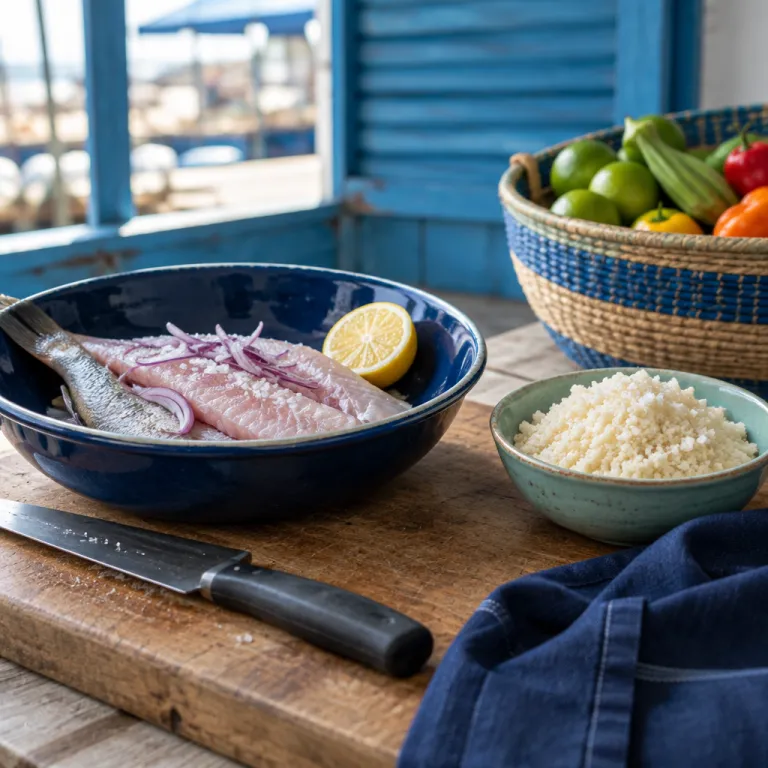
Why Senegal’s hotel cooking class market tour is the new luxury essential
In Senegal’s best coastal and city properties, a Senegal hotel cooking class market tour has quietly become the most talked about amenity. For many guests, the most vivid experience is no longer the infinity pool but the morning they followed a speaking guide through Soumbédioune’s fish stalls and carried still warm baguettes back to a family kitchen. This shift reflects a deeper appetite for connection, where a hotel stay is judged by how well it opens the door to local life rather than how high the thread count runs.
Across Dakar, Saly, Mbour and Saint Louis, luxury concierges now propose curated market-to-table cooking sessions that unfold in a single day. A typical tour begins with an English speaking guide who will meet your family in the lobby, outline the course of the morning, and explain which ingredients will anchor the cooking class menu. The details will vary by property, yet the structure remains reassuringly clear for parents planning around naps and pool time.
These hotel hosted cooking classes are designed with a maximum group size in mind, often eight to ten guests, which keeps the experience intimate and hands on. A professional guide will lead you through the market, then a local chef will take over in the kitchen and will teach you how to handle herbs and spices with Senegalese confidence. By the time the shared meal is served at a long communal table, even shy children usually want to plate the last garnishes themselves.
Dakar to Saint Louis: how the experience shifts with each market and island
In Dakar, a Senegal hotel cooking class market tour often starts at Marché Kermel or Soumbédioune, where the energy is high and the choice of ingredients feels almost theatrical. Your English speaking guide will steer you through the crush, translating banter, weighing fish, and helping you learn which herbs and spices define thiéboudienne, yassa or mafé. For families, this guided navigation keeps the experience exhilarating rather than overwhelming.
Further north in Saint Louis, the rhythm softens and the tour leans into history as much as flavor. Here, a hotel arranged class might cross the bridge to the island, where colonial era facades frame quieter markets and the chef will talk about how river and ocean shape the daily catch. The Senegal hotel cooking class market tour in Saint Louis often includes a short post lunch stroll through sandy backstreets, giving children space to run while adults absorb the layered architecture.
Down in Casamance or on the Petite Côte, some lodges pair cooking classes with pirogue rides or village walks, turning a half day course into a full day immersion. One operator notes that the average duration of workshops is four hours, which suits families who want depth without sacrificing beach time or rest. If you are planning a broader adventure around the dry season finale, these culinary days pair naturally with more active excursions highlighted in this round up of five adventures to book before the rains arrive.
Inside the kitchen: from market basket to shared family table
Once the market bags are full, the Senegal hotel cooking class market tour shifts to its most intimate phase, when doors open onto a private kitchen or a local family courtyard. Here, guests move from observers to participants, washing rice, pounding parsley and garlic, and learning how a chef will balance acidity and heat in a single pot. Children usually gravitate toward simple tasks, while adults handle the heavier cooking under close guidance.
Many programs partner with local Senegalese families, so your class becomes a cultural exchange as much as a course in recipes. Professional guides stay nearby to translate, yet the real language is the way everyone leans over the same table, tasting sauces and adjusting herbs and spices until the host nods approval. As one Dakar based chef working with Sahel Découverte likes to tell guests, “you do not just taste Senegal here, you help cook it,” a reminder that the meal reflects both your effort and your hosts’ generosity.
For hotels, these cooking classes are not a subject change from luxury but an extension of it, reframing comfort as meaningful contact rather than excess. A typical Senegal hotel cooking class market tour will teach you at least one complete dish from scratch, and you will receive printed notes or a post stay email so you can repeat the meal at home. When you later recreate thiéboudienne in your own kitchen, the memory of that shared table in Dakar or Saint Louis often feels more vivid than any formal tasting menu.
How to choose the right hotel-led tour for your family
Selecting the best Senegal hotel cooking class market tour for a premium family stay starts with clarity about your children’s ages and attention spans. Some hotels frame the activity as a compact half day course, ideal for younger guests who will tire quickly in the heat and noise of a market. Others design full day itineraries that fold in village visits or island crossings, better suited to teenagers who can handle a longer, more layered experience.
Ask your hotel which markets they use, how many guests they accept per class, and whether the chef will adapt recipes for dietary needs. A strong program will provide an English speaking guide from start to finish, ensure that you will meet local vendors in a respectful way, and confirm that the meal will be shared family style rather than plated in a formal restaurant setting. Clarify whether you will receive written recipes, because those notes become a practical souvenir long after the trip ends.
For bookings managed through operators such as Sahel Découverte, communication usually runs by email, with clear contact details provided on their printed or digital materials. Their current brochures indicate typical group sizes of six to ten participants and around eight to twelve workshops per month in peak season. Do not hesitate to ask for precise information about transport, hygiene standards and what is included in the price, from ingredients to guide fees.
Pricing, etiquette and the wider rise of Senegalese culinary tourism
On a luxury or premium itinerary, a Senegal hotel cooking class market tour usually sits in the same price band as a private city tour or a guided island excursion. Recent sample quotes from Dakar based partners show rates starting around €70–€90 per adult for small group sessions, with private family days rising to €120–€150 depending on duration and location. Many operators now run around ten workshops per month, a sign of how quickly demand for these experiences has grown.
When you book, remember that you are entering a domestic space, so etiquette matters as much as payment. Dress modestly, ask before taking photographs, and be ready to share the work as well as the meal, because Senegalese hospitality assumes that everyone at the table contributes something. For a deeper sense of how food and welcome intertwine here, this feature on how thiéboudienne earned UNESCO heritage status offers essential context.
These hotel anchored cooking classes sit within a broader wave of culinary tourism that is reshaping how travelers engage with West Africa. As one operator explains in their own materials, Thieboudienne, Yassa and Mafé remain the backbone of many workshops, and all skill levels are welcome, while contact with tour operators like Sahel Découverte remains the simplest way to arrange a place. In practice, that means a first time visitor and a seasoned home cook can stand side by side at the same table, each leaving with a different but equally rich experience of Senegal’s kitchens.
FAQ
What dishes are typically prepared during a hotel-led cooking class?
Most Senegal hotel cooking class market tour programs focus on emblematic recipes such as thiéboudienne, chicken or fish yassa, and peanut rich mafé. Depending on the chef and the season, guests may also learn simple salads, fritters or desserts that showcase local fruits and herbs and spices. Hotels usually confirm the planned menu in advance, so families can choose a class that matches their tastes.
Are these cooking classes suitable for beginners and children?
Workshops are designed so that all skill levels feel comfortable, from absolute beginners to confident home cooks. An English speaking guide and patient chef will break each recipe into manageable steps, assigning easier tasks to younger guests and more complex cooking to adults. Safety is prioritized, with close supervision around knives, hot oil and open flames.
How long does a typical market-to-table experience last?
The average duration of a Senegal hotel cooking class market tour is around four hours, including the market visit and the shared meal. Some hotels offer shorter, two hour classes without a full market tour, while others extend the day with village walks or island boat rides. When booking, ask clearly about the timetable so you can plan pool time, naps and other excursions around the course.
How can I book a hotel-led cooking class or market tour?
You can usually reserve directly through your hotel concierge, who will coordinate with local partners and confirm the maximum group size. For more specialized itineraries, tour operators such as Sahel Découverte arrange combined market visits and home based cooking classes across Dakar, Saly and Saint Louis. Always request written confirmation that an English speaking guide and all ingredients are included in the price.
What should I wear and bring to a Senegalese market and cooking day?
Comfortable, modest clothing and closed shoes are recommended for navigating busy markets and standing during the cooking class. Bring cash in small denominations for any personal purchases, plus a hat and water for the hotter hours of the day. Hotels usually provide all necessary utensils and ingredients, so you only need curiosity and a willingness to share the table with your hosts.