From ceebu jën to UNESCO: why thiéboudienne now defines luxury stays
Thiéboudienne’s inscription on the UNESCO Intangible Cultural Heritage list changed how serious travelers read a hotel menu in Senegal. When a national dish of rice and fish joins a global heritage list, it stops being just food and becomes a lens on cultural identity and hospitality. The story behind thieboudienne unesco senegal now quietly separates hotels that understand Senegalese culture from those that only stage it.
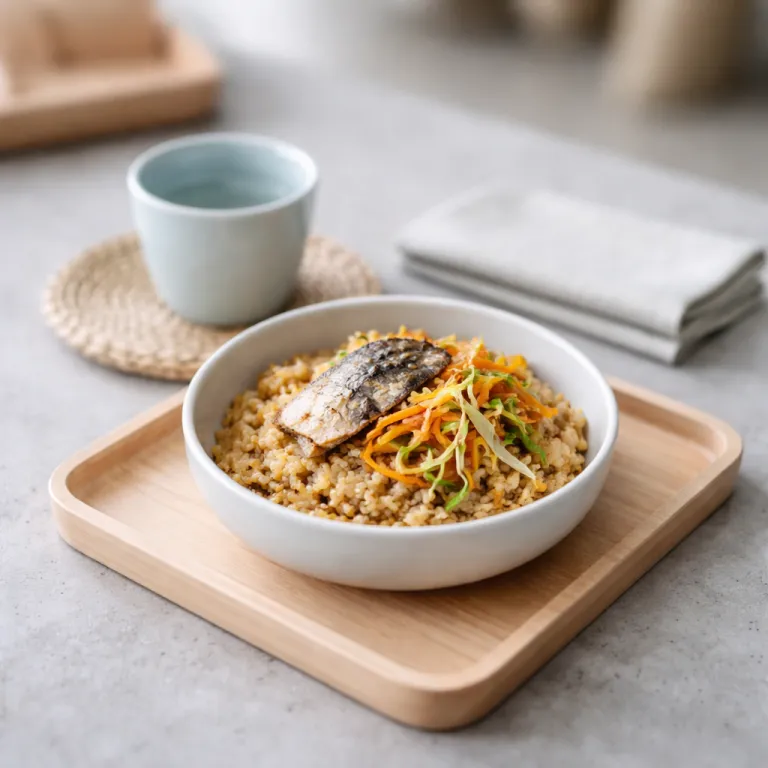
The dish itself is deceptively simple ; a generous platter of broken rice simmered in a tomato based broth, layered with fish, vegetables and often dried fish for depth. In Wolof, ceebu jën or thiebou dieune literally means rice fish, yet the technique and ingredients reflect centuries of west African trade, adaptation and resilience. UNESCO recognition of this dish from Senegal was not a marketing move but a safeguard for intangible cultural heritage rooted in everyday life.
Ask any cook in Saint Louis and you will hear the same origin story ; a woman named Penda Mbaye, working in the city Saint Louis during the nineteenth century, turned a shortage of imported rice into innovation by using local broken rice instead. That pivot from polished grains to broken rice created a new texture and helped define the future Senegal national dish. Today, luxury hotels that serve thiebou or ceebu jen without acknowledging this history miss the deeper cultural heritage that food literate travelers now expect to taste.
UNESCO’s decision also reframed how Senegal positions itself against better known west African food narratives built around jollof rice. While jollof and jollof rice remain beloved across the region, thiéboudienne from Senegal carries a different weight as a source pride formally recognized as heritage of humanity. For couples planning a romantic escape, choosing a property that treats this dish from Senegal as a living ritual rather than a token buffet item is now a meaningful act.
UNESCO Intangible Cultural Heritage elements already number in the hundreds worldwide, yet thiéboudienne stands out as the first west African food to enter that circle. That matters for every luxury and premium hotel in Senegal that wants to speak credibly about local culture and not just African aesthetics. When a national dish joins the UNESCO heritage conversation, guests start asking sharper questions about where the fish was sourced, who prepared the rice, and how the kitchen understands teranga.
Teranga on a plate: how thiéboudienne rewrites hotel hospitality codes
Teranga, the Senegalese philosophy of generous welcome, is not an abstract cultural slogan ; it is encoded in how a family shares a single large dish of rice fish at lunch. Around a steaming platter of fish rice, each person leans in, negotiates space and adds small gestures of care, like pushing the best pieces of fish or vegetables toward a guest. When hotels in Senegal translate this ritual into plated fine dining, they risk losing the communal soul that made thieboudienne unesco senegal worthy of recognition.
UNESCO recognized thiéboudienne, Senegal's national dish, to preserve and promote Senegal's culinary heritage. That sentence should sit, metaphorically, above every pass in a luxury kitchen that dares to serve ceebu jen to international guests. The point is not to freeze a recipe but to protect a way of cooking, serving and eating that expresses intangible cultural values.
In practice, that means more than listing thiebou dieune under a French translation on a room service menu. A thoughtful hotel in Dakar might invite a senegalese cook from a nearby family compound to lead a small lunchtime ceremony, explaining in Wolof and English how to eat from a shared dish without breaking etiquette. Another property in the city Saint Louis could stage a terrace lunch where couples sit side by side at a single bowl of rice and fish, guided by a host who grew up eating ceebu jen every Friday.
For luxury travelers, this is where the difference between generic african food and a specific dish from Senegal becomes tangible. You are no longer tasting anonymous jollof or a pan west African curry but a carefully prepared national dish that carries stories of Penda Mbaye, of Saint Louis markets and of women stirring large communal pots with a wooden spoon. The UNESCO heritage label then feels less like a logo and more like a quiet guarantee that what you are eating belongs to a living community.
Our in depth guide on how thiéboudienne earned UNESCO heritage status and what that reveals about Senegalese hospitality at mysenegalstay.com unpacks this shift for travelers who plan their stays around food. Couples who read it before booking often choose hotels that host small group cooking sessions rather than only offering a polished tasting menu. They understand that the most memorable luxury in Senegal is often the moment when a chef invites you behind the pass to add the last ladle of sauce over the rice fish yourself.
Where hotel kitchens get thiéboudienne right – and where the street still wins
Walk into a five star property in Dakar and you will probably find a refined version of ceebu jen on the signature restaurant menu. The plating is elegant, the fish is filleted, and the vegetables are carved into precise shapes that photograph beautifully for travel articles and social feeds. Yet many senegalese guests will quietly tell you that the best thiebou or thiebou dieune still comes from a family courtyard or a modest canteen near the port.
The gap starts with ingredients and heat. Traditional cooks in Saint Louis or in the older districts of Dakar use large communal pots over wood or charcoal, layering fresh fish, dried fish, vegetables and rice so the starch absorbs every flavor. Hotel kitchens, constrained by ventilation systems and safety rules, often cook the rice and fish separately, then add sauce at the end, which can flatten the depth that made thieboudienne unesco senegal worthy of global attention.
Another tension lies in timing. In homes across Senegal, the national dish is eaten at a fixed hour, and the whole day bends around that shared meal. Luxury hotels, built on room service flexibility, try to offer ceebu jen at any time, which can push kitchens toward reheating rather than slow cooking. Couples who care about cultural heritage should not be afraid to ask a concierge when the kitchen actually cooks the dish senegal style from scratch.
Some properties are closing this gap with intelligence and humility. A riverside address in the city Saint Louis might schedule a single daily seating for fish rice, inviting guests to join staff at a long table rather than isolating them at two tops. In Dakar, a design forward hotel could partner with a nearby women’s cooperative, letting them cook the rice fish off site over wood fire, then finishing plating in house to meet hygiene standards.
If you want a deeper framework for choosing such stays, our feature on cultural inspirations for discerning travelers lays out how to read a property through its food program. It argues that in Senegal popular opinion now judges luxury hotels less by the size of the pool and more by how they handle a single national dish anchored in UNESCO heritage. For couples, that means the most romantic dinner might be a shared bowl of ceebu jen on a rooftop at sunset, cooked by someone whose grandmother still calls it thiebou jen or dieune in Wolof.
Planning a thiéboudienne led itinerary: from Dakar tables to Saint Louis courtyards
Designing a trip around thieboudienne unesco senegal is not about chasing a checklist of restaurants. It is about moving through the country in a way that lets you taste how rice, fish and vegetables change from one kitchen to another while the core cultural gesture stays constant. For a couple, that can be the spine of a romantic journey that feels both intimate and anchored in place.
Start in Dakar, where high end hotels blend senegalese and French techniques on their menus. Ask for the ceebu jen at the main restaurant, then request to see the list of ingredients and where the fish was caught, because transparency is now part of responsible luxury. A serious property will be proud to explain how it sources broken rice from local mills, uses both fresh and dried fish for complexity, and trains its équipe to cook the dish senegal way rather than diluting it into generic african food.
Then head north to the city Saint Louis, where the story began. Here, smaller premium lodgings often have closer ties to families who still cook thiebou dieune in courtyards, stirring huge pots with a wooden spoon while children run around. Joining such a meal, even once, shows why UNESCO saw this as intangible cultural heritage and why the dish remains a source pride and heritage of humanity for the senegalese people.
Along the way, you will notice how conversations about jollof and jollof rice surface naturally when west African travelers compare plates. Some will argue that a well made jollof dish rivals any rice fish preparation, while others insist that the national dish of Senegal holds a different emotional charge. What matters for you as a traveler is to taste both, ask questions and let those meals guide which hotels feel genuinely plugged into local life.
By the time you fly home, the phrase thieboudienne unesco senegal will mean more than a line in cultural articles or a UNESCO heritage press release. It will evoke specific tables, faces and hotel teams who treated a humble dish of rice and fish as a serious expression of teranga. That is the kind of memory no infinity pool can match, and it is exactly what mysenegalstay.com was built to help you find.
Key figures shaping thiéboudienne focused travel in Senegal
- UNESCO’s Intangible Cultural Heritage list currently includes 584 recognized elements worldwide, and thiéboudienne is one of the few food traditions from west African countries to appear there, which elevates the profile of Senegal’s national dish among global travelers (source : UNESCO).
- The formal recognition of thiéboudienne as part of Senegal’s cultural heritage was designed to safeguard traditional cooking methods and tools, such as large communal pots and wooden spoons, and this preservation goal now influences how luxury hotels frame their culinary programs (source : UNESCO and Senegalese Ministry of Culture).
- Growing global interest in african cuisines has contributed to increased culinary tourism to Senegal, with food motivated visitors forming a rising share of the country’s more than two million annual arrivals, which encourages premium hotels to feature ceebu jen and related dishes more prominently on menus (source : national tourism data and international travel reports).
- Saint Louis, located at approximately 16.03° North and 16.50° West, is widely cited as the birthplace of thieboudienne, and its historical role means that many travelers now include at least one night in the city Saint Louis specifically to experience the dish in its original urban context (source : regional cultural archives).