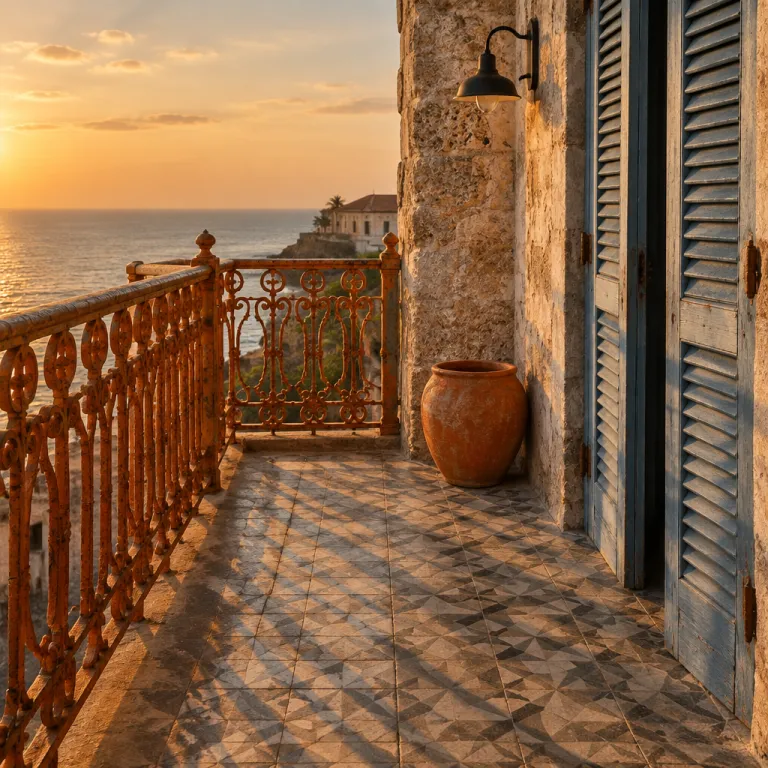
Staying in Dakar for a refined journey to Gorée Island
Gorée Island sits just off the coast of Dakar, yet the emotional distance feels immense. Many people choose to base themselves in refined hotels in Dakar, Sénégal, then sail across to the island for a day shaped by memory and reflection. This combination of urban comfort and historical depth turns a simple stay into a layered travel experience.
Luxury hotels in Dakar Sénégal line the waterfront and central districts, giving guests easy access to the ferry terminal that connects Dakar to Gorée Island. From a sea view suite you can often see the island’s silhouette, then step into a chauffeured transfer that brings you to the pier in minutes. For travellers who value time, this proximity means more unhurried hours on Gorée and fewer logistical worries.
The ferry from Dakar to Gorée Island usually takes about 20 minutes, yet it crosses centuries of history. As the boat leaves the coast behind, you watch the skyline fade while the pastel houses of the island grow clearer. Many people use this short crossing to read about the history of the slave trade in Sénégal West Africa and prepare themselves emotionally.
High end hotels in Dakar often provide concierge teams trained to brief guests on the history slave narrative before they visit the heritage site. Staff can arrange private guides on Gorée Island, timed entries to the museum spaces, and even photographers to help you take respectful photos that honour the millions Africans who passed through this place. This level of curated service is especially valuable for travellers combining business in Dakar Sénégal with meaningful cultural travel.
For those planning a longer itinerary across Sénégal West regions, starting in Dakar and then heading to Gorée before going inland works particularly well. You can spend your first nights in a luxury property overlooking the waters between the city and the island, then continue towards Saint Louis or the remote southeast. This structure lets people process the emotional weight of the UNESCO heritage site before immersing themselves in the country’s wilder landscapes.
Many premium booking platforms now highlight Gorée Island as a key historical site within their Sénégal collections. When you filter for five star properties in Dakar, look for mentions of curated excursions to the UNESCO listed island and partnerships with certified local guides. These details show that the hotel understands both the comfort expectations of luxury guests and the ethical responsibilities attached to such a charged place.
Gorée Island’s historical landmarks and how to visit them in comfort
Once you step onto Gorée Island, the calm streets and car free lanes contrast sharply with its painful history. The setting feels almost Mediterranean, with bougainvillea climbing over colonial houses and the sea glittering between alleyways. Yet every stone carries echoes of the slave trade that reshaped Africa and the wider world.
The most emblematic house on the island is the Maison des Esclaves, often translated as the House of Slaves. This compact building, painted in soft tones, holds a museum that traces the history slave experience along the Atlantic coast. Inside, people move quietly between cramped rooms where enslaved Africans were once held before crossing the ocean.
In the Maison des Esclaves museum, guides explain how millions Africans were torn from their homes and forced through ports like Gorée Sénégal. The famous Door of No Return frames the ocean, symbolising the final threshold for each slave who left Africa forever. Many visitors now speak of a personal door return, using their travel to honour those who never came back.
Beyond this central house, the island UNESCO landscape includes former colonial forts, gun batteries, and administrative buildings. Walking these paths with a knowledgeable guide helps you understand how the site functioned within wider networks of slave trade and commercial exchange. The contrast between military architecture and the fragile dignity of the House of Slaves is striking.
Luxury travellers often want time and space to absorb this history without rushing between groups. Booking a private guide through your Dakar hotel or a specialised agency allows you to visit the heritage site early in the morning or late in the afternoon, when the light softens and the crowds thin. This timing also gives photographers better conditions for respectful photos that focus on atmosphere rather than spectacle.
After the museum visit, many guests choose a quiet terrace for a simple lunch overlooking the water. From there, you can reflect on how this small island once stood at the centre of Atlantic trade routes that reshaped Africa, Europe, and the Americas. For curated suggestions on where to sleep and eat after visiting the museum, specialised travel resources such as guides to where to sleep, eat and watch the light change on Gorée can be particularly helpful.
Choosing luxury and premium stays for a meaningful Gorée itinerary
Planning a refined trip that includes Gorée Island starts with choosing the right base in Dakar. The best luxury hotels understand that guests are not only seeking comfort but also context, especially when visiting a UNESCO heritage site linked to the slave trade. Look for properties that combine discreet service with thoughtful cultural programming.
Many high end hotels along the coast Dakar offer sea facing rooms where you can see the island in the distance. From these vantage points, the line between present day travel and the history of slaves crossing the Atlantic becomes more tangible. Some properties, such as the Radisson Blu Hotel, Dakar Sea Plaza, host evening talks with historians who explain how Sénégal Goree fits into the broader story of Africa and the diaspora.
When comparing premium options in Dakar Sénégal, pay attention to how each property handles excursions to Gorée Sénégal. A strong concierge team will arrange timed ferry departures, private transfers, and guides who are trained to speak sensitively about the millions Africans affected by the history slave narrative. This level of planning helps people focus on reflection rather than logistics.
For travellers who want to extend their journey beyond Dakar and Gorée, combining coastal stays with inland retreats offers a richer sense of Sénégal West diversity. After a day on the island, you might continue towards the interior, where new lodges blend wilderness with comfort. Curated itineraries such as those described in specialised routes from Dakar to Gorée Island and beyond, for example in refined stays and meaningful journeys in Sénégal, can help structure such a trip.
Some luxury properties in Dakar now collaborate with local cultural institutions on Gorée Island, including the museum teams at the Maison des Esclaves. These partnerships may include private after hours visits, small group discussions, or opportunities to meet artists whose work engages with the legacy of the slave trade. Such experiences turn a standard excursion into a deeper encounter with the island UNESCO heritage.
When booking through a premium platform, read carefully how the hotel describes its connection to Gorée and other heritage site locations. Transparent language about responsible tourism, respect for local communities, and support for preservation efforts is a positive sign. In this context, luxury is not only about thread counts and spa menus but also about how thoughtfully your stay engages with the history of Africa and its people.
Ethical photography, memory, and the emotional weight of Gorée
Many visitors arrive on Gorée Island with cameras ready, yet quickly sense that this is not a typical photo stop. The streets are visually beautiful, but the knowledge that slaves once walked these same paths changes how people frame their images. Ethical photography becomes part of honouring the site.
Inside the Maison des Esclaves, rules about photos vary, and it is wise to ask your guide or museum staff before lifting a camera. Some areas, especially near the Door of No Return, feel too charged for casual snapshots, as they symbolise the final passage for each slave leaving Africa. Many travellers choose to keep their cameras off in these rooms, focusing instead on listening and reflection.
Outside, the colonial houses of island Gorée, with their ochre walls and wooden balconies, invite more open photography. When taking photos in the streets, remember that Gorée Sénégal is also a living community where people work, study, and raise families. Always ask permission before photographing residents, especially children, and avoid turning daily life into a backdrop for travel images.
Luxury hotels in Dakar often brief guests on respectful behaviour before they visit the heritage site. Concierges may suggest focusing on architectural details, seascapes, and wider views that convey the atmosphere of the island UNESCO setting without intruding on private grief. This approach allows you to return with meaningful photos that support memory rather than spectacle.
Some travellers now create personal rituals of door return, standing quietly near the ocean and reflecting on the millions Africans who passed through the Atlantic slave trade. In these moments, cameras often feel secondary to silence, and many people later say that the images they did not take remain the most vivid. Sharing only a few carefully chosen photos, with thoughtful captions about history slave narratives, can be more powerful than posting dozens of casual shots.
When you review your photos back at your hotel in Dakar Sénégal, the contrast between contemporary comfort and the harsh past of Sénégal West ports becomes clear. This tension is part of what makes travel that links Dakar and Gorée so affecting for visitors of African descent and others alike. Handling your images with care is one way to respect both the heritage site and the living community that now calls the island home.
Extending your journey beyond Gorée: from coastal history to inland wilderness
A stay that includes Gorée Island often becomes the emotional anchor of a wider trip through Sénégal. After confronting the history of slaves and the legacy of the slave trade, many travellers feel drawn to see more of the country’s landscapes and cultures. Thoughtful itineraries balance time on the coast Dakar with journeys inland.
From Dakar Sénégal, it is easy to combine a day on island Gorée with later excursions to Saint Louis, Sine Saloum, or the remote southeast. Each region offers its own perspective on how Africa has moved beyond the trauma of the history slave era while still honouring memory. Luxury lodges and guesthouses in these areas increasingly work with local communities to create experiences that feel both comfortable and grounded.
For travellers seeking a deeper connection with Sénégal West nature, the Kedougou and Bassari Country region offers dramatic hills, waterfalls, and traditional villages. Carefully curated routes, such as those highlighted in guides to where Sénégal’s last wilderness meets its first lodges, for example on Senegal’s last wilderness and its first lodges, show how premium stays can coexist with authentic cultural encounters. This kind of journey contrasts sharply with the dense urban energy of Dakar and the compact streets of island Sénégal.
When planning such combinations, many people choose to start with Gorée Sénégal, then move gradually into quieter landscapes. The emotional intensity of the Maison des Esclaves and the heritage site as a whole can be draining, and time in nature helps travellers process what they have learned. Luxury properties that understand this arc may offer wellness programmes or reflective spaces designed specifically for guests returning from the island UNESCO visit.
Throughout these journeys, the thread that links Dakar, Gorée Island, and inland regions is the resilience of Africans who rebuilt lives after centuries of slave trade disruption. Meeting contemporary artists, musicians, and community leaders shows how people have transformed pain into creativity and activism. For many visitors, this living culture becomes as memorable as the historical landmarks themselves.
Premium booking platforms that specialise in Sénégal now curate multi stop itineraries that weave together Goree Dakar, Saint Louis, Sine Saloum, and Kedougou. When evaluating these offers, look for clear information about travel times, local partnerships, and how each stay contributes to preservation or community projects. In this way, your journey honours both the past of the millions Africans affected by the history slave period and the present day aspirations of Sénégal West communities.
Practical tips for booking luxury stays around Gorée Island
Securing the right hotel for a Gorée Island focused trip starts with understanding the geography of Dakar. Most ferries to island Gorée depart from the central port area, so staying in a luxury property within a short drive saves time and stress. Many high end hotels now list their distance to the ferry terminal as a key feature.
When browsing premium booking platforms, filter first for properties in Dakar Sénégal that highlight cultural or historical experiences. Descriptions that mention curated visits to Gorée Sénégal, partnerships with the Maison des Esclaves museum, or support for UNESCO heritage projects indicate a deeper engagement with the site. This is especially important for travellers who want their stay to align with ethical and educational values.
Consider how each hotel handles logistics for the day trip to Dakar Goree. Some properties offer private transfers to the port, pre purchased ferry tickets, and reserved guides on island Sénégal, which can be invaluable during busy periods. Others may provide flexible breakfast times or late checkouts so people can adapt their schedule around the ferry timetable.
For guests who value privacy, suites with sea views towards the island create a powerful visual link between present comfort and past suffering. Watching the small ferries cross between the coast Dakar and the island UNESCO silhouette becomes a daily reminder of the history slave narrative. Many travellers find that this perspective deepens their appreciation of both the city and the heritage site.
It is also worth checking how hotels address the emotional impact of visiting a place so closely tied to the slave trade. Some luxury properties offer access to wellness facilities, quiet gardens, or even on site counsellors and chaplains for guests who need space to process their experience. This level of care recognises that travel to Gorée Island is not only about sightseeing but also about confronting difficult chapters in the history of Africa and its people.
Finally, pay attention to cancellation policies and flexibility, especially if you plan to visit multiple regions of Sénégal West after Dakar Goree. Weather, ferry schedules, or personal emotions may lead you to adjust the timing of your island visit. A premium booking that allows changes without heavy penalties gives you the freedom to move at the pace that feels right for such a meaningful journey.
Understanding Gorée’s place in African and global memory
Gorée Island holds a symbolic weight that far exceeds its small physical size. For many Africans and members of the diaspora, the island Sénégal represents both a wound and a place of remembrance. Visiting as part of a carefully planned trip from Dakar Sénégal turns abstract history into something felt in the body.
Historians continue to debate the exact numbers of slaves who passed through Gorée Sénégal compared with other ports, yet the consensus is clear about the scale of suffering. Across the Atlantic world, millions Africans were captured, sold, and transported in conditions that defy imagination, and Gorée formed one node in this vast network of slave trade. The Maison des Esclaves museum and other heritage site installations help people grasp how individual lives were shattered by these systems.
Walking through the colonial streets of island Gorée, you see layers of history in every house and courtyard. Some buildings once used for trade or administration now host artists’ studios, guesthouses, or small cafés, showing how people have reclaimed spaces once linked to the history slave period. This coexistence of memory and daily life is part of what makes Goree Dakar so compelling.
UNESCO recognised Gorée Island as a World Heritage Site because of its role in the history of the Atlantic slave trade and its well preserved urban fabric. The island UNESCO designation helps protect the architecture and supports educational programmes that reach visitors from across Africa and beyond. For travellers, this status signals that the site is not only beautiful but also globally significant.
Luxury and premium travel around Dakar Goree can either deepen or dilute this significance, depending on how it is handled. When hotels and tour operators frame Gorée Sénégal as a place for reflection rather than entertainment, they help guests engage with the legacy of millions Africans who suffered under the slave trade. Responsible travel choices turn comfort into a tool for understanding rather than escape.
For many people, the most powerful moment of their visit comes not at the famous Door of No Return but during a quiet pause afterwards, perhaps on a bench overlooking the coast Dakar. In that stillness, the distance between Africa and the Americas feels both vast and strangely close. Returning to a refined hotel in Dakar Sénégal after such a day, travellers often say that their sense of luxury has changed, shaped forever by the stories carried across the waters between the city and Gorée Island.
Key figures and context for Gorée Island and the Atlantic slave trade
- UNESCO inscribed Gorée Island as a World Heritage Site to recognise its role in the Atlantic slave trade and its preserved urban fabric, underscoring its global significance for collective memory (UNESCO World Heritage Centre).
- Historians estimate that between 12 and 13 million Africans were deported across the Atlantic during the transatlantic slave trade, with West African coasts such as Sénégal West forming major embarkation zones (Trans-Atlantic Slave Trade Database, Emory University).
- The ferry crossing between Dakar and Gorée Island typically takes around 20 minutes, making it an accessible day trip from luxury hotels in Dakar while still feeling emotionally distant from the modern city (Port Autonome de Dakar information).
- Visitor numbers to Gorée Island have grown steadily over recent decades, with large numbers of people arriving annually to see the Maison des Esclaves and other landmarks, reflecting rising interest in heritage tourism and memory sites across Africa (Senegalese Ministry of Culture reports).
FAQ about Gorée Island and luxury stays in Dakar
How long should I plan for a visit to Gorée Island from Dakar ?
Most travellers allocate a full day for Gorée Island, including ferry crossings from Dakar, guided visits to the Maison des Esclaves and other historical sites, and time for reflection or a leisurely meal. The ferry ride itself takes about 20 minutes each way, but queues and guided tours extend the schedule. Luxury hotels in Dakar can help you structure the day to avoid peak crowds.
Is Gorée Island suitable for children and families ?
Families do visit Gorée Island, but the subject matter is emotionally heavy and focuses on the history of slaves and the Atlantic slave trade. Parents should consider the age and sensitivity of their children and prepare them in advance with age appropriate explanations. Some guides are experienced in adapting their narrative for younger visitors while maintaining respect for the heritage site.
What should I wear and bring for a day trip to Gorée Island ?
The island Sénégal climate is warm and often humid, so light clothing, a hat, and comfortable walking shoes are essential. Bring water, sun protection, and a respectful attitude, especially when visiting the Maison des Esclaves and other memorial spaces. Many visitors also carry a small notebook for reflections rather than relying only on photos.
Can I stay overnight on Gorée Island or is it better to sleep in Dakar ?
There are small guesthouses on island Gorée, but most luxury and premium options are located in Dakar Sénégal. Many travellers choose to sleep in Dakar for higher comfort levels and easier access to other parts of the city and country. Staying in Dakar also allows you to return to the island UNESCO site on a second day if you feel one visit was not enough.
How can I ensure my visit to Gorée Island is respectful and responsible ?
Choose guides and hotels that frame Gorée Sénégal as a place of remembrance rather than entertainment, and follow their advice on behaviour and photography. Listen carefully to local voices, support community run initiatives when possible, and avoid trivialising language about the history slave narrative. Treat the heritage site with the same respect you would offer to any memorial dedicated to millions Africans who suffered under the slave trade.