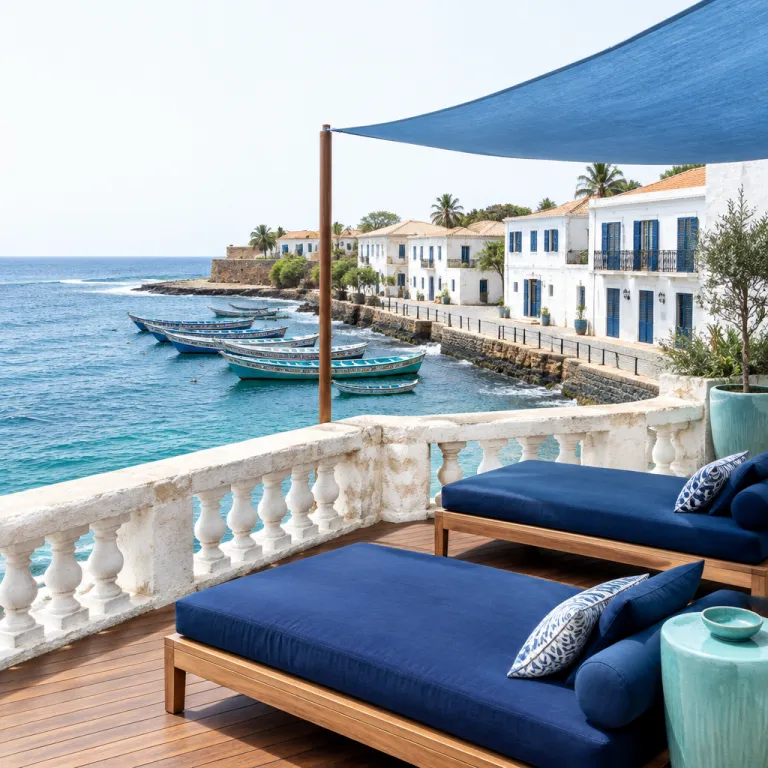
Staying in Dakar for Gorée Island: where luxury meets living history
Gorée Island lies just off the coast of Dakar, yet it feels worlds away. For travellers booking premium stays in Dakar, Senegal, choosing the right hotel shapes how you experience this powerful heritage site. The most refined properties balance discreet comfort with easy access to the ferry that links Dakar and the island, allowing you to move easily between contemporary city life and a place of remembrance.
Base yourself in central Dakar or along the Corniche to reach the Gorée Island ferry terminal at the Port Autonome de Dakar in around 10 to 20 minutes by car, depending on traffic. From these districts, luxury hotels such as the Terrou-Bi Resort, Radisson Blu Hotel, Dakar Sea Plaza, or Pullman Dakar Teranga can arrange private transfers and timed departures so you travel outside the busiest crossings. This proximity lets you pair a morning exploring Gorée’s memorial sites and historical museum with an afternoon by an infinity pool overlooking the Atlantic.
Many high-end hotels in Dakar now design heritage-focused packages that include guided visits to Gorée Island, the Maison des Esclaves, and key locations linked to the transatlantic slave trade. These curated experiences often weave in meetings with local historians or members of the Gorée Island community, who explain how enslaved Africans were confined in cramped cells before being forced onto ships. When you return to your hotel, thoughtful design details such as Senegalese textiles, African contemporary art, and quiet lounge spaces help you process the emotional weight of Gorée while still enjoying a serene environment.
Gorée Island Dakar: planning a meaningful visit from a premium hotel base
Gorée Island Dakar is small, but its history is immense and emotionally charged. The island of Gorée, or Île Gorée in French, was a key node in the Atlantic slave trade that linked West Africa, European ports, and the Americas. Today, this UNESCO World Heritage Site, inscribed in 1978, invites people from around the world to visit, reflect, and honour the memory of enslaved Africans and their descendants.
Most luxury travellers start at the Maison des Esclaves, often called the slave house, where the cramped holding cells and the symbolic Door of No Return confront visitors with the brutal reality of the trade in human beings. When you book a premium hotel in Dakar, Senegal, ask the concierge to arrange a certified guide through the official tourist office at the ferry terminal or recognised local associations on the island. A knowledgeable guide helps you understand how Gorée fits into the wider history of West Africa, from pre-colonial societies through European expansion to post-independence memory work.
Beyond the Maison des Esclaves, Gorée Island offers quiet streets lined with pastel houses, small art galleries, and a historical museum that explores African resistance and the daily lives of people on the island. Many travellers choose to split their time into two visits, returning a second day from Dakar to absorb the museum collections and the wider site at a slower pace. For a deeper perspective tailored to high-end stays, you can consult a dedicated luxury traveller’s guide to this powerful heritage site at Gorée Island in Dakar Sénégal luxury guide.
From Gorée Island to wider Senegal: curating a heritage focused luxury itinerary
Many guests combine Gorée Island Dakar with other historical landmarks across Senegal to build a coherent narrative of the country’s past. After exploring the island of Gorée and its role in the Atlantic slave trade, travellers often head north to Saint-Louis, the former French colonial capital. This river island city, now a UNESCO-listed area, pairs beautifully with Gorée for guests interested in architecture, culture, and refined hotels that echo the city’s trading and maritime heritage.
Premium booking platforms increasingly highlight itineraries that link Dakar, Gorée Island, and Saint-Louis in one seamless journey. You might spend several nights in Dakar, Senegal, taking day trips to the island and the Maison des Esclaves, then continue to Saint-Louis for elegant stays amid river heritage and island light. For inspiration on where to stay in this northern city, consult a specialist guide to refined stays amid river heritage and island light at Saint Louis Sénégal refined stays.
Some travellers extend their trips further, pairing Gorée Island and Dakar with natural landscapes such as Djoudj National Bird Sanctuary or Niokolo-Koba National Park in eastern Senegal. While these parks focus on wildlife rather than the history of enslaved Africans, they offer a powerful contrast to the dense urban fabric of Dakar and the compact streets of Île Gorée. A well-designed luxury itinerary lets you move from the emotional intensity of memorial sites and the Door of No Return to the open skies of West Africa, always returning to carefully chosen hotels that prioritise comfort, privacy, and thoughtful service.
Understanding Gorée’s role in Atlantic and African history from a luxury base
Staying in a premium hotel in Dakar gives you the time and calm needed to engage deeply with Gorée’s layered history. The island Gorée was one of several coastal sites used by European powers in West Africa, but it has become a powerful symbol of the Atlantic slave trade and the wider African diaspora. When you walk through the Maison des Esclaves, you stand where enslaved Africans were held before crossing the Atlantic Ocean toward an uncertain fate, and where their memory is now actively preserved.
Historians continue to debate the exact number of people who passed through Gorée Island itself, even as broader figures for the transatlantic trade are better documented. According to the Trans-Atlantic Slave Trade Database coordinated by Emory University, around 12.5 million Africans were embarked from ports across West and Central Africa between the sixteenth and nineteenth centuries, with several hundred thousand leaving from the wider Senegambian region. The Maison des Esclaves, with its stone staircases and sea-facing arches, embodies the intersection of African lives and European commercial interests in the trade of human beings. From your hotel in Dakar, Senegal, you can arrange private lectures or small group discussions with local experts who place Gorée within the broader context of African resistance, abolition movements, and post-colonial memory.
The island’s historical museum, housed in a former colonial building, complements the emotional impact of the slave house by presenting documents, artefacts, and artworks that trace the history of Senegal and the wider region. Exhibits explain how the French administration shaped Dakar and Senegal Gorée, how African people navigated colonial rule, and how the memory of the transatlantic slave trade continues to influence identity across Africa and the diaspora. Returning to a quiet, well-appointed room after such intense visits allows you to process these stories with the dignity and reflection they deserve.
Designing respectful luxury experiences around Gorée Island and Dakar
Luxury travel around Gorée Island Dakar requires sensitivity as well as comfort. You are visiting a place where enslaved Africans suffered, and where their descendants now welcome guests who come to learn about this painful history. The best high-end hotels in Dakar and on the Senegalese coast understand that respect for local people and culture is central to any stay linked to a heritage site, and that meaningful encounters matter as much as amenities.
When booking, look for properties that partner with certified guides, support local museums, and contribute to community projects on Île Gorée and in Dakar. Some hotels sponsor educational programmes that help young people from Gorée study the history of the Atlantic slave trade and share it with visitors in multiple languages. Others collaborate with artists whose work reflects African resilience, the memory of the slave trade, and the ongoing dialogue between Africa and the African diaspora. Community representatives on the island often emphasise that visitors should “take time to listen before taking photographs,” a reminder that Gorée is both a place of daily life and a memorial.
Thoughtful concierges will suggest ways to balance your time between Gorée Island, central Dakar, and quieter coastal areas without turning the Maison des Esclaves into a simple photo stop. They might recommend attending cultural events on the island, visiting small galleries run by local people, or timing your trips to avoid the busiest ferry crossings. For a nuanced perspective on how luxury hotels across Senegal are reimagining guest experiences with local flavours and stories, you can explore a detailed feature on Senegalese sundowners and hotel bars at Senegalese sundowner hotel bars.
Practical tips for visiting Gorée Island from a premium hotel in Dakar
Planning your visit to Gorée Island from Dakar starts with the ferry schedule and your hotel’s location. Most luxury properties in Dakar, Senegal, can arrange private transfers to the Gare Maritime de Gorée, help you purchase tickets at the official counter, and advise on the best times to travel. Ferries operated from the main port typically run several times per day, and the crossing usually takes about 20 minutes, with early morning and late afternoon sailings often feeling calmer and less crowded.
Once on Gorée Island, wear comfortable shoes for walking the cobbled streets and climbing gentle slopes toward viewpoints over the Atlantic. Many visitors choose to start near the main square and then continue to the Maison des Esclaves, the historical museum, and smaller galleries that explore African art, European influences, and the daily life of people on the island. Allow several hours for your visit, especially if you want time to sit quietly near the sea after seeing the memorial sites and the Door of No Return.
Back in Dakar, your hotel can help you frame what you have seen on Gorée within the wider story of Senegal, West Africa, and the global memory of the transatlantic slave trade. Some guests schedule a second visit to the island on another day, using the first trip to engage with the main sites and the second to explore lesser-known corners or meet local residents. Whether you make one visit or several trips, a carefully chosen luxury base in Dakar ensures that your experience of this UNESCO heritage site remains both respectful and deeply personal.
Key figures and heritage context for Gorée Island and Dakar
- Gorée Island has been listed as a UNESCO World Heritage Site since 1978, recognised for its role in the Atlantic slave trade and its well-preserved urban fabric (UNESCO World Heritage Centre, “Island of Gorée”).
- Scholars estimate that around 12.5 million Africans were embarked across the Atlantic during the transatlantic slave trade, with several hundred thousand leaving from ports in the wider Senegambian region, including present-day Senegal and neighbouring West African countries (Trans-Atlantic Slave Trade Database, Emory University).
- The Maison des Esclaves on Gorée Island is one of the most visited historical museums in Senegal and a central site of remembrance for people of African descent worldwide, receiving hundreds of thousands of visitors over recent decades (Senegalese Ministry of Culture and UNESCO reports).
- Dakar’s metropolitan area hosts more than three million residents, providing the main gateway for international travel to Senegal and serving as the starting point for almost all trips to Gorée Island (Agence Nationale de la Statistique et de la Démographie du Sénégal).
- Tourism contributes close to 10 percent to Senegal’s gross domestic product, with heritage tourism centred on sites such as Gorée Island, Saint-Louis, and various national parks playing a growing role in attracting higher-spending visitors (World Travel & Tourism Council country analysis).
FAQ about Gorée Island Dakar and luxury stays
How long should I plan for a visit to Gorée Island from Dakar ?
Most travellers allocate at least half a day for Gorée Island, including ferry transfers from Dakar. This allows time to visit the Maison des Esclaves, the historical museum, and key streets without rushing. Guests who want deeper context often plan two separate trips from their hotel base to absorb both the main memorials and the quieter corners of the island.
Can I book a private guide to explore Gorée Island and its history ?
Yes, premium hotels in Dakar, Senegal, routinely arrange certified private guides for Gorée Island through licensed local operators and the official tourist office near the ferry terminal. A guide can explain the history of the slave house, the role of European powers in the Atlantic slave trade, and the significance of the Door of No Return. Private tours also help you navigate peak visiting times and language preferences.
Is Gorée Island suitable for children staying in luxury hotels in Dakar ?
Families do visit Gorée Island, but the subject matter is intense and focuses on enslaved Africans and the transatlantic slave trade. Parents should consider their children’s age and sensitivity before planning a visit. Many hotels can recommend family-friendly guides who adapt explanations while maintaining respect for the site and its commemorative role.
What should I wear when visiting Gorée Island from a high end hotel ?
Dress modestly and comfortably, as you will walk on cobbled streets and spend time in historical buildings without air conditioning. Lightweight clothing, a hat, and closed shoes work well in Dakar and on the island. Out of respect for the memory of the slaves and their descendants, avoid beachwear or overly casual outfits during your visit.
Can I combine Gorée Island with other heritage sites in Senegal on one trip ?
Yes, many luxury itineraries link Gorée Island and Dakar with Saint-Louis, colonial quarters in other cities, and selected national parks. This combination offers a balance between history, culture, and nature while using premium hotels as comfortable bases. A specialised booking platform or experienced travel advisor can help you structure these routes efficiently and suggest properties that actively support local heritage initiatives.