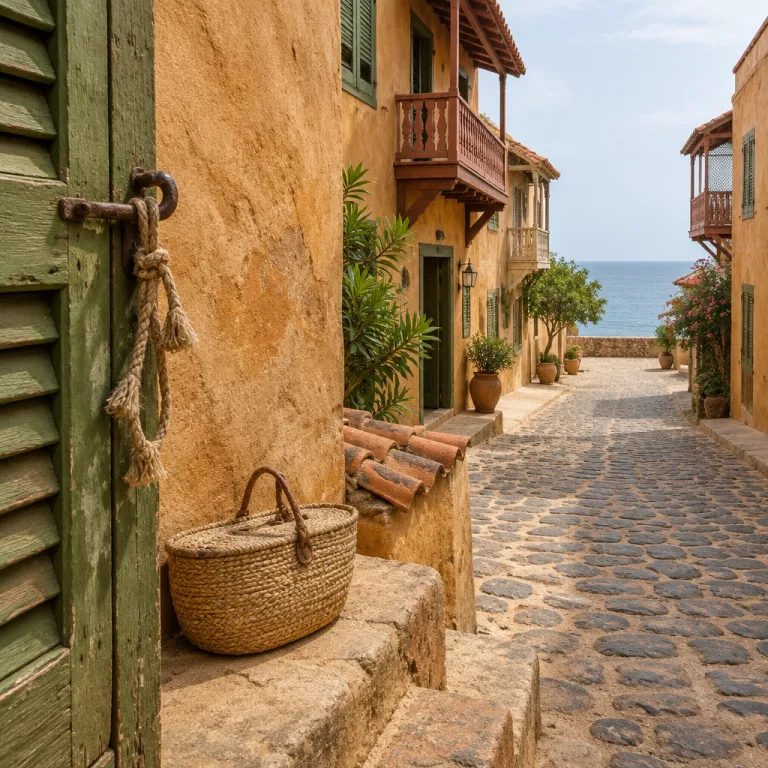
Gorée Island in Senegal as a luxury heritage destination
Gorée Island lies just off the coast of Dakar, yet it feels worlds away. This compact headland concentrates layers of African, European, and Atlantic history that now shape a powerful form of heritage travel for discerning guests. For travelers booking premium hotels in Dakar or elsewhere in Sénégal, a visit to Gorée offers a rare combination of emotional depth, refined ambience, and easy access from the mainland.
The island was once a strategic node in the transatlantic slave trade that linked West Africa, Europe, and the Americas. Today, Gorée is a UNESCO World Heritage Site, where carefully preserved streets, pastel houses, and coastal views frame a place of remembrance for millions of enslaved Africans deported across the ocean. Historians continue to debate the precise proportion of captives who passed through Gorée compared with other ports, yet the site has become a global symbol of the slave trade and its legacies. Luxury travelers choosing high end stays in Dakar or Saint Louis increasingly integrate the island into curated itineraries that balance comfort with historical awareness.
From a hospitality perspective, Gorée is not about excess; it is about intimacy, context, and respect. Guests often stay in premium properties in Dakar, then take the short ferry for private guided visits, museum experiences, and quiet reflection by the sea. This pattern allows travelers to enjoy elevated service standards while engaging deeply with the history of slave trade routes that once connected Senegal, France, the United States, and wider Africa. As one Dakar-based concierge notes, “Our role is to make the logistics invisible so that guests can focus on listening, learning, and honoring what happened here.”
Staying in Dakar for curated visits to Gorée Island
Most luxury travelers base themselves in Dakar, then organize tailored excursions to Gorée. High end hotels along the Corniche or in the Plateau district provide concierge teams who coordinate ferry schedules, private guides, and timed entries to each historical museum on the island. This approach lets guests move seamlessly from the energy of the capital to the contemplative atmosphere of Gorée within a single day.
Premium booking platforms for Sénégal now highlight packages that pair refined stays in Dakar with meaningful journeys to Gorée and other heritage sites. For a detailed look at how upscale itineraries connect Dakar, the island, and wider Senegal, many travelers consult this guide to refined stays and meaningful journeys between Dakar and Gorée. These curated experiences often include private transfers, multilingual guides versed in African and European history, and flexible timings that avoid the busiest ferry departures.
Because Gorée is a compact island, overnight stays are less common than day visits from Dakar, yet luxury travelers still seek premium comfort before and after confronting the legacy of enslaved people exported from West Africa. High category rooms with ocean views, spa facilities, and discreet service in Dakar help guests decompress after visiting the Maison des Esclaves and other sites linked to the transatlantic slave trade. This balance between emotional intensity and physical comfort is central to how high end hospitality now frames the story of Gorée and its role in Atlantic history.
Understanding the history behind Gorée’s slave houses and museums
Any serious visit to Gorée begins with its layered history of trade, conquest, and resistance. The island changed hands between Portuguese, Dutch, French, and English powers, each compagnie or company seeking control over commerce in West Africa. By the seventeenth century, this rocky outpost had become a contested site where European forts, African communities, and Atlantic shipping routes intersected.
The most emblematic building on the island is the Maison des Esclaves, often translated as the House of Slaves, which now functions as a historical museum. Here, visitors walk through cramped cells where enslaved men, women, and children waited before being loaded onto ships bound for the Americas and the United States. The famous Door of No Return, sometimes evoked today as a symbolic door of return for descendants visiting Africa, frames the ocean that once carried countless captives exported from this small island. The UNESCO World Heritage Centre highlights the Maison des Esclaves as a key memorial to the suffering caused by the slave trade.
Beyond the Maison des Esclaves, Gorée hosts several other museums that illuminate different layers of African and European history. One historical museum focuses on the broader story of Senegal, Saint Louis, and West African trade networks, while another explores contemporary African art within former colonial buildings. Travelers interested in heritage routes often pair Gorée with a stay in Saint Louis, using resources such as this heritage traveler’s guide to Saint Louis to understand how both cities shaped the French presence in West Africa.
From seventeenth century Gorée to the eighteenth century slave trade
By the seventeenth century, Gorée had become a crucial node in the evolving transatlantic slave trade. European powers, including the Dutch and the French, used the island as a fortified outpost to control maritime routes along the coast of West Africa. Fortifications such as the island’s coastal batteries and other defensive works symbolized the competition between each European compagnie or company seeking dominance over trade in gold, gum arabic, and human lives.
During the eighteenth century, Gorée’s role in the slave trade intensified, even as its exact share of enslaved Africans exported remains debated among historians. The International Slavery Museum in Liverpool, for example, notes that between 12 and 13 million African captives were shipped across the Atlantic overall, while emphasizing that no single port can be isolated from this wider system. On Gorée, slave houses including the Maison des Esclaves functioned as holding points where African men, women, and children were separated, catalogued, and prepared for shipment. Some captives became domestic slaves on the island itself, serving European families and African intermediaries, while many others were forced onto ships bound for the Caribbean and the United States.
French influence grew steadily during this period, with the French East India Company and other trading entities integrating Gorée into wider commercial circuits that linked Senegal, France, and distant markets. The presence of signares, powerful African and mixed heritage women who managed property and trade relationships, added another layer to the island’s complex social fabric. For today’s traveler, understanding this eighteenth century narrative is essential to appreciating why Gorée is more than a picturesque site; it is a living archive of Atlantic history and a focal point for remembrance.
Heritage, signares, and the layered identity of Gorée
Walking through Gorée, visitors encounter elegant houses with wrought iron balconies, shaded courtyards, and thick stone walls. Many of these residences once belonged to signares, influential African and Afro European women who negotiated with European traders, owned property, and sometimes held slaves themselves. Their presence complicates any simplistic narrative of victim and oppressor, revealing how local agency shaped the island’s role in Atlantic trade.
The architecture of each house reflects this layered identity, blending African building techniques with European design elements imported from France and other parts of Europe. Some former slave house structures now host cultural centers, galleries, or small museums, where exhibitions address themes such as mixed heritage, gender, and the economic power of signares in West Africa. For luxury travelers, private guided tours that focus on these nuanced stories provide a richer understanding than standard group visits.
Curated itineraries often include meetings with local historians, artists, or guides who grew up between Dakar and Gorée, and who interpret the island’s history through personal and community memories. As one Gorée-born guide explains, “People come for the past, but they also discover the island’s living soul.” Their narratives connect this Senegalese community to broader African diasporas in the United States, the Caribbean, and Europe, showing how the legacy of enslaved people exported from this coast still shapes identities today. When planning premium stays, travelers increasingly request experiences that highlight this living culture, not only the trauma of the transatlantic slave trade.
Designing luxury and premium stays around Gorée’s memory
High end hospitality in Sénégal now treats Gorée as a cornerstone of meaningful travel, not a simple excursion. Many luxury booking platforms curate stays that combine five star hotels in Dakar with private ferry crossings, after hours access to key museums, and reflective moments on the quiet side of the island. These experiences respect the gravity of Gorée’s history while still delivering the comfort and service that premium guests expect.
Some itineraries extend beyond Dakar–Gorée routes to include Saint Louis, Casamance, or private coastal villas, creating a broader narrative of Senegalese culture and landscapes. Travelers interested in elevated privacy often explore the country’s growing villa scene through resources such as this guide to Senegal’s refined private villa stays, then weave a day trip to Gorée into a longer coastal journey. In every case, the goal is to align the emotional weight of visiting slave trade sites with restorative spaces where guests can process what they have seen.
Responsible operators now emphasize ethical storytelling, transparent historical context, and respectful conduct at sensitive locations such as the Maison des Esclaves and other slave house sites. They brief guests on appropriate behavior, photography, and dress, recognizing that Gorée is both a place of mourning and a living community. As a result, luxury travel around the island increasingly centers on empathy, education, and long term engagement with Senegal, rather than quick photo stops between other attractions.
Key statistics and context for Gorée Island and heritage travel
- UNESCO inscribed Gorée Island as a World Heritage Site in 1978 to recognize its role as a symbol of the transatlantic slave trade that linked West Africa, Europe, and the Americas (UNESCO World Heritage Centre, official listing for Île de Gorée).
- Historians estimate that between 12 and 13 million African captives were shipped across the Atlantic over several centuries, though Gorée’s precise share of enslaved people exported remains debated among scholars (International Slavery Museum, Liverpool, overview of the transatlantic slave trade).
- Senegal receives more than one million international visitors annually, with Gorée Island and Saint Louis among the most visited historical destinations for heritage focused travelers (World Tourism Organization data for Senegal’s tourism sector).
- The ferry crossing between Dakar and Gorée covers roughly 3 kilometers and typically takes about 20 minutes, which makes day trips from luxury hotels in Dakar logistically simple for premium guests. Local authorities estimate that several hundred thousand visitors a year now include Gorée on their itineraries, especially during peak holiday seasons.
FAQ about Gorée Island in Senegal for luxury travelers
How long should I plan for a visit to Gorée Island from Dakar?
Most luxury travelers allocate at least half a day for Gorée Island in Senegal, including ferry transfers from Dakar. This allows time to visit the Maison des Esclaves, the main historical museum, and to walk through the island’s streets at a comfortable pace. Guests seeking deeper context often reserve a full day with a private guide and scheduled breaks for reflection.
Which historical sites on Gorée are essential for understanding the slave trade?
The Maison des Esclaves, with its preserved slave house cells and symbolic ocean facing doorway, is the most emblematic site. The island’s main historical museum provides broader context on Senegal, West Africa, and European trade networks, including French and Dutch influences. Walking past former signare houses and coastal fortifications also helps visitors grasp how Gorée functioned within the wider transatlantic slave trade.
Where should I stay if I want a luxury base for visiting Gorée?
High end travelers usually stay in premium hotels in Dakar, particularly along the Corniche or in the Plateau district, then take the ferry to Gorée Island. This strategy combines easy access to the island with top tier services such as spas, fine dining, and concierge support. Some itineraries also include nights in Saint Louis or private villas along the coast for a broader heritage and leisure experience.
Is it appropriate to take children to Gorée Island in Senegal?
Families do visit Gorée Island, but parents should prepare children for the emotional impact of learning about enslaved people, slave houses, and the transatlantic slave trade. Many guides adapt their explanations to younger audiences while still respecting the gravity of the subject. Luxury travel planners can help design age appropriate visits, including shorter museum stops and more time outdoors on the island.
How can I ensure my visit to Gorée is respectful and responsible?
Choose guides and operators who prioritize accurate history, community engagement, and clear guidelines on behavior at sensitive sites. Dress modestly, avoid disruptive photography inside the Maison des Esclaves and other museums, and remember that Gorée Island is both a memorial and a living neighborhood. Supporting local businesses, artisans, and cultural initiatives on the island also contributes to sustainable heritage tourism in Senegal.