From glass towers to raw earth: a new senegal hotel language
Luxury travelers arriving in Dakar used to find the same glass towers. Today, a quiet revolution in senegal hotel architecture and bioclimatic design is reshaping what a premium stay feels like. The most interesting new buildings trade reflective façades for textured walls, filtered light, and a closer view of the Atlantic.
This shift is led by a new generation of sénégalese architects who treat climate as their first client. They work with raw earth, shaded courtyards, and deep verandas, creating a collection of hotels where climate responsive architecture is not a marketing line but the core design strategy. For couples planning a romantic escape in sénégal, this means rooms that stay cool without aggressive air conditioning and spaces that feel rooted in place rather than in a global template.
At the heart of this evolution in sénégalese architecture is a simple idea. When architects in Sénégal respect the sun, wind, and humidity, sustainable architecture becomes a natural outcome rather than an add on. The result is a new architectural project language where every building detail, from earth bricks to woven screens, is tuned to the coastal climate and to the slow rhythm of teranga hospitality.
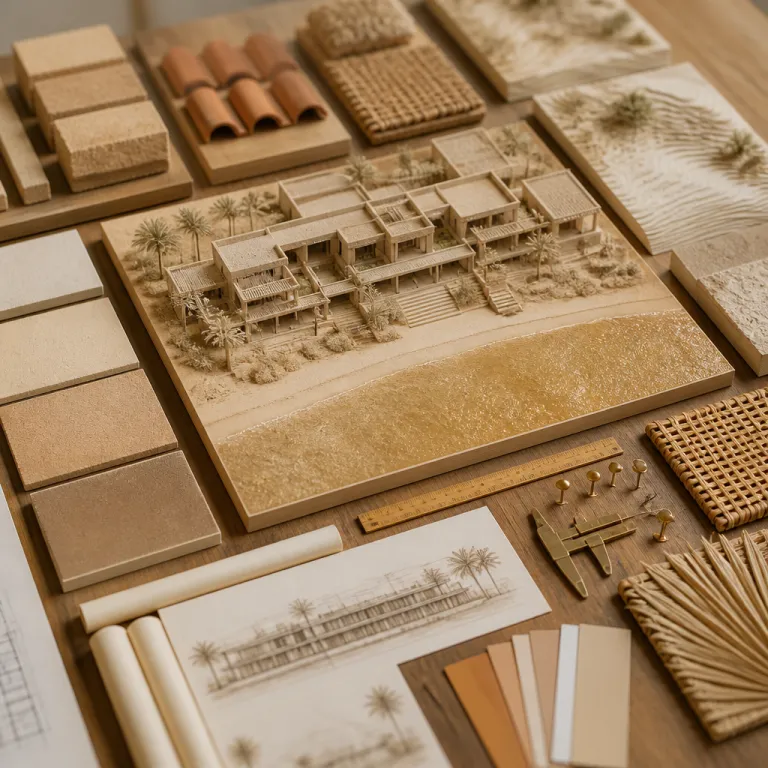
One of the clearest examples is La Réserve, a proposed hotel resort on Dakar’s Fann Corniche. Designed by SAOTA architects and presented as a concept in the early 2020s, the project wraps itself around existing baobab trees, using rammed earth walls and earth berms shaped from the site’s own soil. The architecture aims to integrate with the landscape so completely that the resort feels like an elevated house cluster rather than a single monumental building.
The design team’s methods read like a manifesto for senegal hotel architecture bioclimatic design. Traditional weaving techniques are used for shading, local construction methods guide the structural work, and the sun path is studied to orient every room toward natural ventilation. For travelers, that means a softer light on the terrace, a quieter night without constant air conditioning noise, and a more intimate view of the ocean framed by baobab silhouettes.
La Réserve also signals a broader evolution sénégalaise in how luxury real estate is imagined along the coast. Instead of erasing the site, the project treats each tree, dune, and rock as part of a curated collection of natural features. Publicly available concept descriptions from SAOTA describe it as “a proposed hotel resort in Dakar designed by SAOTA,” with “designing around existing baobab trees and using local materials,” including “rammed earth walls and earth berms made from site soil,” and note that “SAOTA, a South African architecture firm,” is responsible for the concept. When you book this kind of property, you are not just reserving a room; you are buying into a philosophy where sustainable construction and cultural sensitivity define what luxury can be in Sénégal.
Why earth bricks and raw earth feel like true coastal luxury
In Sénégal’s coastal belt, the sun is both a blessing and a design challenge. Hotels that rely on full height glazing often overheat, forcing heavy air conditioning use and creating interiors that feel sealed off from the breeze. Bioclimatic architecture built with earth bricks and raw earth flips that equation for guests who care about comfort and carbon footprints.
Earth brick construction works because its thermal mass absorbs heat slowly during the day. By evening, when the air cools, the building releases stored warmth, keeping interiors at a stable temperature and reducing the need for mechanical air conditioning systems. For couples staying several nights, this translates into quieter rooms, lower energy use, and a more sensual connection to the natural climate rather than to a thermostat.
From a tactile perspective, raw earth walls offer a richness that polished concrete rarely matches. You see subtle color variations, feel a gentle roughness under your fingertips, and notice how the light shifts across the surface as the sun moves. In the context of senegal hotel architecture bioclimatic design, these materials are not rustic compromises; they are deliberate design choices that elevate the sensory experience of a stay.
Properties like Sobobade in the Joal Fadiouth region show how this can work at scale. Developed from the late 1970s onward as an arts and culture retreat, the complex uses compressed earth blocks and local stone, with simple passive cooling strategies rather than centralized air conditioning. The buildings sit low in the landscape, their architecture echoing traditional design patterns from rural house compounds, and guests move between shaded courtyards and open terraces, always with a view of the ocean or the surrounding village life.
Le Tamarinier de l’Océan in Toubab Dialaw takes a similar stance, using low impact construction principles, solar panels, and rainwater harvesting. Opened in the 2010s as a small scale eco lodge, it relies on natural ventilation, planted patios, and thick masonry walls to moderate heat. Here, sustainable architecture is not an afterthought but the organizing principle of the project, from the choice of materials to the orientation of each room. For travelers, that means you can enjoy a refined dinner on the terrace while knowing that the building’s work against climate change is embedded in its very walls.
When you browse a hotel collection on a premium booking site, look for explicit mentions of earth bricks, raw earth, and passive cooling strategies. Properties that invest in this kind of construction usually explain how their buildings respond to the sun, wind, and humidity, because it is central to their identity. This is where senegalese architects are quietly setting a new standard for what sustainable luxury can mean on the Atlantic coast.
Inside the rooms: how bioclimatic design shapes your stay
Step into a well designed room in Dakar or along the Petite Côte and you feel the difference immediately. The air moves even when the ceiling fan is off, the light is soft rather than glaring, and the view is framed by deep reveals that cut the sun’s harshest angles. This is senegal hotel architecture bioclimatic design translated into daily comfort for guests.
Bioclimatic architecture starts with orientation and section, not with décor. Architects in Sénégal position buildings to catch prevailing breezes, then add cross ventilation paths, shaded galleries, and perforated screens that filter air and light. When this is done well, air conditioning becomes a backup rather than the default, and couples can sleep with windows open, listening to waves or distant city sounds instead of compressors.
Privacy is another quiet luxury that these projects handle with care. Instead of relying on heavy curtains and tinted glass, senegalese architects often use layered walls, planted courtyards, and offset openings to create privacy without blocking airflow. For travelers, that means you can enjoy an outdoor shower or a private plunge pool while still feeling connected to the wider landscape and to the cultural rhythm beyond the property line.
In urban Dakar, the Goethe Institut Sénégal by Kéré Architecture shows how these principles can work in a dense context. Completed in the early 2010s, the building uses shaded courtyards, generous overhangs, and carefully placed openings to manage heat and light in a busy urban setting. While not a hotel, its architecture offers a preview of how future hospitality projects in the city might balance cultural programming, sustainable construction, and guest comfort.
Studios like Worofila, founded by sénégalaise architect Nzinga Mboup and French architect Nicolas Rondet, push this thinking further from their Dakar base. Their work with earth bricks and raw earth in projects such as the Diamniadio Eco Pavilion and the Institut Français in Dakar demonstrates how sustainable architecture can feel both contemporary and deeply rooted in senegalese architecture traditions. As Mboup has explained in public talks, “working with earth in Dakar is not nostalgia; it is a technical response to heat, humidity, and the need for low carbon construction.” For hotel developers and real estate investors, collaborating with architects Sénégal who understand this evolution sénégalaise is becoming a strategic advantage.
On a practical level, travelers should pay attention to room descriptions and floor plans when booking. Look for mentions of cross ventilation, shaded terraces, and natural materials rather than only high capacity air conditioning and blackout glass. These details signal that the architecture, not just the interior styling, has been designed to support your stay in a climate conscious, culturally sensitive way.
Nature, culture, and the city: where to stay for architecture lovers
Choosing where to sleep in Sénégal is increasingly a question of architectural taste. Some couples want a coastal house style retreat with raw earth walls and palm shaded courtyards, while others prefer an urban building in Dakar that plugs them into the city’s creative energy. The good news is that senegal hotel architecture bioclimatic design now spans both worlds.
Along the Fann Corniche, projects like La Réserve promise a new kind of resort experience once completed. The architecture is planned around five existing baobab trees, with rammed earth walls and earth berms that blur the line between building and landscape. For guests, that means walking from room to restaurant under canopies of leaves, with the ocean always in view but never overwhelming the sense of intimacy.
In the city center, the evolution of sénégalaise architecture is more vertical but no less climate aware. New mixed use buildings and cultural institutions experiment with shaded loggias, perforated façades, and planted terraces that temper the urban heat. When these strategies migrate into hotel projects, they create rooms that feel like elevated houses stacked above the street, each with its own microclimate and framed view.
Outside Dakar, coastal villages like Toubab Dialaw and the Joal Fadiouth area offer a different rhythm. Here, hotels built with earth bricks and raw earth sit close to the ground, echoing traditional design cues from rural compounds and fishing communities. Guests move between the beach, the village, and the property’s inner courtyards, experiencing a continuous cultural and spatial narrative rather than a sealed resort bubble.
If you are planning a longer trip, consider structuring your stay as a small architecture focused collection of properties. Start with an urban hotel in Dakar that engages with sustainable construction and cultural programming, then add a coastal retreat where bioclimatic architecture is expressed through earth walls and ocean facing verandas. For curated ideas on how to weave these stays with high level dining and art experiences, explore this guide to refined things to do in Sénégal for luxury minded travelers.
Wherever you book, pay attention to how each project describes its relationship to the site and to sénégalaise culture. Properties that speak clearly about materials, construction methods, and sustainable strategies usually have an equally thoughtful approach to service and guest experience. This is where architecture, hospitality, and the wider urban or coastal context align to create a stay that feels both indulgent and responsible.
How to read between the lines of “eco” hotel claims
Eco labels have become almost obligatory in luxury hotel marketing, especially in Sénégal. For travelers who care about architecture and climate change, the challenge is separating structural commitments from surface level gestures. A property’s website can tell you a lot if you know what to look for.
Start with the building itself rather than the amenities. Does the hotel explain its construction materials, such as earth bricks, raw earth, or locally sourced stone, and how these support bioclimatic architecture strategies? Or does it focus mainly on energy efficient air conditioning units and recycled bathroom products, which are helpful but secondary to the core design.
Next, examine how the project situates itself within sénégalaise architecture and culture. Serious sustainable architecture efforts often reference traditional design elements like shaded courtyards, deep verandas, and thick walls that have long moderated the sun and wind in sénégalese house typologies. When senegalese architects lead the work, they usually articulate how their buildings respond to both climate and cultural patterns, not just to certification checklists.
On a booking platform, the presence of an account sign in process and a clear privacy policy might seem unrelated to architecture. Yet these details signal how seriously a brand treats transparency, data, and long term relationships with guests. The same mindset often extends to how they manage real estate assets, maintain buildings, and invest in ongoing sustainable upgrades.
Quotes from project teams can also be revealing. In the case of La Réserve, publicly shared material from SAOTA describes it as “a proposed hotel resort in Dakar designed by SAOTA,” with “designing around existing baobab trees and using local materials,” including “rammed earth walls and earth berms made from site soil,” and notes that “SAOTA, a South African architecture firm,” is responsible for the concept. These statements show that the architecture, not just the operations, is structured around environmental and cultural priorities.
Finally, remember that the evolution sénégalaise in hotel design is still unfolding. Some of the most ambitious projects are in concept or early construction, while existing buildings are gradually retrofitting toward more sustainable architecture models. As you compare options, prioritize properties where the architecture itself does the heavy lifting for comfort and climate, and treat add on eco gestures as welcome extras rather than the main story.
FAQ
Why are earth brick hotels in Sénégal often cooler than concrete ones ?
Earth bricks and raw earth walls have high thermal mass, which means they absorb heat slowly during the day and release it gradually at night. In Sénégal’s climate, this stabilizes indoor temperatures and reduces reliance on air conditioning. For guests, that usually means cooler rooms, quieter nights, and a more comfortable stay in both urban and coastal settings.
How can I tell if a hotel in Dakar uses bioclimatic architecture ?
Look for clear descriptions of orientation, natural ventilation, shading devices, and material choices such as earth bricks or thick masonry walls. Hotels that embrace bioclimatic architecture often highlight features like cross ventilation, deep verandas, and planted courtyards rather than only technical systems. Photos showing generous overhangs, perforated screens, and layered façades are also strong indicators.
Are sustainably built hotels in Sénégal more expensive to book ?
Room rates depend more on location, service level, and brand than on construction method. Some earth brick or raw earth properties position themselves as intimate luxury retreats and price accordingly, while others remain relatively accessible. Over time, energy savings from reduced air conditioning can help these buildings control operating costs, which may support more stable pricing.
What should I check on a booking site before reserving an eco focused hotel ?
Beyond photos, read how the hotel explains its architecture, materials, and environmental strategies. A serious property will usually detail its construction approach, water and energy management, and relationship to local communities, alongside a transparent privacy policy and straightforward account sign in process. If “eco” is mentioned only in passing, the commitment may be more cosmetic than structural.
Is Dakar a good base for travelers interested in architecture focused stays ?
Dakar is an excellent base because it combines emerging sustainable hotels, major cultural institutions, and experimental urban projects. You can stay in a design forward property, visit buildings like the Goethe Institut Sénégal or the Institut Français, and then extend your trip to coastal retreats that explore similar ideas with ocean views. This mix makes the city ideal for couples who want both architectural depth and easy access to beaches and dining.