Reading dakar’s shoreline through Lebou eyes before you book
Dakar sits on the Cap Vert Peninsula, facing the Atlantic Ocean. Along this edge of West Africa, the Lebou people have fished these waters for centuries, shaping every cove and headland. Any serious search for dakar lebou culture fishing village hotels or coastal guesthouses should start with understanding that history first.
The Lebou are recognised as an indigenous fishing community in Dakar, and their villages in Yoff, Ngor, and Ouakam still frame the city’s most desirable beaches. When you stand on a polished hotel terrace above Ngor beach or the Petite Côte, you are looking at a working coastline where artisanal fishing, spiritual practice, and modern hospitality now coexist. This coexistence is not a backdrop for photos; it is the living heritage that gives many Dakar fishing-village hotels rooted in Lebou culture their real depth.
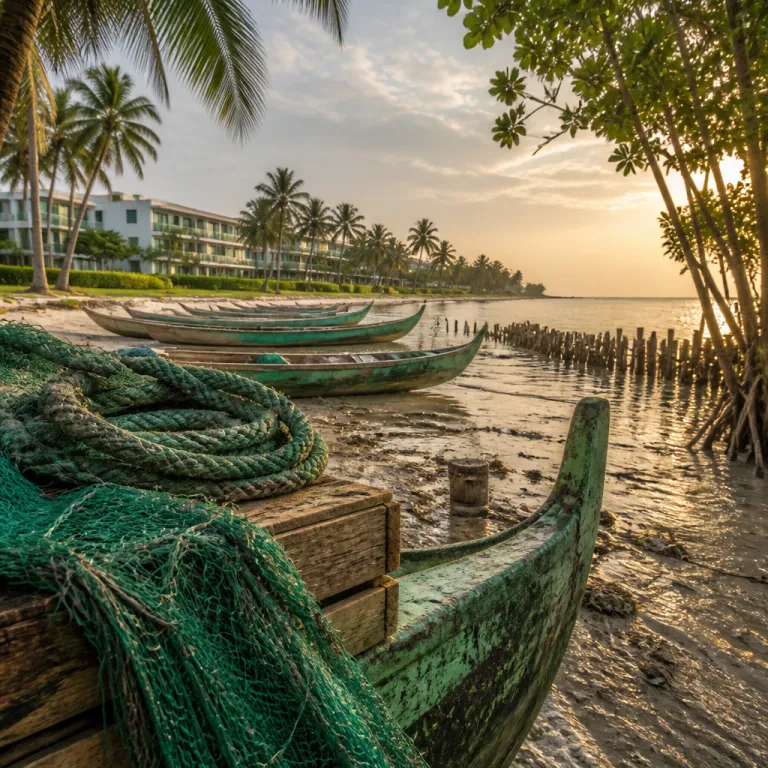
Lebou settlements along this coast date back to at least the sixteenth century, long before Dakar became the capital of Senegal. Their economy grew around the pirogue, the long painted wooden boat that still launches daily into the Atlantic Ocean from Yoff beach and the coves of Ouakam. When you evaluate dakar lebou culture fishing village hotels today, you are choosing how close you want to be to that authentic rhythm of tides, nets, and community gatherings.
From Yoff to Ngor and Ouakam: where fishing villages meet luxury keys
Yoff is the purest expression of Lebou life within Dakar, a dense fishing village wrapped around a broad beach. Here, the smell of drying fish, the calls of vendors, and the sight of hundreds of pirogues pulled onto the sand create a cultural intensity that few luxury properties dare to sit inside. Most coastal hotels inspired by dakar lebou culture instead position themselves just to the side of this energy, offering comfort while keeping the village within walking distance.
Ngor, by contrast, balances surf culture, nightlife, and a small island just offshore that feels far from the city. Atlantic Evasion Hotel, set on Ngor beach, offers straightforward rooms but is more interesting as a base for fishing activities that still rely on traditional pirogues alongside modern gear. A short boat hop away, Ngor island adds another layer, with low key guesthouses, sandy paths, and views back to the Dakar skyline that remind you how close this island world sits to serious real estate development on the mainland.
Ouakam curves beneath volcanic cliffs, its mosque almost touching the water, and the village still orients itself around the daily launch of fishing boats. Above, newer hotels and residences look down on the bay, creating a vertical contrast between Lebou heritage and contemporary architecture. When planning a tour of Dakar that includes Ngor, Yoff, and Ouakam, you are effectively tracing the living map of dakar lebou culture fishing village hotels and coastal stays along the city’s most storied beaches, a route as revealing as any visit to Saint Louis or the Petite Côte.
The daily pirogue launch and the invisible spiritual layer
At first light on Yoff beach, the pirogue launch is choreography rather than spectacle. Crews push the long boats across the sand, women call out blessings, and the Atlantic Ocean becomes both workplace and spiritual space. For guests staying in dakar lebou culture fishing village hotels nearby, this is the most powerful cultural activity you can witness, provided you approach it with respect.
The Lebou spiritual universe is tightly bound to the sea, with divinity Rab ceremonies and other rituals asking protection for boats, families, and the wider community. These ceremonies are not staged cultural activities for visitors; they are private acts that sometimes unfold just beyond the line of hotel sun loungers. As one Yoff fisherman told a local researcher in a 2022 community survey on coastal livelihoods, “The sea feeds us, but the spirits guard us,” a reminder that you are sleeping beside a spiritual landscape that many visitors to Senegal never even notice.
Local guides who work with responsible hotels will explain where you can stand, what you should avoid photographing, and how to greet elders in a way that honours Lebou customs. Some properties quietly support cultural organisations that document Lebou heritage, from oral histories to the maintenance of pirogue painting traditions. When you read marketing language about dakar lebou culture fishing village hotels offering an authentic experience, ask whether that authenticity includes real engagement with these spiritual and cultural layers, or just a view of colourful boats from the breakfast terrace.
Hotels that engage the Lebou coastline rather than just face it
Along the Ngor and Yoff stretch, a handful of properties have moved beyond surface level proximity to Lebou villages. Hotel La Madrague, set directly on the shoreline, is known for seaside lodging and fresh seafood, and its kitchen often works with local fishermen who land their catch just metres away. According to recent guest reviews and local tourism listings consulted in 2024, including entries in the “Annuaire Officiel du Tourisme du Sénégal 2023–2024,” the hotel’s menus regularly highlight seasonal Atlantic fish sourced from nearby pirogue crews.
These hotels sit within a broader movement in Senegal toward sustainable tourism that respects local communities while still offering comfort. Atlantic Evasion Hotel on Ngor beach doubles as a fishing centre, creating a rare bridge between leisure anglers and the artisanal crews who know these waters best. Operators collaborate with Lebou fishermen for guided outings in traditional pirogues, organise cultural tours that explain the history of Dakar’s coastline, and sometimes support training programmes that bring young people from Yoff or Ouakam into hospitality roles. When you filter options for dakar lebou culture fishing village hotels, look for evidence of such partnerships rather than vague promises of cultural immersion.
Further down the Petite Côte, in Saly and the Saloum Delta, you will find resorts that reference fishing culture but are physically removed from the dense urban villages of Dakar. The contrast is instructive, especially if you also plan to visit Saint Louis with its colonial era hotels and the nearby national park that protects migratory birds. Reading about luxury and premium hotel booking in Senegal through a cultural lens, as explored in this guide to cultural inspirations for discerning travelers, will help you understand why the Lebou coastline around Dakar remains uniquely intense.
Respectful cultural tourism: how to stay, watch, and participate
Staying near Yoff, Ngor, or Ouakam means you are not just booking a room by the beach. You are entering neighbourhoods where several tens of thousands of Lebou residents in Dakar still depend on fishing, trade, and small scale services, a pattern echoed in estimates from Senegal’s Ministry of Fisheries and Maritime Economy and the “Stratégie de Développement du Tourisme au Sénégal 2016–2025.” That reality should shape how you move, photograph, and even negotiate prices around dakar lebou culture fishing village hotels and guesthouses.
Ask your hotel to connect you with a local guide from the community rather than arranging generic city tours that skim the surface. A thoughtful tour of Dakar might combine a morning at Yoff beach, an afternoon visit to Dakar Gorée and Gorée Island to understand the history of the slave trade, and an evening walk along the Corniche where the African Renaissance Monument rises above the Atlantic Ocean. On Gorée, the House of Slaves and its Door of No Return form part of a UNESCO heritage site that anchors Senegal’s role in Atlantic history, while back on the mainland, the Lebou villages show how coastal life continues beyond that trauma.
Elsewhere around Dakar, you can extend this cultural thread with a trip to Lake Retba, often called the Pink Lake, where the saline waters shift colour with the light, or a day exploring the islands and mangroves of the Saloum Delta, another UNESCO heritage landscape. Both areas offer water sports, from kayaking to gentle boat trips, but the most meaningful activities often involve slow conversations with local residents about fishing seasons, the dry season winds, and how tourism is reshaping their options. For wellness focused travelers, this coastline also pairs naturally with spa time at properties featured in this wellness traveler’s guide to Senegal’s spa retreats, creating a balance between cultural intensity and restorative calm.
Beyond Dakar: connecting Lebou heritage to Senegal’s wider coastal story
Once you have felt the Lebou rhythm along Dakar’s beaches, the rest of Senegal’s coast reads differently. The Petite Côte resorts around Saly, the quieter inlets of the Saloum region, and the colonial streets of Saint Louis all become chapters in a single Atlantic story. Even when you are far from dakar lebou culture fishing village hotels, echoes of that fishing heritage follow you.
In the Saloum Delta, traditional pirogues weave through mangrove channels where salt, fresh water, and silt from the interior meet in a complex ecological system. Many lodges here offer guided activities that highlight both the delta’s biodiversity and the cultural practices of Serer and other communities who share some techniques with Lebou fishermen. A visit to the nearby national park, with its bird colonies and tidal flats, underlines how closely Senegal’s coastal cultures are tied to fragile environments.
North in Saint Louis, former administrative capital of French West Africa, the island city’s faded facades and iron balconies recall a different era of trade and control. Cultural events such as the Saint Louis Jazz Festival, and art gatherings that echo the Dakar Biennale, now shape hotel booking patterns, as explored in this guide to festival driven hotel demand. When you return to Dakar after such a circuit, perhaps passing views toward Cape Verde on a clear day or hearing about real estate projects along the Corniche, the Lebou villages of Yoff, Ngor, and Ouakam feel less like anomalies and more like the anchor that holds this evolving coastline in place.
FAQ
Who are the Lebou people along Dakar’s coast ?
The Lebou are recognised as an indigenous fishing community in Dakar. They established settlements along the Cap Vert Peninsula centuries ago and still dominate the fishing activities in Yoff, Ngor, and Ouakam. Their presence gives dakar lebou culture fishing village hotels and nearby coastal lodgings a direct connection to living maritime heritage rather than a staged cultural backdrop.
What is Hotel La Madrague known for on the Lebou coastline ?
Hotel La Madrague is known for seaside lodging and fresh seafood. The property sits close to working fishing areas, which allows its kitchen to work with local fishermen who land their catch nearby. For travelers interested in dakar lebou culture fishing village hotels, it offers a comfortable base with immediate access to the rhythms of the Atlantic Ocean.
Where is Atlantic Evasion Hotel located and what does it offer ?
Atlantic Evasion Hotel is located on Ngor beach in Dakar. It operates both as a small hotel and as a fishing centre, arranging outings that often use traditional pirogues alongside modern equipment. Guests who care about dakar lebou culture fishing village hotels will appreciate how closely the property is tied to everyday coastal activities.
How can visitors respectfully watch the pirogue launches in Yoff or Ouakam ?
Visitors should stand back from the working zone, avoid blocking pathways, and ask permission before photographing individuals. The best approach is to go with a local guide recommended by your hotel, who can explain customs and introduce you to community members. This respectful distance allows you to experience the power of the launch while supporting the dignity of those who work the beach.
Are Lebou fishing villages safe areas to stay near for solo travelers ?
Yoff, Ngor, and Ouakam are busy urban neighbourhoods where normal city awareness is necessary, but they are not off limits to solo travelers. Choosing established dakar lebou culture fishing village hotels and using trusted local guides for evening walks or market visits will help you navigate comfortably. As in most of Senegal, the tradition of teranga hospitality means visitors are generally welcomed when they behave respectfully.
Sources
Ministère du Tourisme et des Transports Aériens du Sénégal, “Stratégie de Développement du Tourisme au Sénégal 2016–2025”; Ministère des Pêches et de l’Économie Maritime, coastal fisheries statistics 2018–2022; UNESCO World Heritage Centre dossiers for Gorée Island and the Saloum Delta; African Development Bank, “Tourism Sector Diagnostic for Senegal,” 2019; Annuaire Officiel du Tourisme du Sénégal 2023–2024; local hotel listings and guest reviews consulted 2024; community interviews and cultural surveys on Lebou fishing practices and Rab ceremonies conducted in Yoff and Ngor (2018–2023).