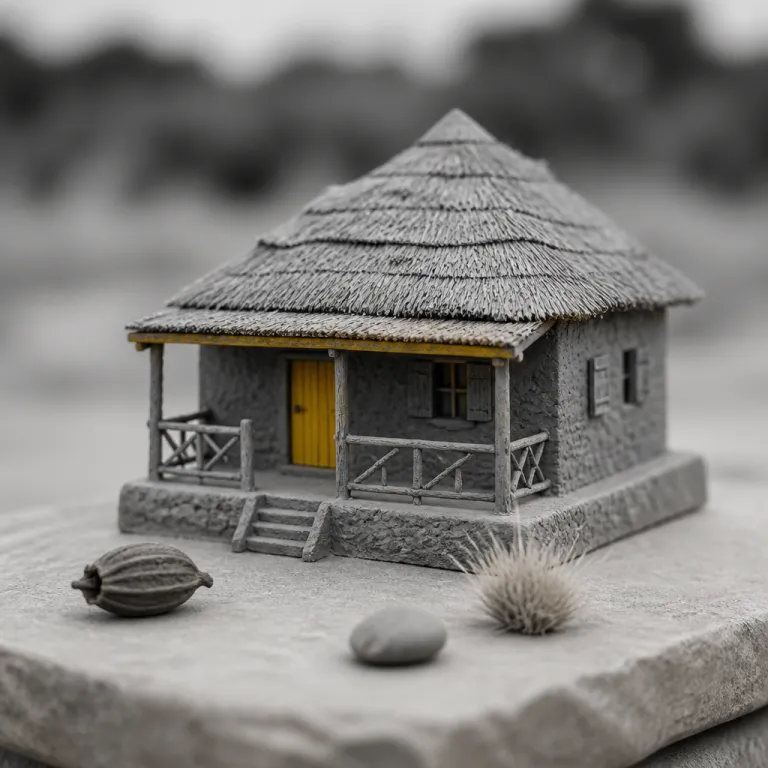
Why this Kedougou Senegal Bassari Country travel guide matters for luxury explorers
Kedougou in southeastern Senegal feels like a different country by the time the asphalt ends and the red earth begins. This Kedougou Senegal Bassari Country travel guide focuses on where wilderness, culture and a small but growing lodge scene finally meet, giving you a clear view of what to expect and what you should expect to pay. When you read this guide, you step into a region where UNESCO heritage landscapes, cliff edge hotels and remote villages shape every day and night of your stay.
The wider Kedougou region stretches from the Niokolo Koba National Park plains to the Fouta Djallon foothills on the Guinean border. This Kedougou Senegal Bassari Country travel guide is written for travelers who want the best of both worlds ; wild places by day and a well run lodge with reliable air conditioning and hot water at night. In a country where many visitors stay along the Sine Saloum or Saloum Delta coast, Kedougou and Country Bassari offer a different rhythm, with fewer streets and more forest paths, yet with enough premium properties to anchor an elegant itinerary.
Bassari Country itself is a UNESCO heritage site, recognized for its cultural landscapes and ancestral traditions that still shape daily life in villages like Salemata, Ethiolo and Ebarack. Official guidance on the area is clear ; “What is Bassari Country? A cultural landscape in southeastern Senegal” and “What activities are available? Cultural ceremonies, hiking, village visits.” This Kedougou Senegal Bassari Country travel guide takes those foundations and translates them into concrete hotel choices, realistic transport plans and a nuanced sense of when the best season aligns with your own travel style.
Reaching Kedougou from Dakar and planning your 4 to 5 day circuit
The Dakar Kedougou journey is your first real test of how much adventure you want in this Kedougou Senegal Bassari Country travel guide. Overland, the Dakar Kedougou road now offers long stretches of good tarmac, but you should still plan a full day of travel, with early morning departure and arrival after dark only if your driver knows the region’s streets well. Internal air connections change often, so check current Dakar to Kedougou air schedules, and always read the latest local updates before you fix your dates.
For most travelers, the best time for this circuit is the cool dry season, when daytime temperatures are manageable and the roads into remote villages remain passable. During the dry season, you can realistically plan a 4 to 5 day loop that includes Niokolo Koba National Park, the Bassari and Bédik villages and at least one night near Dindéfelo Falls, without rushing every day. In the rainy season, the same Kedougou Senegal Bassari Country travel guide circuit demands more patience, as local transport slows, some places become harder to reach and you may need to add an extra day to your plan.
Think of your time in Kedougou as a series of scenic stages rather than a single base, because distances in this region are deceptive on a map. A refined circuit might start with one night near the park, two nights around Bandafassi for Bassari Bédik encounters, then a final night near the waterfalls before returning toward Dakar or continuing north to the Sine Saloum and Saloum Delta for coastal contrast. For a broader view of elegant itineraries across Senegal, including essential things to do beyond this southeastern corner, consult this curated overview of elegant, memorable stays and experiences in Senegal.
Choosing where to sleep: from cliff edge comfort to village homestays
Accommodation in Kedougou and Country Bassari runs from simple village huts to one of Senegal’s most atmospheric cliff top hotels. Hôtel Le Bédik sits above the Gambia River with 33 air conditioned rooms, and for many readers of this Kedougou Senegal Bassari Country travel guide it will be the best balance between comfort and proximity to traditional villages. You wake to wide views of the region, then descend by day into Bassari and Bédik communities, returning at night to a proper mattress, working shower and a bar where the air feels cooler than in the streets below.
Further inside Bassari Country, Chez Balingo in Ethiolo offers 14 huts, including five built in traditional Bassari style, which gives a more immersive sense of daily life while still providing structure and a clear guide presence. These lodges are highly recommended for travelers who want to find a middle ground between pure homestay and full service hotel, and they work well as a base for hikes into nearby villages during both the dry season and the rainy season. Expect to pay in West African CFA francs, with rates that remain modest by international luxury standards, but remember that the real value here lies in access to places that no coastal resort can replicate.
Village homestays, often arranged through local guides or schoolteachers, are the most direct way to connect with Bassari Bédik hosts, yet they require a different mindset than a polished Dakar property. You sleep in simple huts, share meals that reflect local harvests and adjust to a night sky that feels close enough to touch, with almost no artificial light in any direction. For travelers used to the refined lodges of the Sine Saloum or Saloum Delta, this Kedougou Senegal Bassari Country travel guide suggests combining one or two homestay nights with a return to Hôtel Le Bédik or another comfortable base, then later pairing the trip with a more classic safari style stay near Niokolo Koba, using resources like this focused piece on planning an elegant escape to Parc National Niokolo Koba.
Niokolo Koba National Park: honest expectations for wildlife and wilderness
Niokolo Koba National Park is often introduced as Senegal’s great wildlife reserve, and on paper it is ; more than 900 000 hectares of savannah, forest and riverine habitat. This Kedougou Senegal Bassari Country travel guide takes a more measured view, because while lions, elephants and hippopotamuses are present, sightings are not guaranteed, and the experience is closer to a slow, contemplative drive than a high density East African safari. The best season for clear tracks and easier access is the late dry season, when vegetation thins and animals concentrate near water, but heat levels rise sharply during the day.
During the rainy season, Niokolo Koba becomes lush and visually dramatic, with the air heavy and the landscape intensely green, yet wildlife can be harder to spot and some tracks may close. If your main goal is to read the landscape and feel the scale of this UNESCO heritage reserve, rather than tick off a long list of species, both seasons have their own appeal. This Kedougou Senegal Bassari Country travel guide suggests at least one night near the park gates, using local guides who understand current animal movements and who can explain how this koba national ecosystem connects to the wider Kedougou region and even to the Fouta Djallon highlands across the border.
From a luxury perspective, Niokolo Koba is less about infinity pools and more about the privilege of near solitude in one of West Africa’s largest protected places. You travel by 4x4, stop at viewpoints where the only sound is the air moving through the trees and return at night to simple but atmospheric camps where a cold drink feels like the best reward. When you compare this to coastal stays in the Sine Saloum or Saloum Delta, the difference is stark ; here the emphasis is on space, silence and the feeling that you are at the edge of Senegal’s last wilderness, with Kedougou and Country Bassari just a day’s drive away.
Bassari and Bédik villages: culture, etiquette and the role of guides
The heart of this Kedougou Senegal Bassari Country travel guide lies in the villages themselves, where Bassari and Bédik communities maintain rituals and architecture that earned their homeland UNESCO heritage recognition. Places like Bandafassi, Iwol and Andjiel sit on hilltops or slopes that require a steady climb, so a basic level of fitness is essential, especially in the hotter part of the dry season. When you reach these villages, daily life unfolds at its own pace ; elders under shade trees, children on the paths, and a quiet choreography of work that continues whether visitors are present or not.
Local tour guides are not an optional extra here ; they are the bridge between your curiosity and community comfort, and they help you find the right balance between observation and intrusion. Official advice on how to visit Bassari Country is straightforward ; “How to visit Bassari Country? Through guided tours or independent travel.” In practice, this Kedougou Senegal Bassari Country travel guide strongly favors guided visits, because a good guide will explain when ceremonies are open to respectful guests, which streets and compounds are private and how contributions in CFA francs can support schools or health posts rather than creating awkward expectations.
Cultural sensitivity also extends to photography, dress and timing, especially if your stay coincides with key ceremonies that may not align neatly with your chosen season of travel. You should always ask before taking portraits, avoid flashy displays of wealth and remember that for Bassari Bédik hosts, your presence is part of a longer story of tourism, not a one off event. Compared with coastal Senegal, where resort life can insulate you from local realities, Kedougou and Country Bassari invite you into a more direct relationship with people and place, which is precisely why this region is highly recommended for travelers seeking more than just another list of sept places to tick off.
Waterfalls, highlands and scenic getaways: designing your most rewarding days
Beyond the villages and Niokolo Koba, the wider Kedougou region offers some of Senegal’s most striking natural places for day trips and longer hikes. Dindéfelo Falls, reached after a walk through forested paths, is the star ; a tall cascade dropping into a clear pool where the air feels several degrees cooler than in town. For many readers of this Kedougou Senegal Bassari Country travel guide, a night or two near Dindéfelo, combined with a day exploring nearby villages, will be the visual high point of the trip.
The Fouta Djallon highlands, just across the border in Guinea, shape the climate and hydrology of this whole region, feeding the rivers that carve the canyons and waterfalls you see on your hikes. While most travelers will not cross the frontier, understanding this geography adds depth to what you read in any travel guide and helps explain why the best time for waterfall visits often overlaps with the late rainy season, when flows are strongest but trails can be muddy. During the cooler months of the dry season, the trade off is easier walking and clearer air, with long views across the hills that frame Kedougou and Country Bassari.
For those who like to pair inland adventures with coastal retreats, one elegant strategy is to end your journey with a few nights in the Sine Saloum or Saloum Delta, using resources such as this curated look at Senegal island hideaways for luxury stays away from the crowds. The contrast between mangrove lined waterways and the rugged interior around Kedougou Senegal makes each place feel sharper, and you will appreciate the polished service of coastal lodges even more after a week of red dust and star filled nights. This Kedougou Senegal Bassari Country travel guide is designed precisely for that kind of traveler ; someone who wants both the rawness of the interior and the refined calm of the coast in a single, coherent itinerary.
Money, comfort levels and how to align expectations with reality
Budgeting for Kedougou and Country Bassari is less about chasing the absolute best deal and more about understanding what you should expect to pay for different comfort levels. Mid range lodges such as Hôtel Le Bédik or Chez Balingo usually quote in CFA francs, and while rates fluctuate, they remain accessible compared with high end properties in Dakar or along the Sine Saloum coast. This Kedougou Senegal Bassari Country travel guide recommends setting aside a flexible daily amount for local transport, guide fees and village contributions, because these small payments often shape the quality of your interactions more than any room upgrade.
In practical terms, you should carry enough cash in CFA for several days, as card facilities remain limited in many parts of the region and ATMs can be unreliable. Agree guide fees clearly at the start of each day, ask what is included in the rate and read any written notes they provide, especially around contributions to community projects in villages you visit. When you compare these costs with what you might expect to pay for a single night in a premium Dakar hotel, the value of a week in Kedougou Senegal becomes obvious, especially if you care more about access to UNESCO heritage landscapes than about thread counts.
Comfort expectations also need recalibrating ; air conditioning may not run all night in every lodge, water pressure can vary and local transport schedules are often more aspiration than guarantee. Yet for many travelers, these minor frictions are part of the appeal, a reminder that this Kedougou Senegal Bassari Country travel guide is pointing you toward one of the last relatively undeveloped regions in Senegal. If you arrive with patience, curiosity and a willingness to adapt to the rhythm of daily life in Country Bassari, you will leave with a sense of connection that no list of sept places or glossy brochure could ever match.
Key figures for planning a refined Kedougou and Bassari Country escape
- Bassari Country forms part of Senegal’s seven UNESCO World Heritage sites, a small number that underlines how selectively the country’s most important cultural and natural places are recognized by UNESCO.
- Niokolo Koba National Park covers more than 900 000 hectares, making it by far Senegal’s largest protected area and giving travelers access to a scale of wilderness that coastal regions like the Sine Saloum cannot match.
- Hôtel Le Bédik offers 33 air conditioned rooms perched above the Gambia River, a capacity that allows for intimate stays while still providing enough rooms for small groups or families traveling together.
- Chez Balingo in Ethiolo counts 14 huts, including five traditional Bassari style units, which means more than one third of its capacity is dedicated to architecture that reflects local heritage rather than generic construction.
- Official tourism information highlights that cultural ceremonies in Bassari Country are seasonal while hiking is possible year round, a distinction that helps travelers choose the best season depending on whether they prioritize festivals or landscapes.
FAQ: Kedougou, Bassari Country and planning your stay
What is Bassari Country and why is it important ?
Bassari Country is a cultural landscape in southeastern Senegal, home to Bassari and Bédik communities whose villages, rituals and agricultural practices earned UNESCO World Heritage recognition. The area includes settlements such as Salemata, Ethiolo and Ebarack, where daily life still follows ancestral rhythms. For travelers, it offers a rare combination of living culture, dramatic scenery and emerging eco friendly lodges.
How can I visit Bassari Country responsibly ?
You can visit Bassari Country through guided tours or independent travel, but working with local guides is strongly recommended for cultural sensitivity and logistics. Guides help you navigate village etiquette, explain ceremonies and ensure that contributions in CFA francs support community priorities. They also manage practical details such as local transport, hiking routes and communication with village leaders.
What activities are available around Kedougou and Bassari Country ?
The main activities include cultural ceremonies, hiking and village visits, often combined in a single day. Many travelers spend mornings walking between hilltop Bédik villages, afternoons at waterfalls like Dindéfelo and evenings back at lodges such as Hôtel Le Bédik or Chez Balingo. Wildlife excursions into Niokolo Koba National Park can be added as a separate day or overnight trip.
When is the best season to travel to Kedougou ?
The cool dry season is generally the best time for comfort, road access and multi day circuits that combine Niokolo Koba, Bassari villages and waterfalls. The rainy season brings fuller waterfalls and greener landscapes, but some tracks become difficult and travel times increase. Your choice should depend on whether you prioritize ease of movement or dramatic water levels and lush scenery.
What should I pack for a luxury leaning but adventurous trip ?
Pack lightweight clothing for hot days, a warmer layer for cooler nights, sturdy walking shoes for village climbs and waterfall hikes, and a small daypack. Add a headlamp for power cuts, a reusable water bottle, and enough CFA cash for several days of guides, tips and local purchases. Even if you stay in more comfortable lodges, these basics will make your Kedougou and Country Bassari journey smoother and more enjoyable.