Senegal rainy season travel in August off season: what the days really feel like
Senegal in August sits deep in the rainy season, yet the rhythm of the day surprises most travelers. Mornings along the Cap Vert Peninsula and in Dakar often open bright and warm, with Senegal weather showing clear skies before the clouds build over the Atlantic Ocean and roll inland. By early afternoon you usually get one intense burst of rain lasting one to three hours, then the light returns and the air smells of wet laterite and sea salt.
This pattern defines the main seasons here more than any abstract calendar, and it shapes how you should plan your time to visit. Think of August as a wet season that still leaves long dry windows, not as a month of constant drizzle, because the hot humid air clears quickly once the storm passes. Average August temperature in Dakar hovers around 28 °C with roughly 130 mm of rainfall, so you feel a warm, tropical softness rather than a cold monsoon.
For senegal rainy season travel in August off season, this means you can book sunrise runs along the coastal Corniche, then retreat to your hotel spa when the clouds gather. Luxury properties in Dakar time pool maintenance and housekeeping around the rain, so guests still enjoy the best time by the water without disruption. When you visit Dakar during this month, you learn to read the sky like the local fishermen, using each dry season style morning to move and each short storm to slow down.
The contrast with the dry season is striking, especially if you know Senegal only from winter brochures. From July to September the country shifts into a lush, saturated palette, while the earlier period from April to June remains hot dry and dusty under the Harmattan winds. Many repeat guests quietly say that April is the best compromise month, with April best for those who want almost dry season weather but still a hint of green before the full rains arrive.
In August the senegal weather feels more theatrical than hostile, which suits the solo explorer who likes a bit of drama with their travel. You hear the first drops on the tin roofs in Dakar, then the downpour hits hard, washing the streets clean and cooling the city just enough to make evening walks along the Atlantic Ocean breeze feel luxurious. This is the best time for photographers who want to capture Senegal’s main seasons in a single frame, with heavy clouds over a bright sea and the city glowing after the storm.
Practical preparation matters, especially when you travel year round and know how quickly conditions can shift. Pack waterproof clothing, a compact umbrella and insect repellent, then check weather forecasts each morning before you decide whether to visit Dakar’s markets or stay in for a long breakfast. Local tourism operators and hospitality services often remind guests that “Pack waterproof clothing”, “Use insect repellent”, and “Check weather forecasts” are simple habits that turn a wet season stay into a smooth one.
On mysenegalstay.com we see a clear rise in off season travel searches for Senegal during this month, driven by travelers who understand how the season actually behaves. They are less interested in chasing a perfect dry season and more focused on finding the best time for value, culture and space. For them, senegal rainy season travel in August off season is not a compromise but a deliberate strategy to experience the country between its main seasons, when the city exhales and the hotels sharpen their service.
Monsoon menus and market mornings: how August transforms Senegalese cuisine
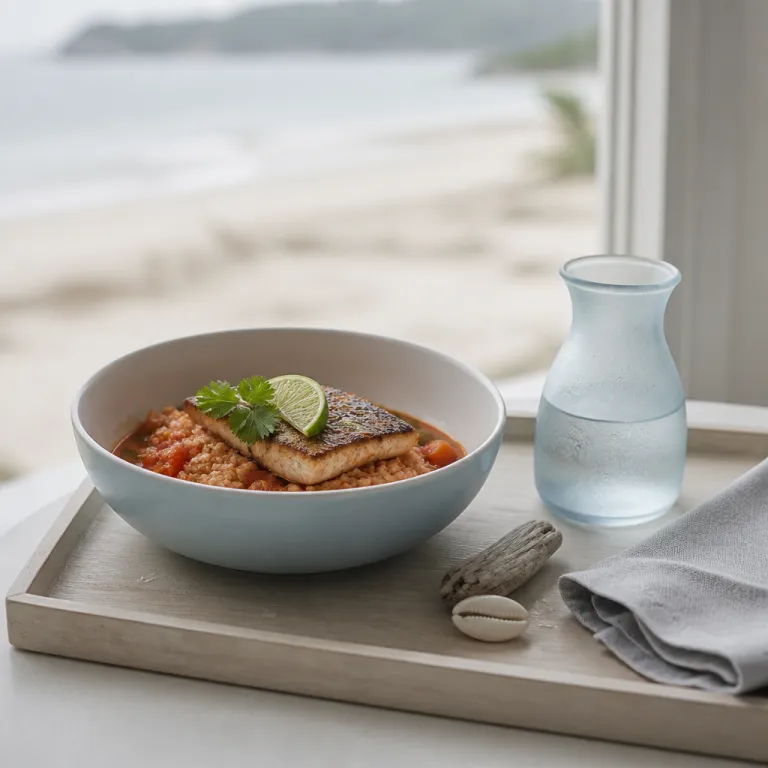
When the rain arrives, Senegal’s kitchens come alive, and August becomes a culinary season in its own right. Local chefs in Dakar and the south lean into the wet season harvest, turning crates of mangoes, fresh bissap flowers and leafy greens into menus that feel richer than anything you find in the dry season. Hotel restaurants that might play it safe in peak tourist months suddenly showcase regional recipes, because the ingredients are at their absolute best.
For senegal rainy season travel in August off season, this is where the value quietly multiplies. You might book a seafront suite for less than high season rates, then sit down to a plate of thiéboudienne built around just landed Atlantic Ocean fish and vegetables pulled from nearby farms that morning. The weather outside may shift from hot humid sunshine to a short burst of rain, but inside the dining room the rhythm is steady and generous.
Breakfast in Dakar during this month often starts with mango juice so thick it feels almost like dessert. As the day warms, hotel bars along the coastal Corniche pour chilled bissap and ginger drinks that cut through the humidity and make the wet season feel almost indulgent. When you visit Dakar in August, ask the bar team which fruits are peaking that week, because Senegal weather and rainfall patterns change the flavor profile from early to late month.
Markets respond to the main seasons with precision, and August is their lushest chapter. From July to September, stalls in the south and in Casamance overflow with okra, yams and herbs that rarely appear in such abundance during the dry season. This is the best time to book a guided market visit with a local chef, then return to your hotel for a private cooking class that translates those ingredients into refined plates.
On Gorée Island, where the light shifts dramatically after each rain, small guesthouses and premium addresses now curate monsoon tasting menus. A smart solo traveler might plan a time to visit that aligns with a late afternoon storm, then settle into a terrace table as the clouds break and the sky turns gold. For a detailed travel guide to where to sleep and eat between showers, use a Gorée Island after the museum stay and dining guide from mysenegalstay.com, which maps the best addresses for this specific month.
Service culture also changes in subtle ways during senegal rainy season travel in August off season. Staff have more time to talk, to explain why this is the best time for certain dishes, and to share how their families cook during the wet season in south Casamance or along the Senegal River. Those conversations turn a simple meal into a travel guide to the country’s main seasons, with each plate anchored in the weather outside.
Tourism operators notice that “August in Senegal offers unique experiences” and frame their messaging around seasonal cuisine and lower travel costs. They know that when guests understand the link between rain, harvest and menu, they stop fearing the wet season and start planning their next visit around it. For a solo explorer who travels year round, this is the moment when Senegal shifts from a generic winter escape to a place you return to for a specific month, a specific flavor and a specific kind of rain washed light.
Empty beaches, full rivers: where to stay along the Petite Côte and in Casamance
Along the Petite Côte, August strips away the crowds and leaves the coastline to those willing to share it with the rain. Resorts in Saly, Somone and Ngaparou see occupancy drop sharply, which means premium rooms with direct Atlantic Ocean views suddenly become accessible to travelers who usually avoid this price bracket. The weather may be hot humid between showers, but the breeze off the sea and the sound of rain on thatched roofs create a kind of coastal cocoon you rarely find in the dry season.
For senegal rainy season travel in August off season, this stretch of coast is one of the best time visit plays you can make. You wake to a warm, bright sky, walk an almost empty beach, then watch a dark line of clouds move in from the horizon while you linger over lunch. When the rain hits, it comes with force, but it usually passes quickly enough for you to return to the sand before sunset, when the light over the Atlantic Ocean turns metallic and the air feels freshly washed.
Pricing reality is where the off season really earns its reputation. Many properties along the Petite Côte quietly offer shoulder season rates, especially for guests who book longer stays or show flexibility with dates within the July to September window. A polite, informed conversation at check in about occupancy and available upgrades can turn a standard room into a suite, particularly when you signal that you understand the main seasons and are considering a return visit during the dry season.
In Casamance, the story shifts from beaches to rivers, and August is when the waterways come into their own. The River Casamance swells, mangroves deepen in color, and pirogue trips that feel shallow in the dry season suddenly glide through mirror like channels. This is the best time to book a lodge that sits directly on the river, where you can watch the rain move across the water from a covered deck, then step into a boat the moment the sky clears.
South Casamance, around Cap Skirring and the islands near Ziguinchor, feels particularly cinematic in the wet season. You get long, warm mornings on the beach, then dramatic cloud formations that turn each afternoon into a study in light and shadow. For a solo explorer, this is a time to visit when the landscape feels both intimate and expansive, with fewer guests and more space to move at your own pace.
Back in Dakar, properties like Terrou Bi show how a city hotel can also become a rainy season retreat. The pool terrace takes on a different mood under heavy clouds, and the sound of rain on the glass makes the casino and restaurants feel even more cocooned. If you want a refined beachfront escape that works in every month, read a detailed Terrou Bi luxury beachfront stay review on mysenegalstay.com before you book, then time your stay to catch both a storm and a clear day.
New openings across Senegal are also rethinking how to use the wet season rather than simply endure it. Some coastal and river lodges now design August specific programming, from photography workshops to seasonal tasting menus that lean into the weather instead of hiding from it. To track which luxury properties are reshaping the map for year round stays, consult a guide to new hotel openings in Senegal on mysenegalstay.com, which highlights which addresses feel strongest in the rainy season as well as in the dry season.
Rivers, roads and festivals: making August logistics work in your favor
August in Senegal is not only about empty beaches and monsoon menus ; it is also about how the country moves. The wet season fills rivers, softens tracks and reshapes how you plan each travel day, especially if you are heading south or inland. For senegal rainy season travel in August off season, understanding these shifts turns potential friction into part of the experience.
Rising water levels on the Senegal River and in the River Casamance are a gift for anyone who loves being on the water. Pirogue excursions that scrape the bottom in the dry season now glide smoothly, and waterfalls in regions like Kédougou and the south reach their full power. This is the best time visit for river based photography, with mist rising after each rain and the surrounding vegetation glowing in a shade of green you never see between December and March.
Roads tell a different story, especially once you leave paved highways. Tracks in rural south Casamance and around the Senegal River valley can become muddy after heavy rain, which means transfer times stretch and some excursions pause for a day or two. When you book a premium lodge in these areas during the July to September window, build flexibility into your schedule and choose properties that offer alternative activities on site for wet days.
Festivals and events do not stop for the rain ; they adapt to it. Many local festivals events in August shift performances under tents or into community halls, creating an even more intimate atmosphere for visitors. Tourism operators note a “Rise in off-season travel” and an “Interest in authentic experiences”, and they respond with travel packages that pair cultural events with discounted stays at high end properties.
For a solo explorer, this is where senegal rainy season travel in August off season becomes a strategic choice rather than a gamble. You benefit from innovation in seasonal travel discounts, with partners such as local tour guides and hospitality services bundling transfers, guides and flexible cancellation policies. When you travel year round, you quickly see that this month offers some of the best time value ratios in the country, especially once you factor in quieter hotels and richer cultural access.
Safety and comfort remain straightforward if you respect the season. Carry rain gear in your daypack, use insect repellent in the evenings, and let your hotel concierge or local guide check road conditions before you set out. Methods such as combining travel by air for long distances with local transportation on the ground help you dodge the worst of the weather while still feeling connected to the landscape.
Many first time visitors ask, “Is August a good time to visit Senegal?”, “What should I pack for Senegal in August?”, and “Are beaches accessible during the monsoon?”, and the honest answers are simple. “Yes, for unique experiences and fewer tourists.” “Waterproof clothing and insect repellent.” “Yes, but expect fewer crowds and occasional rain.” Once you internalize those truths, you stop comparing August to the dry season and start seeing it as Senegal’s best kept travel secret, a month when the country opens up quietly to those who are willing to share it with the rain.
FAQ: planning Senegal rainy season travel in August off season
Is August really a good time to visit Senegal for luxury stays ?
August is an excellent time to visit Senegal if you value space, lush landscapes and sharper pricing at high end properties. The rainy season usually brings one to three hours of intense afternoon rain, leaving long dry windows in the morning and evening for beach walks, city exploration and river trips. Luxury hotels in Dakar, the Petite Côte and Casamance often reduce rates in this month, making premium rooms more accessible than during the peak dry season.
How does the weather in August affect daily travel plans ?
Senegal weather in August is warm, humid and punctuated by short, heavy showers rather than constant drizzle. You can plan outdoor activities such as market visits, beach time and pirogue excursions in the morning, then keep indoor options like spa treatments or long lunches for the likely rain window in mid afternoon. Checking forecasts each day and staying flexible with timing is usually enough to keep your travel running smoothly.
Are beaches and coastal areas enjoyable during the wet season ?
Beaches along the Petite Côte and in Casamance remain very enjoyable in August, especially for travelers who appreciate quieter shorelines. You will encounter occasional rain and dramatic cloud formations, but you also gain almost empty sands, cooler evenings and a more atmospheric experience than in the hot dry months. Most coastal hotels are fully operational year round, adjusting service schedules around the rain so guests can still swim, dine outdoors and enjoy the Atlantic Ocean views.
What should I pack for a Senegal trip in August ?
Packing for senegal rainy season travel in August off season is simple but strategic. Bring lightweight waterproof clothing, a compact umbrella, quick drying layers and reliable insect repellent for evenings near rivers or mangroves. Closed shoes with good grip help on wet streets or muddy tracks, while a dry bag for electronics keeps your camera and phone safe during sudden showers.
How does August pricing compare to the dry season for premium hotels ?
Premium and luxury hotels across Senegal often offer lower rates in August than during the peak dry season months. Occupancy drops on the Petite Côte, in Casamance and even in Dakar, which creates room for negotiated upgrades, added amenities or longer stay discounts. If you are flexible with dates and willing to embrace the wet season, this month can deliver some of the best time value combinations for high end stays in the country.