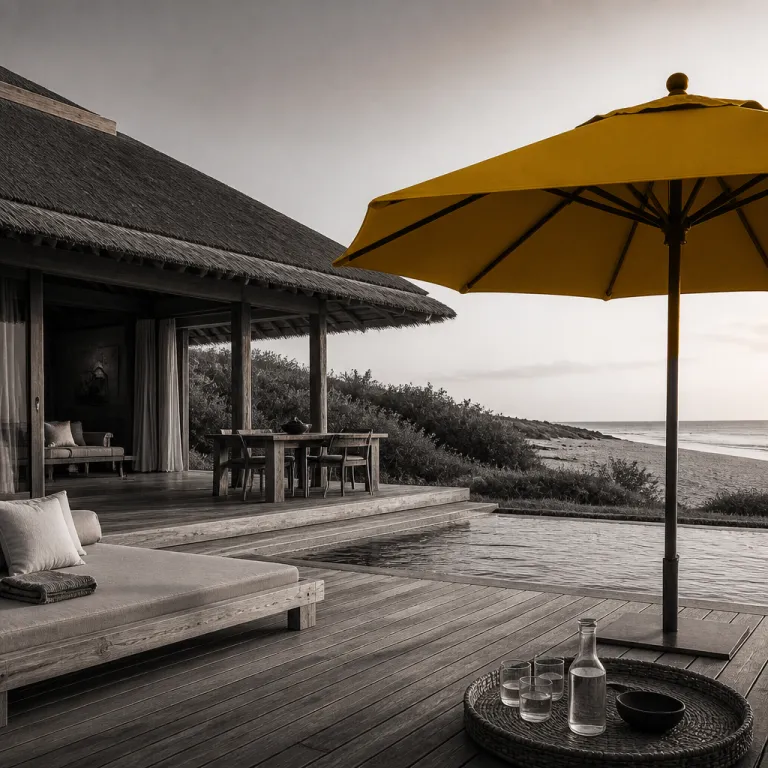
Designing your V4 travel pipeline for secluded luxury in Senegal
Planning a refined V4 travel pipeline for Senegal means structuring each stage of your journey with intention. A clear framework moves you from inspiration to booking, then to on-the-ground experiences and finally to post-stay reflections. When you treat this V4 itinerary model as a planning tool rather than a rigid checklist, you can compare secluded luxury hotels in Senegal with confidence and avoid rushed last-minute choices.
The first phase of any V4 travel pipeline focuses on defining what seclusion means for you. Some travelers want a remote Atlantic beach with only a few suites, while others prefer a quiet riverside lodge near a small village for cultural immersion. Clarifying these preferences early in your planning cycle helps you filter properties by location, room count, and access to private spaces such as plunge pools, rooftop terraces, or exclusive decks.
Once your priorities are clear, the second stage of the V4 travel pipeline is destination mapping across Senegal. The Petite Côte, Sine Saloum Delta, and Casamance each offer distinct landscapes, from mangroves to wide sandy bays and lush riverbanks. By aligning these regions with your overall itinerary, you can decide whether to focus on one secluded area or design a multi-stop route that balances rest with exploration.
Secluded Atlantic hideaways along the Petite Côte
The Petite Côte south of Dakar is often the first coastal step in a V4 travel pipeline for secluded luxury. Between Popenguine, Somone, and Ngaparou, you find intimate oceanfront properties with fewer rooms, landscaped gardens, and direct beach access. These stays suit travelers who want to keep their Senegal itinerary close to Dakar’s airport while still enjoying quiet evenings and uncrowded sands.
In Somone, the lagoon creates a natural buffer from busier resort strips and supports a calmer atmosphere. Many premium hotels here offer suites facing the estuary, where you can watch pirogues glide past at sunset and hear only the tide and birds. When your V4 planning framework includes Somone, look for properties that limit guest numbers and provide shaded private terraces rather than large shared decks; a lagoon-view junior suite typically offers the best balance of privacy and access.
Farther along the coast near Popenguine, cliffs and rocky coves frame small sandy stretches that feel more secluded. Travelers who build Popenguine into their V4 travel pipeline often value walking trails above the ocean and quiet village life over nightlife or shopping. One Dakar-based architect described arriving at dusk and hearing “only waves and distant drums from the village square,” a contrast that shaped how he now sequences coastal stops. For deeper research on hidden coastal retreats and how to integrate them into a premium itinerary, consult this guide to secluded hideaways in Senegal for discerning travelers, which highlights specific boutique hotels and driver services.
Quiet river retreats and mangrove lodges in Sine Saloum
The Sine Saloum Delta is a defining chapter in any V4 travel pipeline focused on nature and silence. This UNESCO-listed biosphere reserve blends saltwater channels, mangroves, and islands where many lodges can only be reached by boat. When your secluded travel plan includes Sine Saloum, you gain access to birdwatching, stargazing, and long, slow days on the water, often with only the sound of oars and herons for company.
Premium eco-lodges in this region often feature wooden bungalows on stilts, open-air lounges, and minimal light pollution. Guests who prioritize seclusion in their V4 travel blueprint appreciate that many properties cap capacity at a few dozen guests, which keeps shared spaces calm and service attentive. The remoteness also encourages longer stays, so plan your river segment with at least three nights here to justify the transfer time—typically about four hours by road from Dakar to Ndangane or Toubacouta under normal conditions—and fully unwind.
Some travelers pair Sine Saloum with the lush south by extending their V4 travel pipeline into Casamance. This combination links two of Senegal’s most tranquil water-based landscapes, each with distinct cultural traditions and culinary specialties. For detailed planning of high-end stays along the river, review this dedicated resource on luxury stays along the Casamance River for discerning travelers, which outlines sample boat transfers and recommended room categories.
Casamance and the art of slow travel in your V4 pipeline
Casamance, in the south of Senegal, rewards travelers who design a V4 travel pipeline around slow movement and extended stays. The region’s palm-lined beaches, rice fields, and wide river encourage a different rhythm than Dakar or the Petite Côte. When your secluded itinerary includes Casamance, you should factor in flight or ferry connections and allow time for transfers between Ziguinchor, Cap Skirring, and smaller villages, which can take one to three hours depending on road conditions.
Luxury and premium hotels in Casamance often sit within large tropical gardens, with bungalows spaced widely for privacy. Guests who prioritize seclusion in their V4 travel pipeline can choose river-facing suites, beachside villas, or garden lodges set back from shared pools. This spacing, combined with the region’s lower visitor density, creates a sense of retreat that is hard to replicate in more central locations; many travelers report hearing only rustling palms and distant drums at night.
Many travelers use Casamance as the final restorative stage of their V4 travel pipeline after more active days in Dakar or Saint Louis. Days here might revolve around quiet boat trips, village visits, and long lunches featuring fresh fish and oysters from the river. Because logistics are more complex, a well-structured plan with confirmed transfers, buffer time between domestic flights, and flexible check-in arrangements is essential to keep the experience smooth.
Urban elegance and private sanctuaries in Dakar and Saint Louis
Not every secluded stay in Senegal requires a remote setting, and a thoughtful V4 travel pipeline can include urban sanctuaries. In Dakar, several luxury hotels offer ocean-facing rooms, executive floors, and spa areas that feel insulated from city traffic. When your journey begins or ends in the capital, these properties provide a calm base for embassy visits, business meetings, or gallery tours, with airport transfers usually taking 45 to 60 minutes from Blaise Diagne International Airport.
Saint Louis, the former colonial capital, offers a different kind of urban quiet with its island setting and historic architecture. Premium hotels here often occupy restored buildings along the river, where balconies overlook pirogues and pastel facades rather than busy highways. Travelers who weave Saint Louis into their V4 travel pipeline usually value heritage, photography opportunities, and cooler evenings by the water, sometimes accompanied by live jazz drifting from nearby courtyards.
For those balancing city stays with more remote hideaways, a well-planned V4 travel pipeline might pair Dakar with the Petite Côte or Saint Louis with the nearby Langue de Barbarie reserve. This structure allows you to enjoy both cultural depth and natural seclusion without excessive travel time. To refine this balance, consult curated overviews of refined urban retreats in Senegal for seamless luxury hotel bookings and compare how each fits your personal rhythm and preferred level of privacy.
Building a seamless booking strategy for your V4 travel pipeline
A successful V4 travel pipeline for secluded luxury in Senegal depends on a clear booking strategy. Start by mapping your preferred regions, then layer in flight schedules, transfer options, and minimum stay requirements. This structured approach helps you secure limited room categories, such as oceanfront suites or river lodges, before they sell out in peak seasons, typically from November to March.
When comparing luxury and premium hotels, focus on elements that directly affect seclusion and comfort. Room count, layout, and the ratio of suites to public spaces can significantly change how quiet a property feels, even at full occupancy. Integrating these criteria into your V4 travel pipeline ensures that each booking aligns with your expectations for privacy, service, and atmosphere; for example, choosing a corner suite on an upper floor often reduces corridor noise.
Flexible cancellation policies and clear communication with hotel teams are also vital parts of a resilient V4 travel pipeline. Remote areas may face weather-related disruptions or schedule changes, so confirm transfer details and contact numbers in advance. By treating each reservation as a linked step in your overall route, you reduce stress and maintain control over your experience, especially when coordinating domestic flights, private drivers, and boat crossings.
Ethical, cultural, and environmental considerations in secluded stays
Designing a V4 travel pipeline for secluded hideaways in Senegal also involves ethical choices. Many remote hotels operate within sensitive ecosystems, from mangroves to dune systems, where water use, waste management, and energy sources matter. When you integrate sustainability checks into your planning, you support properties that invest in solar power, local sourcing, and responsible excursions that avoid disturbing wildlife.
Cultural respect is equally important, especially in smaller communities where luxury hotels sit near traditional villages. A thoughtful V4 travel pipeline includes time for guided visits, local markets, and cultural performances that are organized with community consent and fair compensation. This approach enriches your stay while ensuring that tourism revenue circulates beyond the hotel walls and supports artisans, guides, and small businesses.
Travelers should also consider seasonality and climate when shaping a V4 travel pipeline around secluded areas. Rainy periods can affect road conditions, boat transfers, and some outdoor activities, particularly in Casamance and Sine Saloum. By aligning your travel dates with local weather patterns and community calendars—such as religious festivals or fishing seasons—you enhance comfort and reduce the risk of unexpected disruptions.
Key figures on luxury and premium hotel stays in Senegal
- According to the World Travel and Tourism Council’s 2023 country report for Senegal ("Economic Impact 2023 – Senegal"), travel and tourism contributed around 9 percent of Senegal’s total GDP, highlighting the sector’s importance for national development and infrastructure investment.
- Data from the Senegalese Ministry of Tourism’s recent statistical bulletins on international arrivals indicates that visitor numbers have grown steadily over the past decade, with coastal regions such as the Petite Côte and Casamance capturing a significant share of high-end stays and repeat visitors.
- UNESCO reports that protected areas like the Sine Saloum Delta and Djoudj National Bird Sanctuary attract a growing segment of eco-conscious travelers, encouraging the development of low-density lodges and premium nature-focused accommodations.
- Air traffic statistics from Aéroport International Blaise Diagne, published in annual activity reports since its opening in 2017, show a consistent increase in international routes, improving access for travelers building multi-stop V4 travel pipelines that combine Dakar with more remote regions.
FAQ about secluded luxury hotel bookings in Senegal
Which regions in Senegal are best for secluded luxury stays ?
The most sought-after regions for secluded luxury in Senegal are the Petite Côte, Sine Saloum Delta, and Casamance. Each offers different landscapes, from wide beaches to mangroves and rivers, with low-density hotels. Travelers often combine at least two of these areas in a single V4 travel pipeline, using Dakar or Saint Louis as cultural gateways.
How many days should I plan for a secluded itinerary in Senegal ?
A well-paced secluded itinerary in Senegal usually requires at least ten to twelve days. This allows time for Dakar or Saint Louis, plus one or two remote regions such as Sine Saloum or Casamance. Shorter trips are possible, but a longer V4 travel pipeline reduces transfer pressure and supports deeper rest; a common sample route is three nights Dakar, three in Sine Saloum, and four in Casamance.
Is it easy to combine Dakar with more remote hideaways ?
Combining Dakar with remote hideaways is feasible when you plan your V4 travel pipeline carefully. The Petite Côte is reachable by road in a few hours, while Sine Saloum and Casamance may require longer drives or domestic flights. Booking transfers through your hotels or a trusted local operator helps keep the journey smooth and ensures that drivers and boat captains coordinate with your arrival times.
What should I look for when choosing a secluded luxury hotel in Senegal ?
Key factors include room count, location, access, and sustainability practices. Properties with fewer rooms, generous spacing, and strong environmental policies usually offer a more tranquil experience. Integrating these criteria into your V4 travel pipeline ensures that each stay matches your expectations for privacy and comfort, whether you prefer a beachfront suite or a river-view bungalow.
When is the best period to visit secluded areas in Senegal ?
The most comfortable periods for secluded stays in Senegal generally fall outside the heaviest rains, especially in Casamance and Sine Saloum. During these months, roads and boat routes are more reliable, and humidity is lower. Aligning your V4 travel pipeline with these windows—often from late November to April—improves both comfort and logistical reliability.