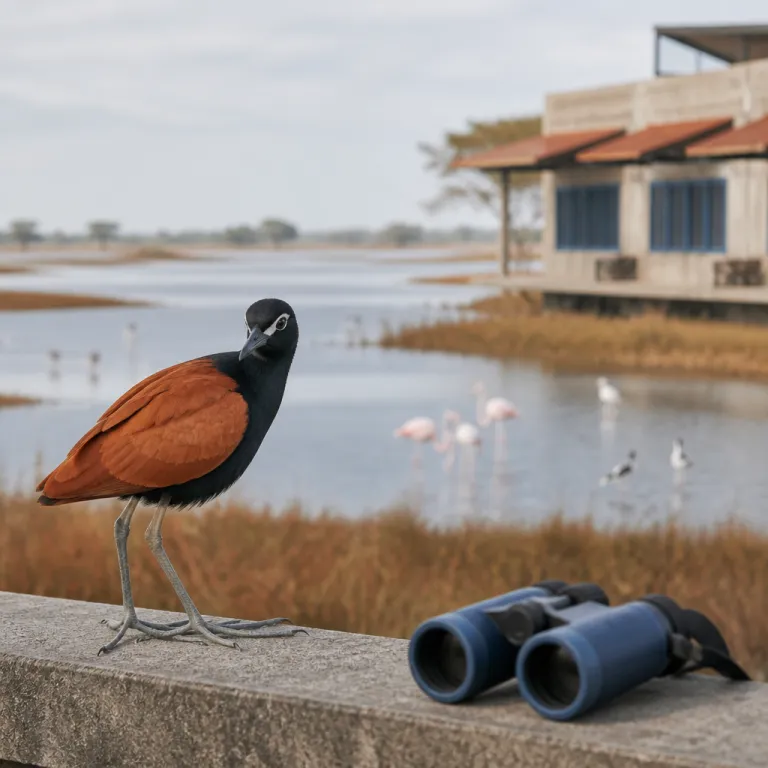
Senegal birdwatching Djoudj National Park lodges for families who travel
Senegal ranks among West Africa’s most rewarding birding countries. For families, the combination of gentle logistics, compact distances and generous teranga hospitality makes a bird focused trip feel surprisingly effortless. When you plan around the senegal birdwatching Djoudj National Park lodges circuit, you unlock a chain of wetlands, dunes and mangroves that frame every wildlife moment with comfort.
Djoudj is the headline act, a vast bird sanctuary in the Senegal River delta that pulls more than a million migratory birds after the Sahara crossing. This national bird magnet sits about 60 kilometres from Saint Louis, which remains the most atmospheric base for travelers who want both heritage streets and dawn boat access. The sanctuary offers a rare mix of easy boat trips, short trails and close range wildlife encounters that work beautifully for children and non specialist birders.
Local experts summarise the country’s appeal simply : “What are the top birding spots in Senegal? Saloum Delta National Park, Djoudj National Bird Sanctuary”. With more than 600 bird species recorded nationwide, the question is not whether you will see birds, but how you will structure your day and season to match them. The best time for the classic Djoudj national circuit runs from the dry season months of November to April, when water levels drop, visibility improves and the park concentrates life along the channels.
Djoudj National Bird Sanctuary and Langue de Barbarie from Saint Louis
Djoudj National Bird Sanctuary spreads over 16 000 hectares of shallow lakes, reed beds and sandbanks in the northern Senegal River delta. This UNESCO listed national park is one of the first freshwater stops for migratory birds after they cross the Sahara, which explains why peak counts reach around 1.5 million individuals. For families basing themselves in Saint Louis, it is the most efficient way to experience African wetland birding without long internal flights.
The best time to visit Djoudj is during the dry season, when water recedes and boat trips can thread through narrow channels lined with white pelicans and great white egrets. Early morning departures between 6:00 and 9:00 bring cooler air, softer light and a sense that the entire bird sanctuary is waking in slow motion. A second outing in the late afternoon works well for older children, when the sun drops behind the dunes and pelicans flamingos swirl back to roost.
Saint Louis itself anchors this northern circuit, with restored colonial houses now operating as characterful lodgings that understand bird focused travelers. From here, you can combine a full day Djoudj national tour with a shorter excursion to Langue de Barbarie National Park, where the thin sand spit between the Atlantic and the Senegal River shelters different species. For families travelling in the wet season shoulder months, Langue de Barbarie often remains accessible when inland tracks to Djoudj become muddy, which keeps your trip flexible and your wildlife encounters steady.
For those planning around quieter travel windows and softer rates, it is worth reading this guide to September in Senegal and the hotels that shine off peak. While the wet season brings more mosquitoes and some access challenges, the Senegal River landscapes turn lush and the contrast with the stark dry season is striking. Serious birders often return in different seasons to compare species lists, while families may prefer the predictability of the dry months for a first visit.
How to choose lodges near Djoudj and along the Senegal River
When you look at senegal birdwatching Djoudj National Park lodges, think less about marble lobbies and more about proximity to the boat jetty at dawn. Properties in Saint Louis offer the richest mix of comfort, character and access, with many arranging private transfers to the park and pre booked boat tours with vetted guides. For a premium family, that means you can keep children in bed until the last possible minute, then be on the water just as the first birds lift off.
Inside or near the national park itself, simpler lodges sit closer to the action, trading polished service for the thrill of hearing white pelicans grumble through the night. These stays suit travelers who prioritise wildlife encounters over amenities, and who understand that a short walk to the boat will often translate into better early morning sightings. Ask specifically whether the lodge can arrange boat trips at both sunrise and late afternoon, because the light and behaviour of species change dramatically between morning late and dusk.
Along the broader Senegal River corridor, a handful of small camps and guesthouses cater to bird focused tours that combine Djoudj with Langue de Barbarie and cross border African wetlands. Here, the best rooms tend to be those facing the water, where you can watch birds from your terrace while children rest between outings. If you are considering a longer trip that also dips into Dakar’s creative neighbourhoods, this family focused guide to Dakar with teenagers pairs well with a northern birding loop, giving older kids a balance of wildlife and street life.
For those tempted by the green intensity of the wet season, another useful reference is this look at August as Senegal’s best kept travel secret. While August is not the best time for Djoudj itself, coastal and delta parks can feel wonderfully empty, and some lodges offer strong value for longer family stays. In every season, the key is to match your expectations about species, comfort and access with the realities of the national park calendar.
The three birding circuits: Djoudj, Saloum Delta and Niokolo Koba
Think of Senegal’s birding map as three overlapping circuits, each anchored by a different national park and a cluster of lodges. The northern loop revolves around Djoudj National Bird Sanctuary and Langue de Barbarie, with Saint Louis as the cultural and logistical hub. This is where senegal birdwatching Djoudj National Park lodges play their starring role, especially for first time travelers and families.
Further south, the Sine Saloum Delta forms a maze of mangroves and islands that rivals any African estuary for birds and atmosphere. Lodges such as Les Palétuviers and Keur Saloum sit within or near the Saloum Delta National Park, offering boat tours at dawn, kayak outings through narrow channels and raised decks for scanning the horizon. The species mix here leans towards waders, terns and mangrove specialists, which makes it an excellent complement to the pelicans flamingos and herons of Djoudj.
The third circuit pushes inland to Niokolo Koba National Park and the hills around Kédougou, where birding blends with classic African savannah wildlife encounters. Here, trails wind through gallery forest and open woodland, and the focus shifts from dense flocks of waterbirds to more dispersed species that reward patient walks. Families who have already experienced the northern and delta parks often tackle this route as a second or third trip, when older children are ready for longer drives and more rustic lodges.
Saloum Delta lodges: Fathala, Les Palétuviers and Keur Saloum
While senegal birdwatching Djoudj National Park lodges dominate the conversation, the Saloum Delta lodges quietly deliver some of the country’s most nuanced bird experiences. Fathala Wildlife Reserve and Lodge, near the Gambian border, offers luxury tents set within a private concession that focuses on conservation of the Western Giant Eland. For birders, the appeal lies in guided drives at first light, when species move between forest patches and open clearings, and in the knowledge that a portion of your stay supports anti poaching work.
Les Palétuviers, overlooking the Saloum channels, leans into its position with a strong programme of boat trips and kayak excursions. Early morning departures glide past mangrove roots where kingfishers, herons and egrets hunt, while late afternoon cruises often end with a drink on a sandbank as birds stream overhead. The lodge’s raised decks and small viewing platforms mean that even on a rest day, you will still log new species from a comfortable chair.
Keur Saloum, powered partly by solar energy, sits on a bluff above the delta with wide views across the water and islands. Families appreciate the mix of shaded gardens, a pool for the hottest hours and easy access to boats for both short and long tours. When you combine a few nights here with time in Djoudj and perhaps a stop at Fathala, you create a trip that samples three very different African ecosystems without ever losing the thread of comfort.
On the water at Djoudj: boats, birds and photography
Most people’s defining memory of Djoudj is the first boat ride, when the channel suddenly widens and you find yourself surrounded by birds. Flat bottomed boats leave from a simple jetty inside the park, and within minutes you are gliding past rafts of white pelicans, cormorants and herons. For families, the gentle pace and constant action make these tours far more engaging than long game drives on dusty trails.
Photographers should plan at least two boat trips, one in the early morning and another in the late afternoon, to work with different light angles and behaviours. In the cool hours after dawn, great white egrets and other species feed actively, while pelicans flamingos often move between roosts in loose formations that look spectacular against a pale sky. By contrast, the second outing of the day tends to emphasise silhouettes, reflections and the slow choreography of birds settling for the night.
From a practical standpoint, a zoom lens in the 100–400 millimetre range balances reach and flexibility on a moving boat. Bring a dry bag for gear, a light scarf against the wind and insect repellent, especially in the shoulder months between dry season and wet season. Many senegal birdwatching Djoudj National Park lodges can arrange private boats for keen photographers, which allows you to linger longer with particular species or to focus on specific wildlife encounters that interest your children.
Planning a family birding trip: seasons, pacing and combining circuits
Designing a family friendly birding trip to Senegal starts with the calendar, because season shapes everything from species lists to road conditions. The dry season from roughly November to April is the best time for Djoudj, when access is straightforward and the concentration of birds along the Senegal River channels is at its peak. During these months, senegal birdwatching Djoudj National Park lodges run at full rhythm, with early breakfasts, packed lunches and flexible dinner times for guests returning from long days in the park.
Outside the core dry season, the wet season brings heavier rains, greener landscapes and a different mood across the national parks. Djoudj can become harder to reach, but the Saloum Delta and coastal areas often feel more intimate, with fewer travelers and softer pricing at many lodges. Families who value space and slower days sometimes prefer this period, accepting that certain trails or tours may not run in exchange for quieter boat trips and more time by the water.
A classic first itinerary might pair three nights in Saint Louis for Djoudj and Langue de Barbarie with four nights in the Saloum Delta, using lodges such as Keur Saloum or Les Palétuviers as a base. More ambitious travelers can then add a second trip focused on Niokolo Koba and Kédougou, or return in another season to compare species and light. In every case, the strength of Senegal’s hospitality scene lies in how these parks and lodges talk to each other, allowing you to build a coherent journey where each sanctuary, each national park and each river bend adds a new layer to your family’s memory of birds over the delta.
Key figures for birding and lodges in Senegal
- Senegal hosts around 600 recorded bird species, according to the Senegalese Ornithological Society, which places the country among West Africa’s richest avian destinations.
- Djoudj National Bird Sanctuary covers approximately 16 000 hectares in the Senegal River delta, creating a vast mosaic of wetlands that support both resident and migratory birds.
- During peak migration season, up to 1.5 million birds may use Djoudj as a stopover, including an estimated 5 000 white pelicans in some counts reported by specialist guides.
- Tourism authorities estimate around 5 000 dedicated birdwatching visitors travel to Senegal each year, a modest but growing segment that supports lodges near key national parks.
- Many family friendly lodges in the Saloum Delta and along the Senegal River now schedule boat trips in two daily windows, typically early morning and late afternoon, to align with the most active bird behaviour.
FAQ about birdwatching, parks and lodges in Senegal
What are the top birding spots in Senegal for a first trip ?
For a first visit, most travelers focus on Djoudj National Bird Sanctuary near Saint Louis and the Saloum Delta National Park further south. This combination delivers dense flocks of waterbirds in Djoudj and more intimate mangrove birding in the delta, all supported by a growing network of comfortable lodges. Families can then add shorter visits to Langue de Barbarie or coastal reserves if time allows.
When is the best time to visit Djoudj and the Saloum Delta ?
The best time for Djoudj and the classic northern circuit runs from roughly November to April, during the dry season when access roads are reliable and water levels concentrate birds. Saloum Delta also performs well in these months, though some travelers enjoy the greener landscapes and quieter lodges of the early wet season. If your priority is maximum species diversity and easy logistics, aim for the heart of the dry period.
Are Senegal’s birding lodges suitable for families with children ?
Many lodges near the main national parks are well suited to families, with flexible meal times, pools for downtime and the ability to arrange shorter boat trips or walks. Properties in Saint Louis and the Saloum Delta in particular understand the needs of multi generational groups and can tailor activities to different energy levels. It is worth confirming in advance whether guides are comfortable working with children and whether family rooms are available.
How many days should I plan for a birding focused itinerary ?
A focused senegal birdwatching Djoudj National Park lodges itinerary needs at least six to eight days to feel balanced. That allows three nights in Saint Louis for Djoudj and Langue de Barbarie, plus three or four nights in the Saloum Delta for a different ecosystem and slower pace. Birders with more time can extend to Niokolo Koba or add cultural days in Dakar before or after the wildlife segments.
Do I need specialist equipment for birding in Senegal’s parks ?
You do not need advanced gear, but a good pair of binoculars and a camera with a moderate zoom will significantly enhance the experience. Lightweight clothing, a hat, sunscreen and insect repellent are essential, especially on open boats in Djoudj and in the mangroves of the Saloum Delta. Many lodges can provide basic field guides or connect you with local experts who carry their own reference materials.
References : Senegalese Ornithological Society ; Ministry of Tourism of Senegal ; UNESCO World Heritage Centre.