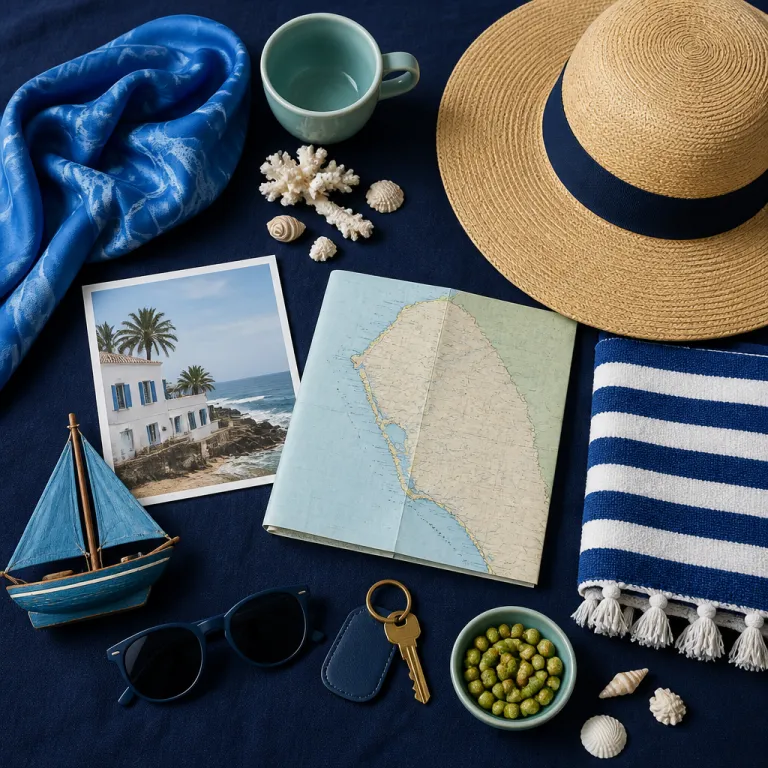
Senegal travel for luxury seekers along the Atlantic edge
Senegal travel rewards guests who value refined comfort, coastal light, and layered history. This Atlantic country in West Africa combines polished luxury hotels with wild ocean views, creating a rare balance between serenity and cultural depth. Every travel day can move from private infinity pools to powerful heritage sites within a short drive.
The capital Dakar anchors most premium stays in Senegal, and it sets the tone for the rest of the trip. Here, five star properties line the Corniche, where the west facing coast offers some of the best sunsets in West Africa. Flagship addresses such as the Radisson Blu Hotel, Terrou-Bi Resort, and Pullman Dakar Teranga illustrate the city’s mix of resort style pools and urban energy. Many travelers start their Senegal itinerary with two or three nights in Dakar before continuing to islands, national parks, or the Lompoul Desert.
For high end guests planning to visit Senegal, timing matters as much as location. The best time for a luxury Senegal travel experience is usually the dry season, when skies are clear and the Atlantic breeze softens the heat. During this period, transfers between Dakar, Saint Louis, Cap Skirring, and rural areas run more smoothly, which is essential when you rely on tight schedules and private drivers. As a Dakar concierge at a Corniche hotel put it in early 2024, “In the dry months we can predict traffic and road conditions much better, which keeps itineraries on time.”
Entry into the country is relatively straightforward for many visitors, which supports seamless Senegal trip planning. As of early 2024, the Senegalese National Tourist Office notes that no visa is required for stays up to 90 days for citizens of the European Union, the United Kingdom, the United States, Canada, and several ECOWAS states; however, rules vary by passport and can change, so always confirm with an embassy or consulate before departure. The same official travel guide indicates that the yellow fever vaccination is recommended for all travelers and required if arriving from endemic areas, so check your route and medical history with a travel clinic at least 10 days before departure.
Luxury travelers should still prepare carefully for each travel day, even when staying in the best hotels. The local currency is the West African CFA franc, also called the African CFA, and high end properties in Dakar or Saint Louis usually accept major cards. Carry some cash in CFA franc for tipping, small purchases, and transfers in rural areas where card terminals can be unreliable. As a rule of thumb, many concierges suggest keeping the equivalent of €50–€100 per day in small notes for incidental expenses outside your hotel.
Health and safety remain central to any premium Senegal itinerary, especially for families or older guests. According to World Health Organization country data consulted in 2023, Senegal has recorded a national malaria incidence of roughly 0.3 confirmed cases per 1 000 people in recent years, a relatively low rate that still warrants standard precautions. Pack prescriptions, use hotel provided mosquito protection, and follow the Ministry of Tourism advice to stay aware of surroundings in busy urban zones. In practice, this means using licensed taxis, avoiding isolated beaches at night, and storing passports and high value items in room safes.
Gorée Island and Dakar’s coastal luxury: heritage with ocean views
Gorée Island sits just off Dakar, and it shapes many Senegal travel plans for culturally engaged guests. Luxury travelers often combine a morning visit to Gorée Island with an afternoon spa treatment or a sunset dinner back on the mainland. This rhythm allows you to absorb intense history, then return to the calm of a high end suite overlooking the Atlantic.
The island is best known for the Maison des Esclaves, or House of Slaves, which has become a central site in West African memory. Many visitors choose a private guide for this visit, ensuring context and space for reflection during the day. The narrow streets, pastel houses, and sea views contrast sharply with the stories told inside the House of Slaves, which makes the experience emotionally powerful. A typical private tour lasts around two hours, leaving time to wander the quieter back lanes before returning to Dakar.
Because Gorée Island is small, the best time to visit is early in the morning or late in the afternoon. Ferries from Dakar usually take about 20 minutes and run several times per hour in peak periods, and hotel concierges will often coordinate timings and private transfers to the terminal. Expect the drive from most Corniche hotels to the ferry port to take 15–30 minutes depending on traffic. Plan at least half a travel day for Gorée Island, especially if you want quiet moments away from the main paths.
High end travelers often ask whether to stay overnight on the island or return to Dakar. For most, the most comfortable option is to sleep in a luxury property in Dakar and treat Gorée Island as a curated day trip. For detailed ideas on where to sleep and dine after your visit, consider this in depth guide to where to stay, eat, and watch the light change after the museum.
Back in Dakar, the city’s coastal districts offer some of the best west facing terraces in West Africa. Upscale hotels cluster around the Corniche Ouest and the Almadies area, where the ocean crashes against volcanic rocks. Here, a typical evening might move from a rooftop bar to a fine dining restaurant serving French influenced Senegalese cuisine. Tasting menus often feature grilled thiof (local white fish), yassa chicken with citrus onions, and refined takes on thiéboudienne paired with French wines.
When you explore Senegal at the higher end of the market, service quality becomes a key differentiator. Many properties employ staff fluent in both French and English, which helps international guests navigate reservations, transfers, and special requests. Ask your concierge to arrange a private guide for Gorée Island and Dakar, ensuring that each visit aligns with your pace and interests. In peak season, booking drivers and restaurant tables at least 24 hours in advance will help keep your schedule smooth.
Saint Louis, national parks, and Lompoul Desert: scenic getaways in the north
North of Dakar, Saint Louis offers one of the most atmospheric city breaks in Senegal travel. The historic island of Saint Louis, linked to the mainland by bridges, once served as a major French colonial hub in West Africa. Today, its faded facades, balconies, and horse drawn carriages create a cinematic backdrop for slow, luxurious stays.
Many high end travelers structure their Senegal route as a triangle between Dakar, Saint Louis, and the nearby national park zones. The Langue de Barbarie and Djoudj National Bird Sanctuary lie within reach, offering boat trips through wetlands rich in migratory birds. For families, these excursions pair beautifully with comfortable hotels in Saint Louis, where you return each day to refined dining and river views. Boutique properties on the island typically offer 10–30 rooms, creating an intimate atmosphere compared with the larger resorts in Dakar.
The best time to visit these northern national park areas usually falls during the dry season, when tracks are more accessible and wildlife viewing is easier. A dedicated guide can help you plan each travel day, balancing early morning outings with long lunches back in town. Many luxury properties in Saint Louis will arrange private 4x4 vehicles, boats, and bilingual guides on request. As a rough guide, a full day private excursion for two to Djoudj with transport and lunch can range from €150 to €300 depending on season and inclusions.
Between Dakar and Saint Louis lies the Lompoul Desert, a compact dune system that feels surprisingly remote. Upscale tented camps here allow guests to experience a slice of Sahara like landscape without long transfers across the country. The drive from Dakar to Lompoul typically takes around three and a half to four hours by private vehicle, with an additional short 4x4 transfer into the dunes. For many, a night in the Lompoul Desert becomes a highlight of their Senegal itinerary, especially when combined with stargazing and traditional music.
Families and active travelers can extend their Senegal travel beyond the north by adding soft adventure experiences. For inspiration on how to combine kayaking, hiking, and wildlife with comfortable lodges, explore this curated overview of Senegal’s best outdoor adventures for families. These activities fit naturally into a premium trip, especially when you return each evening to high quality linens and attentive service.
When you visit Senegal with a focus on nature, remember that rural areas operate at a different rhythm than Dakar or Saint Louis. Cash in CFA franc is essential here, and mobile coverage can be patchy, so confirm all logistics with your guide in advance. Many West African travelers appreciate this slower pace, which contrasts with the polished efficiency of capital city hotels. Building in unscheduled afternoons allows you to enjoy impromptu tea stops, village markets, or birdwatching sessions along the river.
Cap Skirring and the Casamance coast: tropical luxury in the south
Far from Dakar, Cap Skirring in the Casamance region offers a softer, greener side of Senegal travel. This southern coast, close to the border with Guinea Bissau, is known for palm lined beaches and a more tropical climate than the north. For many repeat visitors, Cap Skirring represents the most relaxing part of a Senegal trip, especially after intense cultural days in Dakar or Gorée Island.
Luxury and premium hotels in Cap Skirring often sit directly on the sand, with suites opening onto the Atlantic. Here, the best time to visit usually aligns with the local dry season, when humidity drops and sea conditions are calmer. Because the region is more remote than Dakar or Saint Louis, many guests choose to fly rather than drive, saving time and energy. The flight from Dakar to Cap Skirring typically takes about one hour, while the overland journey can stretch to 10–12 hours depending on route and roadworks.
The Casamance region also showcases a different face of West African culture, with strong local traditions and lush landscapes. A skilled guide can help you navigate visits to villages, mangrove creeks, and small islands while respecting community norms. Dress modestly when entering rural areas, and always ask permission before taking photographs, especially during ceremonies. In some villages, a small contribution to community funds is customary when visiting sacred sites, so carry low denomination CFA notes.
High end properties in Cap Skirring typically accept major cards, but carrying some African CFA notes remains wise. Smaller restaurants, craft markets, and independent drivers may only work with cash in CFA franc, particularly outside the main resort zone. Plan each travel day with your concierge, who will know which services require advance booking and which can be arranged spontaneously. Sunset boat trips through the mangroves, for example, often need to be reserved a day ahead to secure the best local skippers.
Because Cap Skirring lies far from the capital, many travelers combine it with a final night in Dakar before flying home. This structure allows you to enjoy a last sunset over the west facing coast, perhaps with a French inspired tasting menu. It also gives time for any last minute shopping, whether for local textiles, art, or gourmet products to remember your Senegal travel experience. Popular souvenirs include handwoven baskets, indigo dyed fabrics, and small bronze sculptures from Dakar’s artisan markets.
When you travel Senegal from north to south, you will notice how the country’s character shifts. Saint Louis feels historic and windswept, while Cap Skirring feels intimate and tropical, yet both remain distinctly Senegalese. This diversity is what makes a carefully planned visit so rewarding for luxury travelers who value contrast and nuance.
Money, language, and timing: practical elegance for Senegal travel
Thoughtful planning turns a good Senegal travel itinerary into a seamless, elegant journey. Start by aligning your dates with the best time for your preferred regions, whether that is the dry season in the north or shoulder periods on the Casamance coast. Remember that climate, festival calendars, and personal comfort all shape the ideal time to visit.
The national currency is the West African CFA franc, shared with several neighboring states in West Africa. High end hotels in Dakar, Saint Louis, and Cap Skirring usually quote rates in both African CFA and euros, but local payments still happen in CFA franc. Inform your bank of your Senegal trip dates, and carry at least some cash for tips, taxis, and purchases in rural areas. In practice, many visitors withdraw a larger amount once in Dakar and then top up only if needed.
French is the main administrative language in Senegal, and it dominates hotel operations, menus, and signage. In luxury properties, staff often speak English as well, yet learning a few French phrases will enrich every travel day. You will also hear Wolof and other local languages, especially when you visit markets, beaches, and villages away from the main tourist routes. Simple greetings in Wolof, such as “Salaam aleikum” and “Nanga def?” are warmly received and can open conversations.
Payment habits vary between urban and rural areas, which matters when you travel beyond Dakar. In the capital and major resorts, cards are widely accepted, while in smaller towns near national park entrances cash remains essential. Ask your guide or concierge to estimate daily cash needs, then withdraw in Dakar where ATMs are more reliable. Some rural lodges accept bank transfers in advance for larger amounts, reducing the need to carry significant cash on the road.
Time management is another subtle but important part of premium Senegal travel. Distances on the map can be deceptive, and traffic leaving Dakar or entering Saint Louis may extend a travel day. Build generous buffers between check out, transfers, and activities, especially when you plan to visit both Gorée Island and the airport on the same day. Allow at least three hours between your scheduled ferry return and international departure to account for traffic and security checks.
For official updates on entry rules, health advice, and tourism initiatives, consult the Senegalese Ministry of Tourism and the Senegalese National Tourist Office before you finalize bookings. Their data shows a steady rise in visitor numbers, which means the best hotels can fill quickly during peak periods. Early planning ensures that your Senegal itinerary aligns with your preferred room categories, views, and services. Booking six to nine months ahead for festive season stays in Dakar and Cap Skirring is common among frequent visitors.
Choosing and booking luxury hotels: from Dakar to islands and deserts
Selecting the right properties is central to any high end Senegal travel plan. Start by mapping your route between Dakar, Saint Louis, the Lompoul Desert, Cap Skirring, and any islands or national park areas you wish to include. Then choose hotels that minimize backtracking, reduce transfer times, and match your expectations for design, privacy, and service.
In Dakar, many of the best hotels sit along the Corniche, offering direct ocean views and easy access to ferries for Gorée Island. These properties suit travelers who want to visit heritage sites by day and return to refined restaurants and spas each evening. When comparing options, look for details such as soundproofing, pool orientation, and concierge strength, as these shape the feel of every travel day. Suites facing west capture the most dramatic sunsets, while rooms overlooking gardens can be quieter for light sleepers.
Saint Louis calls for a different style of luxury, often in restored historic buildings on or near the island. Here, the charm lies in balconies over the river, inner courtyards, and proximity to cultural venues, rather than in towering skyscrapers. A good guide or specialist agency will help you match your preferences with the right address, especially if you value quiet nights. Some heritage hotels host live jazz or storytelling evenings, so ask in advance if you prefer a more tranquil atmosphere.
For the Lompoul Desert, focus on camps that balance comfort with environmental responsibility. High end tents with proper beds, quality linens, and private facilities can still operate with low impact on fragile dunes. Ask how the camp manages water, waste, and energy, and how it collaborates with local communities in nearby rural areas. Many premium camps employ residents from surrounding villages as guides and musicians, which adds authenticity and supports the local economy.
Cap Skirring and the wider Casamance region offer a mix of international resorts and intimate coastal lodges. When you explore Senegal in this southern zone, consider whether you prefer all inclusive simplicity or more flexible, à la carte stays. Either way, confirm transfer options in advance, as flight schedules and road conditions can affect the time to visit each property. In high season, domestic flights can sell out, so align hotel bookings with confirmed transport before paying non refundable deposits.
For deeper context on one of the country’s most meaningful heritage sites, many luxury travelers consult this detailed luxury traveler’s guide to Gorée Island. Combining such expert resources with the official travel guide information from national authorities will help you build a coherent, emotionally rich Senegal trip. With careful planning, every segment of your journey, from city to island to desert, will feel both effortless and deeply memorable.
Key figures for luxury and premium travel in Senegal
- Recent estimates from the Senegalese Ministry of Tourism, published in 2023, indicate tourist arrivals of around 1.5 million people per year, reflecting strong growth in demand for both mid range and luxury stays (check the latest annual report for updated figures).
- The World Health Organization has reported a national malaria incidence of roughly 0.3 cases per 1 000 people in recent years, a relatively low rate that still warrants standard precautions for high end travelers (always verify the most current data in the WHO country profile for Senegal).
- Senegal’s tourism authorities highlight year round accessibility, yet occupancy in top hotels peaks during the dry season, which reinforces the need for early booking in Dakar and Cap Skirring.
- Official data from national bodies show rising interest in eco tourism and adventure activities, encouraging more premium lodges near national park areas and the Lompoul Desert.
- Partnerships between local tour operators and international travel agencies support a growing segment of curated Senegal travel itineraries, especially for guests seeking private guides and tailored services.
Frequently asked questions about luxury travel in Senegal
Do I need a visa to visit Senegal for a luxury holiday ?
Many travelers do not need a visa for stays up to 90 days, which simplifies planning for high end trips. As of 2024, citizens of the European Union, the United Kingdom, the United States, Canada, and several West African countries can usually enter visa free for short tourist visits, while some other nationalities must obtain a visa in advance. Always verify current rules with the Senegalese Ministry of Tourism, an official consulate, or your airline before you finalize bookings. Luxury hotels in Dakar and Saint Louis can also help you interpret any updates close to your travel day.
Is yellow fever vaccination mandatory for Senegal travel ?
The yellow fever vaccine is recommended for all visitors and required if you arrive from a country where the disease is endemic. Check your vaccination record well before your time to visit, as some vaccines need several days to become fully effective. Many premium travelers consult a specialist clinic to coordinate malaria prevention and other health measures alongside their Senegal plans. Bring a printed or digital copy of your International Certificate of Vaccination, as airlines or border officials may request proof.
What is the safest way to handle money during a luxury stay ?
The safest approach is to combine cards with cash in West African CFA franc. Use ATMs in Dakar or major cities, then carry smaller amounts for rural areas, tips, and markets. High end hotels usually offer safes in rooms, and you can ask the concierge for guidance on typical daily budgets. Splitting cash between a money belt, a day bag, and the room safe adds another layer of security.
When is the best time for a high end Senegal travel itinerary ?
The dry season is generally the best time for comfort, road conditions, and coastal enjoyment. This period suits visits to Gorée Island, Saint Louis, national park zones, and Cap Skirring, especially for first time guests. Shoulder months can also work for travelers who prefer fewer crowds and are flexible with weather. If you plan to attend major festivals or cultural events, check exact dates a year in advance and book key hotels early.
How can I find reliable guides and drivers for my trip ?
The most reliable method is to book through your luxury hotel or a trusted travel agency that specializes in West Africa. These partners vet guides, ensure appropriate vehicles, and coordinate timing between Dakar, islands, deserts, and rural areas. You can also consult information from the Senegalese National Tourist Office when cross checking recommendations. In addition, asking for the same driver throughout your itinerary can create continuity and a stronger sense of safety.
Sources : Senegalese Ministry of Tourism (tourism statistics and policy updates consulted 2023–2024) ; Senegalese National Tourist Office (entry rules and practical guidance checked 2023–2024) ; World Health Organization country profile for Senegal (malaria incidence and health recommendations last reviewed 2023–2024 ; always confirm the latest guidance before you travel).