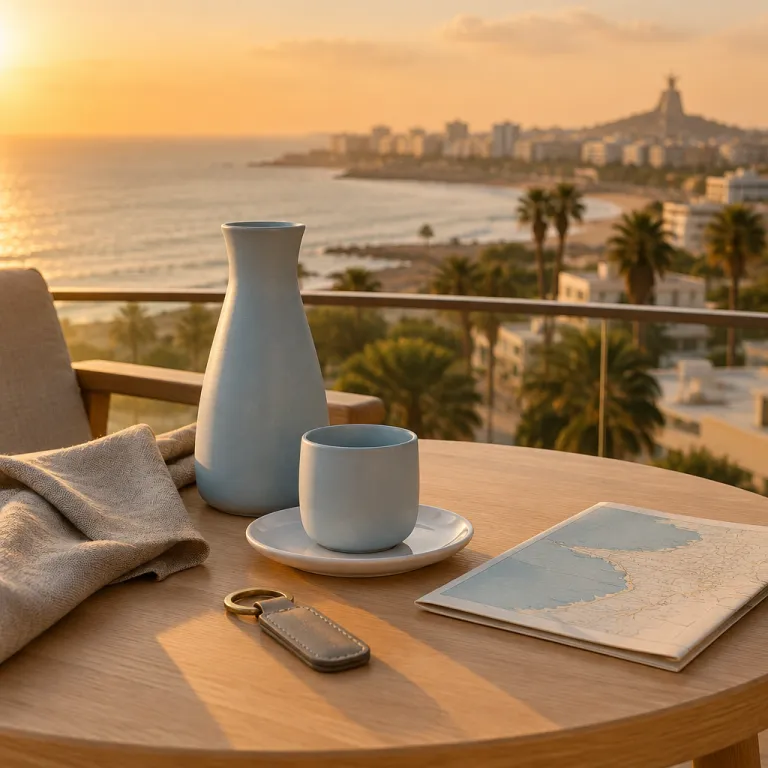
Understanding where Dakar is and why its location matters
Dakar sits on the Cap-Vert Peninsula, the westernmost point of mainland Africa. This coastal position explains why the city evolved into a strategic hub for maritime trade and later aviation, shaping how luxury hotels frame their ocean views and urban experiences. When travellers ask where is Dakar, they are really asking how this edge-of-the-Atlantic setting influences every stay in the Senegalese capital.
The capital lies in the northwestern part of Senegal, facing the Atlantic Ocean and looking toward Cape Verde across open water. This geography places Dakar at the crossroads between West Africa and Europe, with France only a few hours away by air and the metropolis acting as a natural gateway for both business and leisure travellers. Understanding where Dakar is on the map helps you plan airport transfers, choose between central districts, and decide whether you want a sea-facing suite or a more discreet urban retreat in the heart of the city.
For many visitors, the question where is Dakar also includes how to reach it smoothly and comfortably. Dakar’s main international airport is Blaise Diagne International Airport, often called Diagne International Airport, located about 50 kilometres from the central districts of the capital. Knowing that the international airport sits outside the densest areas allows you to coordinate private transfers with luxury hotels, avoid traffic at peak hours, and arrive at your chosen urban retreat with minimal stress.
From colonial port to dakar capital of style and hospitality
The story of where is Dakar cannot be separated from its past as a colonial port in French West Africa. During the colonial period, the city served as an administrative centre for French West Africa, and this legacy still shapes the architecture of many premium hotels around Place de l’Indépendance and the central plateau. When you book a luxury stay in Dakar, Senegal, you are often sleeping inside buildings whose façades once housed colonial offices, banks, and trading houses.
Today, Dakar is the capital and largest city of Senegal, often described as the country’s primary urban centre, with a population that runs into several million residents across the wider metropolitan area. Official estimates from Senegal’s national statistics agency and international institutions such as the World Bank confirm that the broader Dakar region has grown rapidly over recent decades. This dense population creates strong demand for refined accommodation, from heritage properties near Place de l’Indépendance to contemporary towers in the business districts. When travellers research where Dakar is, they usually also compare neighbourhoods, reading detailed hotel articles and honest reviews to understand which urban retreat best matches their style and expectations.
For guests seeking reliable guidance, curated hotel reviews focused on Senegal, Dakar and its premium addresses can be invaluable. Independent luxury hotel reviews in Senegal help you navigate between historic properties, new openings, and under-the-radar addresses in the capital. As one Dakar-based concierge at the iconic Pullman Dakar Teranga explains, “First-time visitors often underestimate how big the city feels, so we always start by asking what they want to wake up to: the sound of waves or the buzz of downtown.” When you combine this kind of local insight with a clear sense of where Dakar is located within West Africa, you can confidently select a property that balances heritage, comfort, and proximity to the city’s most compelling sights.
Gorée island, slave trade memory and refined stays by the sea
Understanding where Dakar is also means understanding its relationship with Gorée Island, one of the most poignant sites in West Africa. The island of Gorée lies just off the coast, a short boat ride from the central port, and it once played a role in the transatlantic slave trade that linked Africa, Europe, and the Americas. Today, travellers often choose luxury hotels along the Dakar waterfront so they can visit Gorée Island by day and return to serene, contemporary comfort by night.
The House of Slaves on Gorée Island functions as both a museum and a memorial, reminding visitors that the modern capital grew in the shadow of the slave trade and later transformed into a dynamic African metropolis. When you stand on the island and look back at Dakar, the question where is Dakar becomes emotional as well as geographical, because you see how close the colonial past sits to the present-day skyline. Many premium hotels now integrate curated excursions to Gorée Island, pairing private guides with flexible check-in and check-out times so guests can absorb the experience at their own pace.
As the hospitality scene evolves, hotel bars and lounges in Dakar are reimagining how guests unwind after such powerful visits. Innovative properties are embracing the so-called Senegalese sundowner, blending bissap, bouye, and local botanicals into refined aperitif rituals that frame the Atlantic horizon. To understand how these experiences fit into a broader stay in Senegal, you can explore insights on how Dakar’s hotel bars are redefining the aperitif, then choose a property whose bar program matches your taste for local flavour and understated luxury.
Climate, seasons and when to book your urban retreat in Dakar
Once you know where Dakar is on the map, the next question is when to go. Dakar has a warm semi arid climate, with a relatively cool dry season from roughly November to May and a more humid rainy season that usually peaks between August and early October. Because the city sits on the Atlantic coast, sea breezes often moderate the climate, making evenings pleasant even when daytime temperatures rise.
Climate change is already influencing weather patterns in West Africa, including the coastal belt around Dakar. Travellers planning high end stays should pay attention to updated climate data, especially if they prefer specific conditions for oceanfront pools, rooftop terraces, or outdoor dining in the capital. When you research where Dakar is in relation to the Atlantic and the Sahel, you will better understand why some months feel cooler, why the harmattan winds can bring dust from the interior, and why certain hotels invest heavily in shaded courtyards and cross ventilation.
Many seasoned visitors now choose to travel in so called shoulder months, when the population of tourists is lower and premium hotels in Dakar offer more flexible rates. To evaluate whether a particular month suits your style, you can consult in depth travel features such as analysis of August travel in Senegal, which explain how rainfall, sea conditions, and hotel occupancy interact. When you combine this seasonal insight with a clear sense of where Dakar is located along the Atlantic, you can time your booking to enjoy quieter beaches, attentive service, and a more relaxed urban rhythm.
From Blaise Diagne International Airport to central Dakar: navigating arrivals
Knowing where Dakar is also involves understanding the distance between Blaise Diagne International Airport and the central districts of the capital. Blaise Diagne International Airport, sometimes referred to as Diagne International Airport, lies inland near the town of Diass, roughly 50 kilometres from downtown. This separation means that airport transfers are a key part of any luxury stay in Dakar, especially for guests arriving on late night international flights.
Most premium hotels in Dakar offer pre arranged transfers from Blaise Diagne International Airport, using private cars or chauffeured SUVs that can navigate traffic efficiently. When you book, ask the concierge to estimate the travel time between the international airport and your chosen neighbourhood, because journey durations can vary significantly between early morning, midday, and evening. Understanding where Dakar is in relation to the airport also helps you decide whether to spend your first night closer to the coast or to break the journey with a stay near the emerging resort zones between the airport and the capital.
For travellers who value efficiency, it is worth noting that Dakar once relied on Léopold Sédar Senghor International Airport, located much closer to the city centre. While this older airport no longer handles regular commercial traffic, its legacy still shapes how locals talk about air travel and how they describe where Dakar is in relation to former and current aviation hubs. When planning your trip, always confirm that your arrival and departure are through Blaise Diagne International Airport, then coordinate with your hotel so that your first impression of Dakar is smooth, secure, and aligned with the level of service you expect from a premium urban retreat.
Urban districts, cultural landmarks and how location shapes your stay
Once you have answered the question where is Dakar in a broad sense, it is time to look at the city’s internal geography. The central plateau around Place de l’Indépendance forms the historic and administrative heart of Dakar, with grand avenues, colonial era façades, and several of the city’s most established luxury hotels. Staying here places you close to ministries, banks, and corporate headquarters, making it ideal for business travellers who need quick access to meetings and formal dinners.
Beyond the central plateau, neighbourhoods such as Almadies, Ngor, and Mermoz offer a different interpretation of where Dakar is for the discerning guest. These coastal districts stretch along the Atlantic, with many premium hotels and residences perched above rocky coves or sandy beaches, creating a more resort like atmosphere within the city. When you choose between central and coastal locations in Dakar, consider whether you prefer walking access to museums and markets or immediate proximity to surf breaks, beach clubs, and sunset facing terraces.
Cultural landmarks also influence how travellers think about where Dakar is in relation to the wider history of Senegal and West Africa. The Museum of Black Civilisations, the IFAN Museum, and the African Renaissance Monument all sit within easy reach of major hotel clusters, allowing guests to move seamlessly between curated exhibitions and refined suites. By mapping your preferred attractions against the layout of Dakar, you can select an urban retreat that reduces travel time, enhances security, and frames the city’s cultural richness through the lens of attentive, personalised hospitality.
Regional context: Dakar, Saint-Louis and the wider West African network
To fully grasp where is Dakar, you need to place it within the regional network of West Africa. Dakar stands on the Atlantic coast, while Saint-Louis, another historic city in Senegal, lies to the north near the border with Mauritania, forming a complementary pair of destinations for travellers interested in both colonial heritage and contemporary culture. Many visitors now combine a stay in the capital with a side trip to Saint-Louis, using premium hotels in each city as bases for exploring contrasting landscapes and rhythms.
Dakar’s role as a regional hub extends beyond Senegal, connecting to Cape Verde by air and sea and linking West Africa to Europe, especially France, through dense flight networks. When travellers ask where is Dakar in relation to Paris or other European cities, the answer is often framed in flight times and airline routes, with the capital’s main airport acting as a bridge between continents. According to publicly available data from Senegal’s civil aviation authorities, Blaise Diagne International Airport handles several million passengers per year, underlining its importance for international connectivity and supporting a steady flow of guests who expect high standards of service, multilingual staff fluent in French and English, and seamless coordination between airport arrivals and hotel check in.
Within Senegal itself, the question where is Dakar also touches on internal migration and the concentration of population in the capital region. The city has attracted residents from across the country and from neighbouring African states, creating a cosmopolitan urban fabric that shapes everything from restaurant menus to hotel staffing. For travellers booking luxury stays, this means access to a deep pool of hospitality professionals, rich cultural programming, and a sense that every urban retreat in Dakar is plugged into a wider West African story that extends far beyond the hotel walls.
Key figures on Dakar, Sénégal and its hospitality landscape
- The metropolitan area of Dakar, Senegal hosts several million residents, making it the most densely populated urban zone in the country and reinforcing its status as the capital and largest city.
- Blaise Diagne International Airport handles several million passengers per year, positioning Dakar as one of the principal aviation gateways in West Africa and supporting sustained demand for premium accommodation.
- The distance between Blaise Diagne International Airport and central Dakar is roughly 50 kilometres, a transfer that typically takes between 45 and 90 minutes depending on traffic and time of day.
- Gorée Island lies about 3 kilometres off the coast of Dakar, with regular boat services allowing day trips that combine heritage visits with same day returns to urban hotels.
- The coastal location of Dakar contributes to slightly cooler average temperatures than inland Sahelian cities, which is one reason many international travellers choose the capital as their primary base in the region.
FAQ about where Dakar is and how to plan a luxury stay
Where exactly is Dakar located within Sénégal and West Africa ?
Dakar is located on the Cap-Vert Peninsula in the northwest of Senegal, projecting into the Atlantic Ocean and forming the westernmost point of mainland Africa. It sits within the broader West African region, with relatively short flight times to cities such as Abidjan, Bissau, and Praia, as well as to European hubs like Paris. This position makes Dakar a natural gateway for travellers combining regional itineraries with long haul journeys.
How far is Blaise Diagne International Airport from central Dakar hotels ?
Blaise Diagne International Airport lies about 50 kilometres from central Dakar, with transfer times ranging from 45 minutes to around 90 minutes depending on traffic. Most luxury and premium hotels in the capital offer private transfers or can arrange trusted drivers to meet you at the international airport. It is advisable to confirm transfer details when booking, especially for late night or early morning arrivals.
Is Dakar a good base for visiting Gorée Island and other heritage sites ?
Yes, Dakar is the ideal base for visiting Gorée Island, the House of Slaves, and several major museums dedicated to African and diasporic history. Boat departures to Gorée Island leave from the central port area, which is easily accessible from many premium hotels in the city. Staying in Dakar also allows convenient access to the Museum of Black Civilisations, the IFAN Museum, and the African Renaissance Monument.
What language is most commonly used in Dakar’s luxury hotels ?
French is the official administrative language in Senegal and is widely used in Dakar’s luxury hotels, alongside English, which is increasingly common among front office and concierge teams. Many staff members also speak Wolof, the most widely used local language, and sometimes other African or European languages depending on their background. Guests who speak either French or English will generally find communication straightforward in premium properties across Dakar.
Which neighbourhoods in Dakar are best for high end urban retreats ?
The central plateau around Place de l’Indépendance is ideal for business travellers who want quick access to ministries, banks, and corporate offices, while coastal districts such as Almadies, Ngor, and Mermoz appeal to guests seeking ocean views and a more relaxed atmosphere. Each area offers a different answer to the question where is Dakar at its most comfortable and refined, so your choice should reflect whether you prioritise cultural visits, nightlife, or seaside relaxation. Many travellers split their stay between central and coastal districts to experience both sides of Dakar.