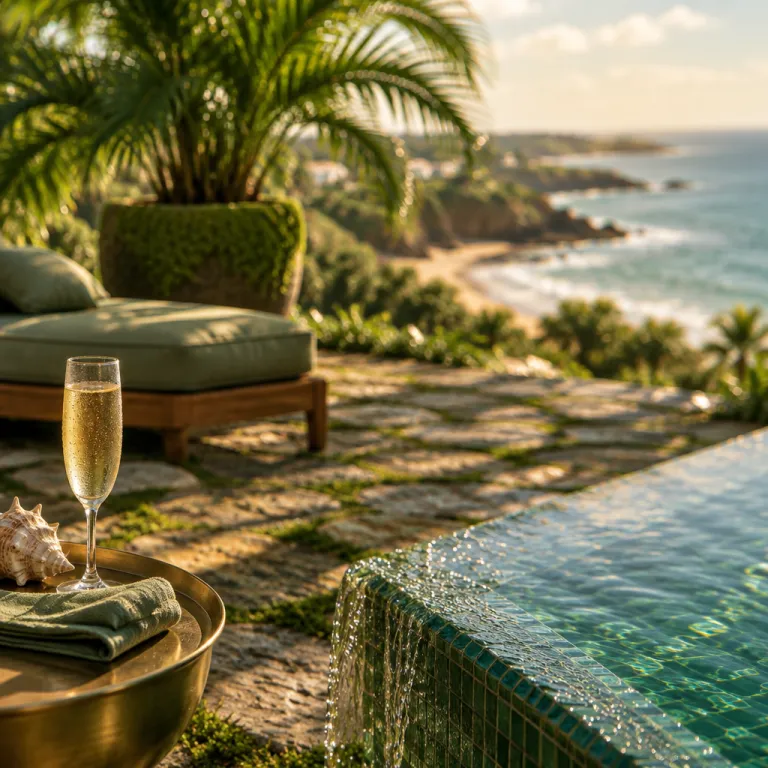
Senegal tourism for luxury travelers along the Atlantic west coast
Senegal tourism attracts discerning guests who want refined stays in West Africa. The country offers a rare mix of polished luxury hotels, authentic African culture, and easy access to scenic getaways along the Atlantic coast. Every city and island mentioned here can be reached within a reasonable travel time, which matters when you plan a short day trip or a longer stay.
In the capital city of Dakar, premium properties line the Corniche, giving guests sweeping views over the ocean and the distant island silhouettes. This coastal stretch has become the beating heart of Senegal’s high-end travel scene, where a luxury hotel booking website can curate stays that balance urban energy with quiet sea-facing suites. Many visitors use Dakar as their base for wider Senegal travel, combining business meetings in the city with weekend escapes to a nearby beach or wildlife reserve.
High-end hotels in Dakar often highlight their role as gateways to West Africa, not just to Senegal. Guests can arrange private transfers to the ferry for Gorée Island, sunset cruises on the Senegal River, or helicopter flights over a national park in the interior. For travelers comparing options, a detailed travel guide on upscale stays in Senegal helps them weigh the best place to stay in the city against time needed for each visit beyond Dakar.
Why Dakar anchors luxury stays in west African coastal cities
Dakar stands at the westernmost point of mainland Africa, which gives the city strategic air connections and short flight times from Europe. This position has turned Dakar into a natural hub for West African business, diplomacy, and high-end leisure travel. Luxury hotels respond with services tailored to guests who may spend only a day in the city yet still want curated access to the best scenic experiences.
Many travelers interested in Senegal tourism choose sea-view suites that overlook the island of Ngor or the distant outline of Gorée Island. From these vantage points, the African coastline appears both dramatic and serene, especially at sunset when the west-facing beaches glow. A premium booking platform can highlight which properties offer direct beach access, which ones sit closer to the historic colonial buildings downtown, and which hotels are best for quick transfers to the airport.
For travelers who want an urban sea-view retreat in Dakar, a detailed review of the Pullman Dakar Teranga on a specialized platform such as this urban sea view hotel guide can clarify room categories and service levels. Such content supports Senegal travel planning by explaining how to combine city meetings with a half-day visit to Gorée Island or a late afternoon walk along the Corniche beach. When a travel guide connects hotel features with nearby things Dakar offers, guests can better match their expectations with the reality of the city.
Scenic getaways from Dakar: islands, pink lakes, and coastal beaches
One of the strongest appeals of Senegal tourism lies in how easily guests can leave the city and reach a scenic place within a short time. From Dakar, a luxury hotel concierge can arrange private cars, boats, or even light aircraft to reach an island, a wildlife reserve, or a quiet beach resort. This flexibility allows travelers to enjoy both the energy of the African city and the calm of nature in a single day.
Gorée Island remains the most emblematic island near Dakar, and it is central to many visit Senegal itineraries. The island is a UNESCO World Heritage Site because of its role in the transatlantic slave trade, and its colonial buildings now house museums, galleries, and guesthouses. A premium travel guide will always recommend allowing enough time on Gorée Island to walk beyond the main House of Slaves, exploring quiet streets where local life continues behind pastel facades.
Another iconic stop for Senegal tourism is Lac Rose, also known as Lake Retba, located north east of Dakar near the Atlantic dunes. The lake’s changing pink hues, caused by algae and high salinity, create a striking contrast with the white sand and the blue ocean just beyond the dunes. Many luxury travelers combine a morning at Lac Rose with an afternoon at a nearby beach lodge, using private 4x4 transfers arranged through their hotel or a specialized Senegal travel platform that also highlights Senegal’s best outdoor adventures for families.
Planning day trips and multi day escapes along the west coast
When planning Senegal tourism experiences, it helps to think in terms of travel time from Dakar. A day trip to Gorée Island usually requires only a short ferry ride of about 20 minutes, leaving ample time to visit museums, enjoy a French-influenced lunch, and return to the city before evening. By contrast, a full day at Lac Rose or a more remote beach may involve longer drives of 60 to 90 minutes each way, so luxury travelers often prefer private vehicles with air conditioning and flexible schedules.
Premium hotel booking websites in Senegal can present suggested itineraries that combine several scenic places over two or three days. For example, guests might spend one day exploring Gorée Island and the colonial buildings of downtown Dakar, then another day at Lac Rose followed by a sunset ride along the beach. These curated routes help visitors understand how Senegal tourism connects cultural heritage, coastal landscapes, and modern African hospitality.
Families or couples who want quieter stays may choose small coastal towns south of Dakar, where the beach is wide and the pace slower. From these bases, it is still possible to visit Senegal’s capital for a day, then return to the calm of the oceanfront in the evening. A detailed travel guide that lists things Dakar offers, from markets to galleries, lets guests decide how often they want to leave their beach retreat for the city.
Saint Louis and the Senegal River: heritage, wetlands, and refined stays
Farther north, Senegal tourism takes on a different character in the historic city of Saint Louis. This former capital of French West Africa sits on an island in the Senegal River, linked to the mainland by an iron bridge. The city’s colonial buildings, narrow streets, and riverfront quays create an atmosphere that feels distinct from Dakar’s modern skyline.
Saint Louis is central to many Senegal travel itineraries that focus on culture and nature rather than beach-only stays. The island city is itself part of a UNESCO World Heritage Site, with carefully preserved facades and balconies that evoke its role in regional trade, including the darker chapters of the slave trade. Luxury and premium guesthouses here often occupy restored colonial buildings, offering river views and easy access to both the historic center and nearby wetlands.
From Saint Louis, travelers can reach the Djoudj National Bird Sanctuary, one of the most important bird reserves in West Africa. This wildlife reserve, often referred to simply as Djoudj National Park, lies along the Senegal River and hosts vast numbers of migratory birds, including pelicans and flamingos. A specialized Senegal tourism platform can help guests choose the best time of year to visit this national park, arrange private boat trips, and secure guides who understand both the local ecology and the needs of high-end travelers.
How luxury booking platforms frame Saint Louis within senegal tourism
For many visitors, Saint Louis offers a slower rhythm than Dakar, which suits multi-day stays focused on heritage and wildlife. A luxury hotel booking website can present Saint Louis as a key place within Senegal tourism, emphasizing its role in French colonial history and its proximity to the Djoudj National Bird Sanctuary. These platforms often highlight suites with balconies over the Senegal River, where guests can watch pirogues glide past at any time of day.
Because Saint Louis lies several hours north of Dakar, premium travelers usually plan at least two nights in the city. This allows enough time to walk the island’s streets, visit museums that explain the region’s role in West African trade, and take a full-day excursion to Djoudj National Park. When a travel guide clearly explains distances, road conditions, and seasonal wildlife patterns, guests can make informed decisions about how to integrate Saint Louis into their broader visit Senegal plans.
New high-end openings in Saint Louis and along the coast north of Dakar are gradually reshaping Senegal tourism. Industry observers track these developments through specialized reports such as those on new properties redrawing Senegal’s hotel map, which help travelers understand where the latest luxury investments are happening. For guests who value both heritage site proximity and modern comfort, such information is as important as any traditional travel guide.
Wildlife reserves, national parks, and bird sanctuaries for nature focused stays
Beyond the cities and coastal resorts, Senegal tourism also revolves around its network of national parks and wildlife reserves. These protected areas offer a different kind of luxury, where the main attraction is silence, space, and close contact with African wildlife. High-end lodges in or near these parks often provide private guides, tailored game drives, and carefully designed itineraries that respect both the environment and guest comfort.
The Djoudj National Bird Sanctuary near Saint Louis is one of the most famous examples, but it is not the only bird sanctuary in the country. Other wetlands and riverine zones along the Senegal River host significant birdlife, making them prime destinations for photographers and ornithologists. A well-structured travel guide on Senegal tourism will explain how these sites fit into broader West African migratory routes, and why certain times of year offer the best wildlife viewing.
In the south and east of Senegal, national parks protect savannahs, forests, and river valleys where larger wildlife species live. Luxury travelers interested in Senegal tourism can choose lodges that combine comfortable suites with guided walks, boat trips, and cultural encounters in nearby villages. When a premium booking website presents these options alongside coastal and city stays, guests can design multi-place itineraries that reflect the full ecological diversity of West Africa.
Balancing comfort and conservation in senegal tourism
High-end properties near wildlife reserves increasingly emphasize sustainability as part of their appeal. Guests who book through specialized Senegal travel platforms often ask how their stay supports conservation projects, local employment, and protection of the national bird species that draw visitors to these areas. Clear communication about such initiatives builds trust and aligns luxury travel with long-term environmental goals.
For example, some lodges near the Senegal River collaborate with local communities to manage boat access to sensitive bird sanctuary zones. This approach helps control visitor numbers at peak times of day, reducing disturbance to wildlife while still allowing high-quality viewing experiences. When a travel guide explains these measures, it shows how Senegal tourism can balance guest expectations with the realities of managing a national park or wildlife reserve.
Luxury booking websites can further support responsible Senegal tourism by highlighting properties that follow best practices in water use, waste management, and energy efficiency. They can also encourage guests to plan longer stays in each place, which reduces overall travel impact and allows deeper engagement with local guides and ecosystems. In this way, the most refined form of Senegal travel becomes one that values both comfort and conservation equally.
Cultural depth: Gorée, colonial heritage, and the memory of the slave trade
Any serious exploration of Senegal tourism must address the country’s role in the history of the slave trade. Gorée Island, just off Dakar, stands as one of the most powerful symbols of this past, and it is often the first heritage site visitors encounter. The island’s House of Slaves, with its Door of No Return, has become a focal point for reflection on centuries of human suffering and resilience.
Luxury travelers who visit Senegal increasingly seek meaningful cultural experiences alongside comfort and service. A thoughtful travel guide will recommend spending enough time on Gorée Island to engage with local historians, artists, and residents who keep the memory of the slave trade alive through exhibitions and performances. Beyond the main museum, the island’s narrow streets, small squares, and colonial buildings reveal layers of African, French, and West African influences.
Other cities such as Saint Louis also bear architectural traces of this complex history, with warehouses, administrative buildings, and riverfront quays that once served as nodes in regional trade networks. When Senegal tourism platforms describe these places, they help visitors understand how the country’s past shaped its present identity as a cultural crossroads in West Africa. This context enriches every day spent in the city, whether guests are walking along the Senegal River or attending a local music festival.
How premium booking sites present sensitive heritage within senegal tourism
Handling the topic of the slave trade requires care, accuracy, and respect, especially when framed within luxury travel. Responsible Senegal tourism platforms avoid sensationalism and instead provide clear information about museum opening times, recommended guides, and ways to support local cultural initiatives. They also encourage visitors to balance time spent at memorial sites with encounters that highlight contemporary African creativity and resilience.
For example, a travel guide might suggest pairing a morning visit to Gorée Island with an afternoon exploring Dakar’s art galleries or music venues. This approach situates the memory of the slave trade within a living cultural landscape, where local artists reinterpret history through painting, sculpture, and performance. Luxury hotels can support this by hosting exhibitions, commissioning works from local creators, or organizing private visits to studios in the city.
By presenting heritage sites as part of a broader narrative rather than isolated attractions, Senegal tourism platforms help guests engage more deeply with the country. Travelers come away with a richer understanding of how places like Gorée Island, Saint Louis, and Dakar’s colonial buildings connect across time and space. This depth of experience often becomes the most valued aspect of a high-end journey, surpassing even the comfort of the suites or the beauty of the beach.
Practical guidance for booking luxury and premium stays in Senegal
Planning a high-end trip within Senegal tourism involves more than choosing a hotel with a sea view. Travelers need to consider the best time to visit each region, the logistics of moving between city, island, and national park, and the level of service they expect at every place. A specialized luxury hotel booking website focused on Senegal can streamline these decisions by presenting curated options rather than overwhelming lists.
For Dakar, such platforms might categorize properties by neighborhood, from downtown business districts to quieter beach areas along the Corniche. They can also highlight which hotels are best for quick access to the ferry for Gorée Island, which ones sit near major cultural venues, and which offer easy transfers to the airport for regional West African flights. Clear descriptions of room types, spa facilities, and concierge services help guests align their expectations with what each city property can deliver.
Outside Dakar, booking platforms can group options by theme, such as beach retreats, heritage stays in Saint Louis, or wildlife-focused lodges near a national park or wildlife reserve. They can also provide sample itineraries that show how many days to allocate to each place, how to sequence visits to Lac Rose, Gorée Island, and the Senegal River, and what things Dakar offers that are worth a dedicated day. When Senegal tourism information is presented in this structured way, travelers can confidently design journeys that match their interests and pace.
Using travel guides and local expertise to enhance senegal tourism
Even the most detailed online travel guide cannot replace the value of local expertise on the ground. Luxury travelers benefit from working with concierges, private guides, and local tour designers who understand both the realities of West Africa and the expectations of high-end guests. These professionals can adjust plans in real time, suggest lesser-known places, and manage logistics when conditions change.
For example, a guide in Saint Louis might recommend an early morning departure for Djoudj National Bird Sanctuary to catch the best light and bird activity. In Dakar, a local expert could propose an evening circuit of things Dakar offers, from rooftop bars with city views to live music venues that showcase contemporary African sounds. Such tailored advice turns a standard Senegal travel plan into a personal narrative shaped by each day’s encounters.
When choosing a booking platform for Senegal tourism, travelers should look for signs of genuine local partnerships, transparent information about heritage site etiquette, and clear guidance on responsible wildlife viewing. These elements indicate that the platform treats Senegal not just as a destination in West Africa, but as a complex country whose cities, islands, rivers, and reserves deserve thoughtful engagement. In the end, the most rewarding luxury journeys are those where every place visited feels both carefully prepared and open to authentic, unscripted moments.
Key figures shaping luxury and premium senegal tourism
- According to the World Travel & Tourism Council (WTTC), travel and tourism contributed around 10 percent of Senegal’s total GDP in recent years, underlining how central Senegal tourism has become to the national economy. Readers can consult the WTTC country reports for the latest verified figures.
- Data published by the Senegalese Ministry of Tourism and Air Transport show that Dakar’s international airport handles well over two million passengers annually, which reinforces the city’s role as a primary gateway to West Africa for both business and leisure travelers.
- UNESCO reporting on visitor flows to World Heritage Sites indicates that locations linked to the slave trade, including Gorée Island, receive hundreds of thousands of visitors each year, showing how heritage tourism remains a major driver of Senegal travel demand.
- Conservation organizations monitoring the Djoudj National Bird Sanctuary estimate that more than three million migratory birds pass through the area each season, confirming its status as one of the most important bird sanctuaries in Africa and a key stop on the East Atlantic flyway.
- Regional hotel industry analyses highlight that the number of upscale and luxury rooms in Dakar and Saint Louis has grown steadily over the past decade, reflecting investor confidence in the long-term potential of Senegal tourism and the broader West African hospitality market.
FAQ about luxury and premium hotel booking in Senegal
What is the best time of year to plan luxury travel to Senegal ?
The most comfortable period for Senegal tourism generally runs from late autumn to early spring, when temperatures are milder and humidity is lower. During these months, conditions are ideal for city visits in Dakar, heritage walks on Gorée Island, and excursions to national parks or wildlife reserves. The hotter, wetter months can still be suitable for beach stays, but some inland areas may be less comfortable for full-day activities.
Which areas are most recommended for high end beach stays in Senegal ?
For luxury beach-focused Senegal tourism, many travelers choose the coastal zones around Dakar, the Petite Côte to the south, and selected stretches north toward Saint Louis. These areas offer a mix of upscale resorts, smaller premium properties, and easy access to both the city and nearby scenic places. When booking, it is worth checking how close each property lies to the beach itself and how long transfers take from the airport.
How many days should I plan for Dakar, Gorée Island, and Saint Louis ?
A balanced Senegal travel itinerary often allocates three to four days in Dakar, including a full day for Gorée Island, and at least two to three days in Saint Louis. This allows time to explore city neighborhoods, visit key heritage sites linked to the slave trade, and take a day trip to Djoudj National Bird Sanctuary if desired. Travelers with more time can add extra days for Lac Rose, additional beach stays, or visits to other national parks.
Are luxury hotels in Senegal suitable for families as well as couples ?
Many high-end properties in Senegal welcome families and offer connecting rooms, pools, and activities suitable for children. Some beach resorts and lodges near wildlife reserves provide guided excursions tailored to younger guests, making Senegal tourism appealing for multi-generational trips. When booking, families should review room configurations carefully and ask about child-friendly services, especially for longer stays.
How can I ensure my trip supports responsible and sustainable senegal tourism ?
Travelers can support responsible Senegal tourism by choosing hotels and lodges that employ local staff, respect environmental regulations, and contribute to conservation or community projects. It also helps to use certified guides at heritage sites and national parks, follow rules in bird sanctuaries and wildlife reserves, and buy crafts directly from local artisans. Asking booking platforms for information about sustainability practices is a practical first step toward more thoughtful Senegal travel.