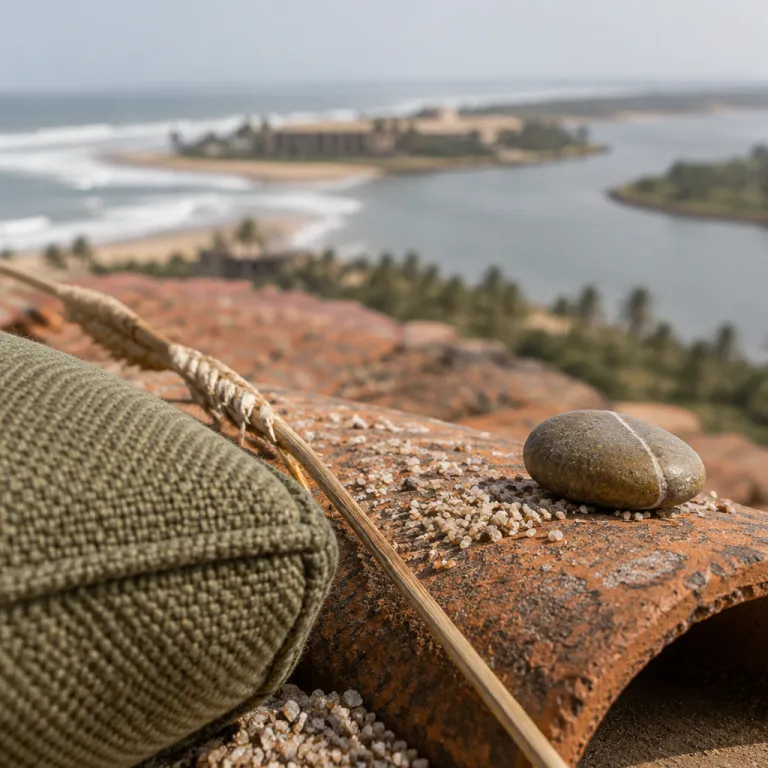
Senegal as a luxury destination in west Africa
Senegal stands out in west Africa as a stable country with a refined hospitality culture and a growing portfolio of premium hotels. The Senegalese government has made tourism a pillar of national development, positioning the republic as a high end gateway between west Africa, Europe, and the United States. This long term strategy is reshaping how travelers read the map of Africa and choose where to stay for health, relaxation, and scenic immersion.
The capital Dakar Senegal concentrates many of the country’s most polished luxury properties, yet the wider Senegal destination offers coastal retreats and river lodges that rival better known African locations. From the Atlantic islands off Dakar to the historic streets of Saint Louis on the Senegal River, premium hotels are redefining what an upscale Senegal escape can feel like. These stays combine French influenced elegance, contemporary African design, and attentive Senegalese service in a way that feels both cosmopolitan and rooted in place.
Senegal’s climate shapes the rhythm of luxury travel, with the dry season bringing clear skies and the wet season turning landscapes lush and photogenic. The west African trade winds cool the coast, while inland areas along the Senegal River and near the border with Guinea Bissau can feel warmer and more humid. In coastal hubs such as Dakar and Saly, average temperatures typically range between 24 and 30 degrees Celsius across the year, according to data from the Senegalese national meteorological service, creating conditions that favor open air lounges, shaded pools, and evening dining terraces.
Reading the seasons and rates for premium hotel bookings
Planning a luxury stay in Senegal means aligning your expectations with the west African climate and the hotel pricing curve. The dry season is popular with international visitors, so premium hotels in Dakar Senegal and along the Petite Côte often reach high occupancy and command elevated rates. Many travelers who read carefully about the climate change impacts on rainfall now look for shoulder season windows when the landscapes are greener and the beaches quieter.
For a detailed look at how off peak months affect prices and experiences, consult this guide to lower rates and lush landscapes in Senegal. During these periods, luxury properties across the country often offer added value, such as spa credits or complimentary excursions, while maintaining the same high standards of health and safety. This is especially true in Dakar, where the business driven Senegal economy usually keeps occupancy strong, but where a careful edit of dates can unlock attractive premium packages.
Coastal resorts south toward the border with Guinea Bissau, as well as river lodges near Saint Louis, respond differently to seasonal shifts in the west African climate. Some travelers prefer the slightly cooler months when the Atlantic breeze softens the heat, while others embrace the wetter weeks when the vegetation around the Senegal River turns intensely green. Either way, understanding how a few percent change in humidity or temperature can alter your comfort helps you choose the right region of Senegal and the right style of luxury hotel for your trip.
Scenic getaways beyond Dakar: where luxury meets landscape
Leaving Dakar Senegal opens a different dimension of luxury, where scenery becomes the main amenity and the hotel simply frames it. North of the capital, Saint Louis sits between the Atlantic Ocean and the Senegal River, offering premium stays in restored colonial mansions and contemporary waterfront properties. These hotels allow you to read the layered history of this west African port city while enjoying refined dining, curated art, and attentive Senegalese service.
South of Dakar, the Petite Côte and the Sine Saloum delta offer some of the most atmospheric scenic getaways in the country. Here, high end lodges and premium hotels are set among mangroves, sandbanks, and tidal channels, with suites that open directly onto the water or the beach. For a curated overview of where to stay in style across Senegal, including these coastal and river landscapes, explore this guide to scenic luxury getaways in Senegal.
In these regions, the climate and the tides dictate the rhythm of each day, from early morning boat trips to sunset horse rides along the shore. Many properties integrate local materials such as laterite blocks and thatch, reflecting both environmental sensitivity and a commitment to sustainable development in west Africa. When you choose these scenic getaways, you experience Senegal not only as a country on the map of Africa, but as a living landscape shaped by the Senegal River, the Atlantic, and the traditions of coastal Senegalese communities.
How politics, development, and climate shape luxury travel
Luxury and premium hotel development in Senegal does not exist in isolation from the country’s political and economic context. The republic has seen leadership from presidents Abdoulaye Wade, Macky Sall, and now Bassirou Diomaye Faye, each influencing how the Senegalese government approaches tourism, infrastructure, and international partnership. Under President Macky Sall, for example, major road and airport projects around Dakar Senegal improved access to coastal resorts and scenic regions, while the current president Bassirou Diomaye Faye is expected to refine priorities around social equity and sustainable growth.
Senegal’s role within west Africa and the wider African continent also shapes the profile of its luxury guests. As a member of the United Nations and a respected west African republic, the Senegal country hosts conferences, cultural events, and diplomatic missions that bring high end travelers from across Africa, Europe, and the United States. These visitors often combine business in Dakar with leisure stays along the Senegal River or on the coast, reinforcing the link between the Senegal economy, premium hospitality, and the health of local communities.
Climate change and the global energy transition are now central themes in national planning, with coastal erosion and rising temperatures affecting both infrastructure and hotel design. Many new properties in Senegal integrate solar energy, improved insulation, and water saving technologies, aligning with international expectations and local environmental realities. When you read about a hotel’s sustainability commitments, look for concrete measures such as on site solar arrays, greywater recycling, or verified certifications, and be wary of any false promises that do not match the visible design or operations on the ground.
French heritage, Senegalese culture, and the guest experience
The guest experience in Senegal’s luxury hotels is shaped by a subtle blend of French heritage and Senegalese culture. French remains widely spoken in Dakar and across the country, so you will often see bilingual signage, French inspired menus, and staff who move easily between French, English, and local languages. This Senegal French environment gives many travelers from Europe and the United States a sense of familiarity, while the deeper African and Senegalese influences keep the experience distinct.
Inside premium properties, you will notice how contemporary African art, textiles, and music reinterpret traditional motifs for a global audience. Many hotels commission Senegalese artists to create site specific works, turning lobbies and suites into curated galleries that reflect the diversity of west African creativity. This approach supports local development in the cultural sector and ensures that luxury in Senegal is not reduced to imported aesthetics or generic international design.
Culinary experiences also reveal the interplay between French technique and Senegalese flavors, from refined versions of thieboudienne to tasting menus that highlight ingredients from the Senegal River valley and the Atlantic coast. Wine lists may lean French, but bar programs increasingly feature African spirits and infusions, reflecting a broader shift in the Senegal economy toward valuing local production. When you read hotel descriptions, look for specific references to Senegalese producers, regional recipes, and partnerships with nearby communities, as these details signal a more authentic and responsible approach to luxury.
Responsible luxury: partnerships, community, and well being
High end travelers to Senegal are increasingly attentive to how their stays affect local communities, ecosystems, and long term development. Many of the most respected luxury hotels now build formal partnership programs with nearby villages, artisans, and conservation projects, ensuring that a meaningful percent of their revenue circulates within the local population. This model aligns with broader African debates about fair growth, climate resilience, and the social responsibilities of the private sector.
Health and well being also play a central role in the premium experience, from spa treatments using ingredients sourced in west Africa to wellness retreats that integrate yoga with guided walks through mangroves or along the Senegal River. Some properties collaborate with medical professionals or wellness experts to design programs that respect the local climate and the specific needs of international guests. For a deeper perspective on how community based stays can enhance both guest satisfaction and local benefits, see this analysis of travel that gives back in Senegal.
Responsible luxury in Senegal also intersects with national debates about the energy transition and climate change, as hotels adopt renewable energy, reduce plastic use, and design buildings that respond intelligently to the west African climate. When evaluating options across the country, look for transparent reporting on environmental initiatives, such as published energy savings or waste reduction targets, rather than marketing language that feels vague or false. The most forward looking properties in Senegal treat sustainability not as a trend, but as a core part of their identity and their long term partnership with the surrounding population.
Practical booking strategies for premium stays across Senegal
Securing the right luxury hotel in Senegal starts with clarifying your priorities around scenery, culture, and connectivity. If you need frequent flights and urban energy, Dakar Senegal offers premium towers and intimate high end addresses close to business districts, embassies, and cultural venues. Travelers focused on scenic immersion may prefer Saint Louis, the Sine Saloum delta, or the southern coast toward Guinea Bissau, where the pace slows and the landscape becomes the main attraction.
When you read hotel descriptions and guest reviews, pay attention to details about climate control, noise levels, and access to health services, especially if you are sensitive to heat or traveling with family. In west Africa, a few degrees of temperature difference or a more efficient ventilation system can significantly affect sleep quality and overall comfort. It is wise to edit your shortlist based on these practical factors, rather than relying solely on photos or star ratings that may not reflect the full reality of the property.
Finally, consider how national dynamics in the republic of Senegal, from political transitions between leaders such as Abdoulaye Wade, Macky Sall, and Bassirou Diomaye Faye to shifts in the Senegal economy, can influence infrastructure and service standards over time. The Senegalese government generally prioritizes stability and international partnership, which supports consistent quality in the top tier of hotels across the country. By combining this macro perspective with careful attention to location, climate, and community impact, you can choose a luxury stay in Senegal that aligns with your values and enhances your understanding of this west African nation.
Key figures shaping luxury travel in Senegal
- Tourism contributes around 10 percent of Senegal’s gross domestic product, according to estimates cited by the World Travel & Tourism Council, underscoring its strategic role in the national economy.
- Roughly half of Senegal’s population lives in urban areas, with a significant concentration in Dakar, which helps explain why many premium hotels cluster in and around the capital.
- The Senegal River basin supports millions of people across Senegal, Mauritania, and Mali, making river based tourism a crucial complement to coastal stays in west Africa.
- International organizations such as the United Nations and the World Bank have highlighted Senegal as one of the more stable investment destinations in west Africa, which has encouraged sustained development in the high end hospitality sector.
- Average annual temperatures in coastal Senegal typically range between 24 and 30 degrees Celsius, with the Atlantic breeze moderating the climate and making open air hotel designs viable for much of the year.
FAQ about luxury and premium hotel stays in Senegal
Which areas of Senegal are best for scenic luxury getaways ?
For scenic escapes, travelers often choose Saint Louis on the Senegal River, the Petite Côte south of Dakar, and the Sine Saloum delta. These regions combine high quality hotels with striking landscapes, from sandbanks and mangroves to historic riverfront streets. Each area offers a different balance of seclusion, cultural immersion, and access to transport hubs.
How does the climate in Senegal affect luxury hotel stays ?
Senegal has a tropical climate with a dry season and a wetter, greener season, and both can work well for premium travel. The dry months bring clear skies and easier road conditions, while the wetter months create lush scenery and sometimes lower hotel rates. Coastal areas benefit from Atlantic breezes, whereas inland regions can feel warmer and more humid.
Is Dakar the only place with true luxury hotels in Senegal ?
Dakar offers the widest range of luxury hotels, but it is not the only option. Saint Louis, the Petite Côte, and the Sine Saloum delta all host high end properties that focus on scenery and tranquility. Many travelers combine a few nights in Dakar with several days in one of these quieter regions.
How safe is Senegal for high end travelers ?
Senegal is generally considered one of the more stable countries in west Africa, with a strong tradition of political continuity and hospitality. Luxury hotels typically maintain robust security protocols and work closely with local authorities. As always, travelers should follow standard precautions, stay informed about local conditions, and use reputable transport providers.
What should I look for when choosing a responsible luxury hotel in Senegal ?
Focus on hotels that show clear partnerships with local communities, transparent environmental practices, and concrete contributions to regional development. Signs of seriousness include renewable energy use, water management systems, and support for Senegalese artisans and producers. Avoid properties that make broad sustainability claims without specific examples or measurable actions.